
State Farm’s $5 Billion Dividend: Who Qualifies, How Much Customers Could Get and What It Means
Important update: State Farm began issuing the one-time dividend on July 31, 2026. Payments are being distributed in waves and can take several months. The most important eligibility rule is having an eligible State Farm Mutual private-passenger auto policy in force at some point during January 1–December 31, 2025, with the payment meeting the applicable minimum threshold.
The State Farm $5 billion dividend is now moving from announcement to actual payments, putting a potentially meaningful amount of money back into the hands of millions of U.S. auto-insurance customers.
State Farm Mutual Automobile Insurance Company announced the record distribution after reporting stronger-than-expected underwriting performance in 2025. The insurer says the one-time dividend covers more than 49 million insured vehicles, with an average payment of about $100 per vehicle, although the actual amount varies by state and the premiums paid.
For customers, however, the headline $5 billion figure is only the beginning.
The questions that matter are much more practical: Do I qualify? How much could I receive? When will the money arrive? Do I have to apply? What if I switched insurers? Is this actually a refund? And what should I do if I never receive a payment?
Here is what current State Farm information and state insurance regulators say about the 2026 distribution.
Who Qualifies for the State Farm $5 Billion Dividend?
The first thing customers should understand is that this is not a payment for every person who currently has State Farm insurance.

The dividend is tied to qualifying State Farm Mutual private-passenger auto policies that were in force at some point between January 1 and December 31, 2025. State Farm’s official dividend portal says customers can qualify even if they are no longer State Farm customers today, provided they had an eligible policy during the qualifying period and the calculated dividend meets the applicable minimum processing threshold.
That distinction could be important for people who changed insurers in 2026.
For example, someone could have carried State Farm auto insurance throughout part or all of 2025, switched to another company early in 2026 and still qualify for the 2025-related dividend.
The payment is connected to the eligible 2025 policy period rather than simply being a reward for remaining a customer in 2026.
State-specific rules and policy classifications can also matter. Oklahoma’s insurance department, for example, said State Farm authorized the dividend for qualifying Private Passenger Auto Voluntary Preferred policies.
That means customers should not assume that every State Farm-branded auto policy automatically receives the same payment.
The safest way to determine individual eligibility is through State Farm’s official dividend information or by contacting the State Farm agent associated with the policy.
State Farm’s official dividend information
How Much Could State Farm Customers Receive?
The national headline is $5 billion, but individual payments will be considerably smaller.
State Farm estimates an average payment of approximately $100 per insured vehicle. The actual amount varies based on factors including the customer’s state and premiums paid.
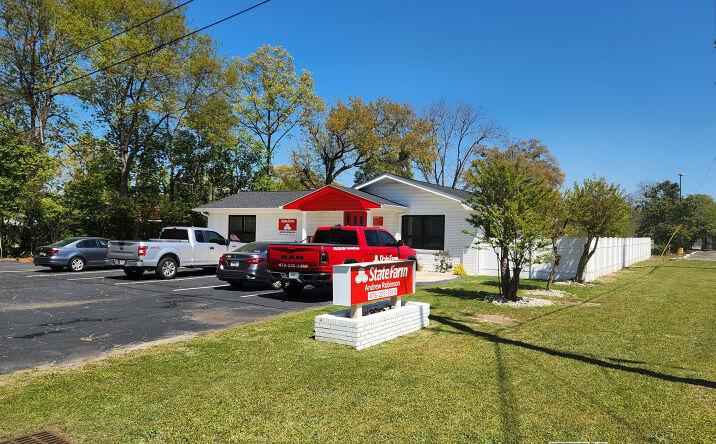
That means two customers in different states—or even customers with different premiums—may receive substantially different amounts.
State-level announcements demonstrate how wide that variation can be.
In Nevada, state regulators said the average payment was expected to be about $66 per insured vehicle.
In Mississippi, regulators reported an average of approximately $124 per vehicle.
In Louisiana, State Farm told the state’s insurance department that qualifying customers would receive an average of approximately $138 per vehicle, with about $136 million being distributed statewide.
The District of Columbia provides another example. The D.C. Department of Insurance said eligible policyholders would receive a dividend equal to 10% of the premium State Farm earned during the relevant period, with an average payment of approximately $173 per vehicle.
These differences illustrate why customers should not expect exactly $100.
The $100 figure is a national average, not a guaranteed payment.
What determines your payment?
The amount can depend on:
- The state where the policy was issued
- The qualifying premium
- The applicable dividend percentage
- The type of eligible policy
- The number of insured vehicles
- Whether the calculated amount meets the minimum threshold
Some state announcements have cited dividend percentages ranging from 4% to 10% of applicable premiums, depending on the state.
So a customer with multiple eligible vehicles may receive more than one payment.
When Will State Farm Dividend Payments Arrive?
This is one of the biggest questions because customers should not expect everyone to receive the money on the same day.
State Farm began issuing payments on July 31, 2026, according to the company’s newsroom. The distribution is being conducted in waves based on state and is expected to take several months because of the enormous number of eligible vehicles involved.
That means a customer who has not received a payment yet should not automatically assume they were rejected.
State Farm’s official dividend portal says eligible customers will be notified when their payment becomes available. People with an email address registered with State Farm can receive an email containing instructions for selecting a payment method. Customers without an email address on file are automatically sent a physical check by standard mail.

State Farm has also indicated that payments may be made using several electronic methods, depending on the customer’s notification and payment-selection process.
The distribution schedule can therefore look different from one household to another.
This is especially important for readers searching online because social-media posts claiming that “everyone gets their State Farm check this week” can be misleading.
There is no single nationwide payment date for every customer.
The rollout is occurring in waves.
Is It a Refund, Rebate or Dividend?
This is where the terminology can become confusing.
State Farm describes the payment as a policyholder dividend rather than a traditional insurance refund or premium credit.
That distinction exists because State Farm Mutual is a mutual insurance company. Its policyholders are members of the company, rather than the company being structured primarily around outside public shareholders.
State Farm said the dividend is possible because of its financial strength and stronger-than-expected underwriting performance in 2025.
The company reported strong 2025 financial results, including revenue of approximately $132.5 billion, compared with $123 billion in 2024, while net income increased from $5.3 billion to $12.9 billion.
The auto business benefited from improving conditions, including lower auto-repair costs and a decline in collision frequency.
Those developments helped State Farm both return money to qualifying policyholders and reduce premiums.
That is an important part of the broader story.
State Farm says it has reduced auto rates in 40 states, producing approximately $4.6 billion in annual premium savings for customers. The average reduction was roughly 10%, according to the company.
So eligible customers may be receiving two different forms of financial benefit:
Lower ongoing insurance premiums
plus
A one-time dividend related to the 2025 policy period.
The dividend should not be interpreted as a permanent reduction in future insurance costs.
It is a one-time distribution.
What Should You Do If You Haven’t Received Your Payment?
The first step is not to panic.
Because State Farm is distributing billions of dollars across more than 49 million insured vehicles, the process is being conducted over several months.
First, check the email address associated with your State Farm account.
Then check your physical mail if you did not have an email address registered with State Farm.
Customers should also be particularly careful about scams.
A large national payment program creates an obvious opportunity for fraudsters to send fake emails, text messages or websites claiming to help people “claim” their State Farm dividend.
State Farm’s official dividend portal says customers will be notified about their individual payment.
If you receive a suspicious message asking for sensitive banking information, passwords or unusual fees before releasing your payment, do not assume it is legitimate.
Instead, go directly to State Farm’s official resources or contact your agent.
State Farm’s dividend portal also provides a dedicated phone number, 1-888-808-9532, for dividend-related questions.
This is particularly useful for former customers.
Someone who had State Farm coverage during 2025 but switched companies in 2026 may not have the same online account relationship anymore, but qualifying former customers can still be eligible.
If your payment doesn’t arrive
A useful checklist is:
Check your email.
Look for a legitimate State Farm dividend notification.
Check your mailbox.
Customers without a registered email address may receive a physical check.
Confirm your 2025 policy history.
Make sure you actually had an eligible State Farm Mutual auto policy during 2025.
Check whether you had multiple vehicles.
Eligible vehicles may generate separate dividend amounts.
Contact your State Farm agent.
Your agent can help verify policy information.
Use official State Farm dividend resources.
Avoid clicking unsolicited links claiming to release your payment.
What This Means for U.S. Drivers and the Insurance Market
What this means for you: The $5 billion dividend is more than a headline about one insurer sending checks.
It reflects an unusual shift in the economics of the U.S. auto-insurance market.
Auto insurance costs surged during the inflationary period as repair costs, replacement parts, medical expenses and other claims-related expenses increased. Insurers subsequently raised premiums to reflect those higher costs.
Now some of those pressures are easing.
State Farm says declining repair costs and fewer collisions contributed to stronger underwriting performance and enabled the company to reduce rates in 40 states.
The dividend effectively allows eligible customers to share in some of the financial improvement from the company’s 2025 auto business.
But customers should not interpret the payment as a promise that auto insurance premiums will continue falling.
Insurance remains highly dependent on claims, repair costs, weather events, litigation, accident frequency and regulatory conditions.
Investor takeaway: State Farm’s dividend also provides an interesting case study in how mutual insurers operate.
A publicly traded insurer may return excess capital through stock buybacks or dividends to shareholders.
A mutual insurer can instead return value directly to its policyholders.
State Farm’s $5 billion distribution is therefore a direct example of the economic difference between a mutual insurance structure and a conventional publicly traded insurance company.
The company’s decision also suggests that management believes it can return substantial capital while maintaining enough financial strength to pay future claims and operate the business.
That balance is critical.
An insurer cannot simply maximize short-term distributions. It must maintain the capital necessary to meet policyholder obligations when major losses occur.
Future outlook: The biggest question is whether the favorable conditions behind the dividend continue.
If auto repair costs remain manageable, collision frequency stays relatively low and underwriting profitability remains strong, insurers could have more room to reduce premiums or return capital.
For consumers, that would be potentially more important than a single $100 payment.
A recurring reduction in insurance premiums can save a household considerably more money over several years than a one-time dividend.
State Farm’s own announcement says its recent rate reductions across 40 states amount to approximately $4.6 billion in annual premium savings, in addition to the $5 billion one-time dividend.
That creates a useful way for consumers to think about the announcement.
The dividend is the immediate benefit.
Lower premiums are potentially the longer-term benefit.
The two should not be confused.
For eligible policyholders, the immediate action is relatively simple: monitor official State Farm communications, confirm your 2025 policy information and wait for the payment wave applicable to your state.
For people who have not received anything yet, the most important point is that the distribution is still ongoing.
State Farm says the payments will take several months to process across more than 49 million vehicles.
And for people who switched insurance companies in 2026, don’t automatically assume you’re excluded.
If you had an eligible State Farm Mutual auto policy during the 2025 qualifying period, you may still be entitled to a dividend even if State Farm is no longer your insurer.
The $5 billion figure is extraordinary, but the most useful part of this story for consumers is understanding how the money is actually allocated.
There is no universal $100 check.
There is no requirement that every current State Farm customer qualify.
There is no single payment date for the entire country.
And customers should not need to pay a third party to “unlock” their dividend.
The legitimate process is being handled through State Farm and its dividend administrator.
Ultimately, the State Farm dividend demonstrates how changes in insurance profitability can flow back to consumers.
For qualifying policyholders, the 2026 payment could provide a welcome financial boost at a time when many American households are still dealing with high transportation and insurance expenses.
But the larger financial story may be the industry’s changing cost environment.
If lower repair costs, fewer collisions and stronger underwriting continue, consumers could see further pressure on auto-insurance premiums.
For now, the best strategy for State Farm customers is simple: check your eligibility, watch for your official notification, verify the payment source and don’t confuse the one-time dividend with a permanent premium reduction.
Subscribe to trusted news sites like USnewsSphere.com for continuous updates.