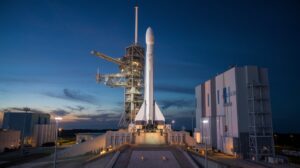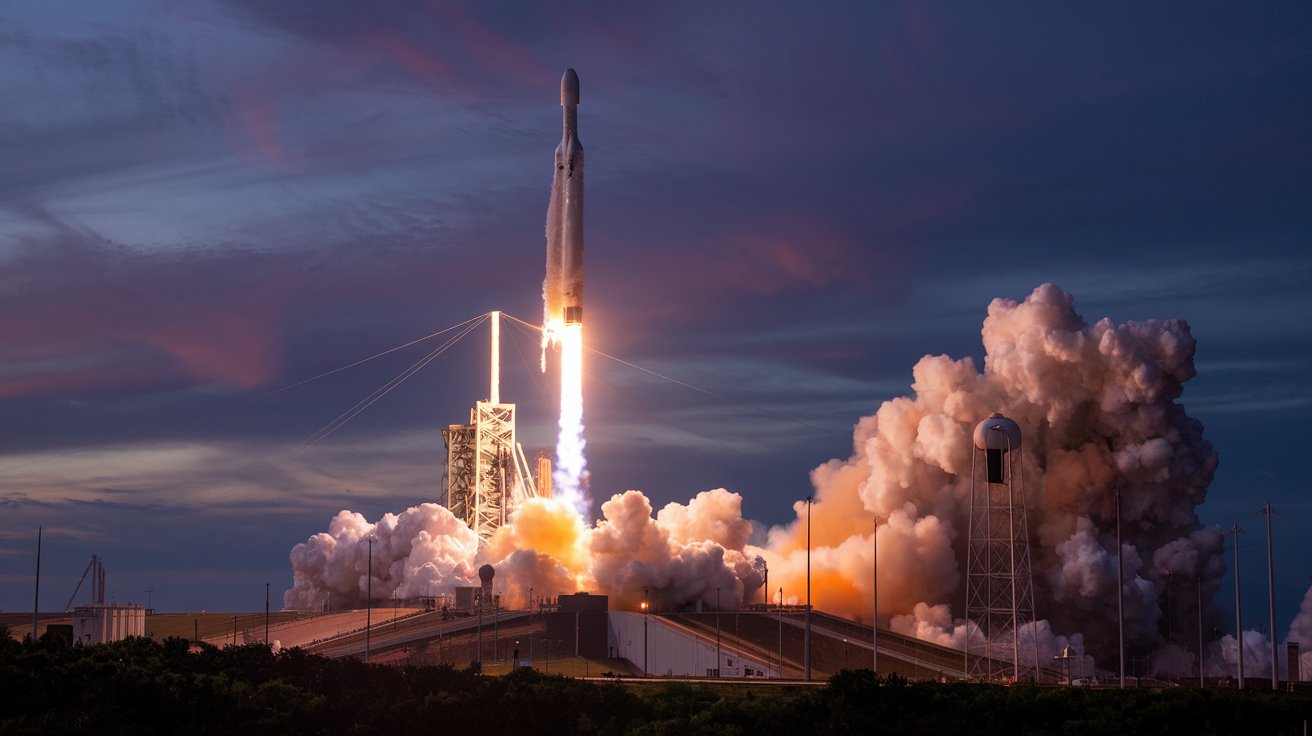
SpaceX Evening Launch Expected to Create Sonic Boom From Booster
As SpaceX continues to push the boundaries of aerospace technology, anticipation mounts for its upcoming evening launch scheduled on February 3, 2025. Dubbed a significant event in the world of commercial space travel, this launch is not just about sending payloads into orbit but will also create a remarkable auditory phenomenon: a sonic boom. In this blog post, we’ll explore what to expect from this launch, the science behind sonic booms, and the exciting implications for the future of space exploration.
The Countdown to Launch
The SpaceX launch on February 3, 2025, is set to take place from Cape Canaveral, Florida. The mission will utilize the Falcon 9 rocket, known for its reusability and reliability. The timing of this event is particularly interesting as evening launches create a unique visual experience accompanied by the potential for an auditory spectacle.
- Launch Time: Scheduled for late afternoon, with the booster landing expected shortly after.
- Location: Cape Canaveral, Florida, a well-known hub for space exploration and launches.
- Rocket Type: Falcon 9, a two-stage rocket designed by SpaceX for the reliable and safe transport of satellites and the Dragon spacecraft.
The Booster’s Role
A key aspect of SpaceX’s operational efficiency is its practice of recovering the first stage of rockets after launch. With each successful recovery, the company reduces costs and environmental impact. During the evening mission, as the Falcon 9 booster returns to land, it will travel at supersonic speeds, resulting in the expected sonic boom. This aspect raises several questions—what exactly is a sonic boom, and how does it occur?
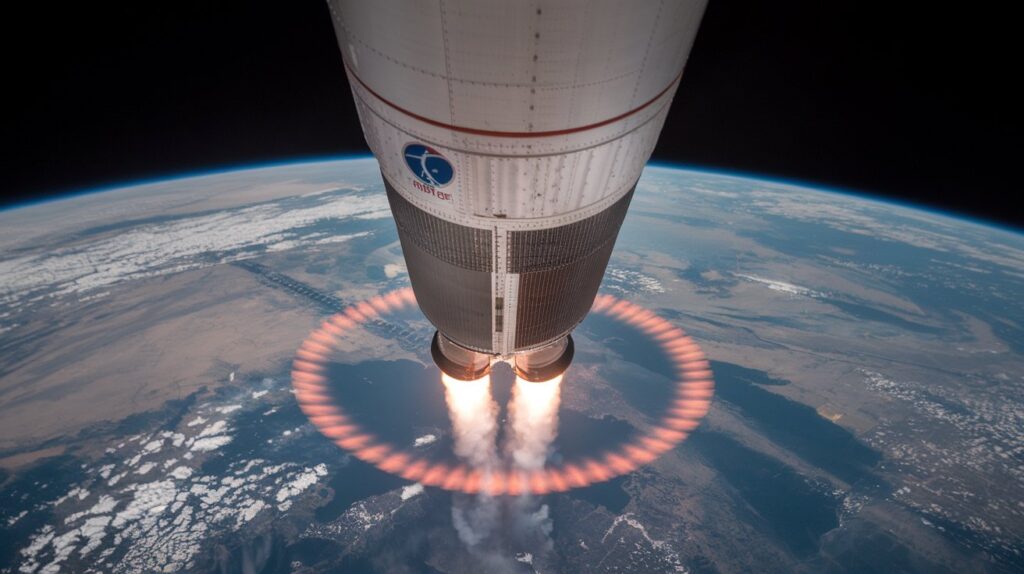
Understanding Sonic Booms
A sonic boom is the result of an object traveling through the air at a speed greater than the speed of sound, generally considered to be about 343 meters per second (1,125 feet per second) or Mach 1 at sea level. Here’s how it works:
- As an object travels faster than sound, it compresses the sound waves in front of it, creating a high-pressure region.
- When the object passes a point, the compressed waves release simultaneously, creating a shockwave that is heard on the ground as a loud boom.
The space industry has a unique relationship with sonic booms. These booms are expected during missions that involve re-entering the atmosphere and landing back on Earth. SpaceX anticipates that residents around Cape Canaveral will experience this phenomenon as the Falcon 9 booster descends following its successful launch.
Public Reaction and Safety Measures
The sonic boom from the Falcon 9 booster might be startling for those near the launch site. Residents are often advised ahead of time about potential booms during evening launches. SpaceX and local authorities work closely to ensure safety standards are upheld, and that the public is well-informed. Here are some important points regarding safety measures:
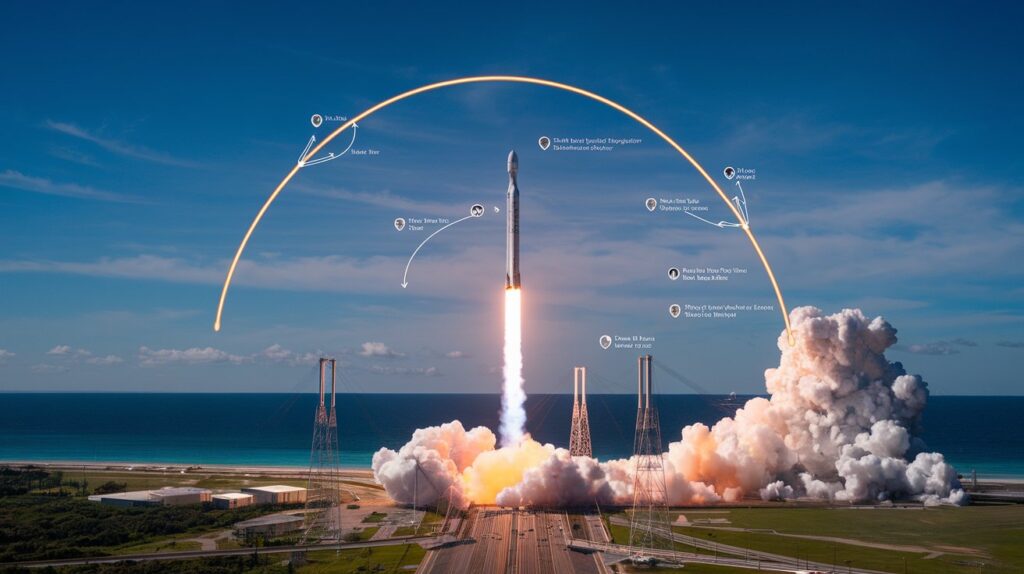
- Advance Notification: The public and local communities receive prior alerts about the expected sonic boom.
- Monitoring: SpaceX ensures proper monitoring of the flight path to mitigate any possible risks associated with the landing.
- Emergency Preparedness: Local emergency services are on alert during the launch window.
The Science of Sound and Its Impact
While sonic booms are a natural byproduct of high-speed aerospace travel, their effects can have considerable impact. Concerns over noise pollution and disturbances in wildlife are often raised, prompting discussions on balancing innovation with environmental stewardship.
Impacts of Sonic Booms
- Human Perception: The suddenness of a sonic boom can be shocking and alarming, driving some residents to express their concerns to local authorities.
- Environmental Considerations: Sonic booms can disrupt local ecosystems, particularly in sensitive areas. SpaceX is committed to minimizing these effects.
- Technological Improvements: Ongoing research into the reduction of sonic boom intensity could play a role in future aerospace advancements.
What’s Next for SpaceX and Space Exploration?
As SpaceX continues to demonstrate its capabilities through launches like the one on February 3, 2025, the thrilling combination of cutting-edge technology and the power of nature captivates public interest. The sonic boom phenomenon serves as a reminder of the advancements humanity has made in aerospace travel and the challenges that still lie ahead.
- Future Missions: SpaceX has numerous launches planned for the coming months and years, each with their unique scientific missions and engineering challenges.
- Community Engagement: Continuing dialogue with local communities helps foster understanding and support for space endeavors.
- Sustainable Practices: As space exploration evolves, the emphasis on minimizing environmental impact remains a crucial focus.
Conclusion
The upcoming SpaceX evening launch is much more than a routine mission; it is an event that illustrates the intersection of science, technology, and human curiosity. The anticipation of a sonic boom from the returning Falcon 9 booster highlights the exciting—although sometimes disruptive—nature of modern space missions. As we look forward to February 3, 2025, we can celebrate not only the advancements in aerospace technology but also the enduring awe that space exploration inspires within us all. [USnewsSphere.com]
-
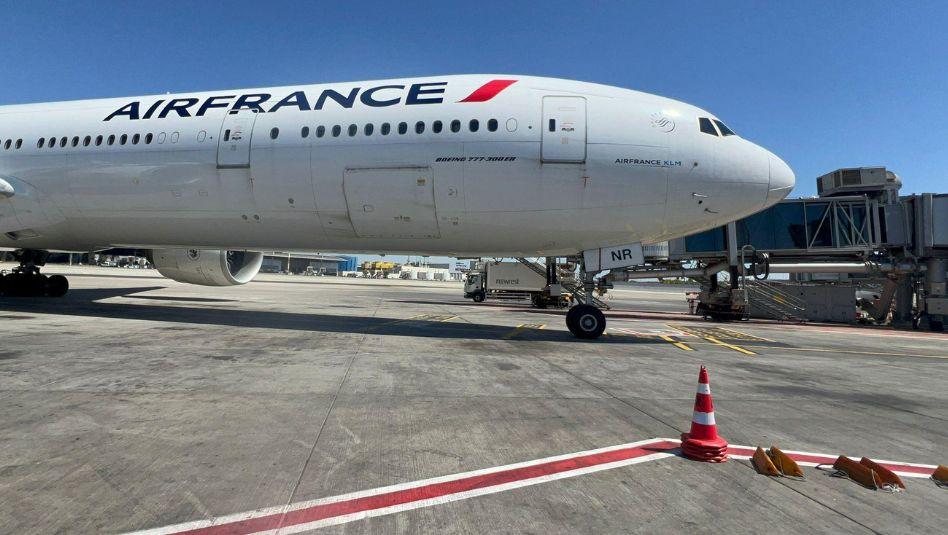
Air France Bans Pakistani Pilots on Israel Flights: What Happened?
Sharing articles Facebook Twitter Pinterest LinkedIn Air France bans Pakistani pilots from operating flights to and from Israel under reported Israeli aviation restrictions that have triggered a wider debate about airline security, nationality and international law. The development has drawn international attention following an alleged cockpit attack aboard a flydubai flight in September 2026, raising
-

Putin’s NATO Warning: Why Europe Is Watching Russia’s Next Move
Putin NATO warning has once again become a major subject of international security discussions as tensions between Moscow and Western governments continue to shape the future of Europe. Russian President Vladimir Putin has repeatedly warned that certain Western military decisions could draw NATO countries into a direct confrontation with Russia. These statements have raised important
-

India, Russia, USA and China: The Sovereignty Debate Explained
India, Russia, USA and China are at the centre of an increasingly important debate about national sovereignty, strategic independence, and the changing balance of global power. A widely discussed geopolitical argument suggests that these four countries possess a level of independence that allows them to make major international decisions without constantly seeking approval from stronger