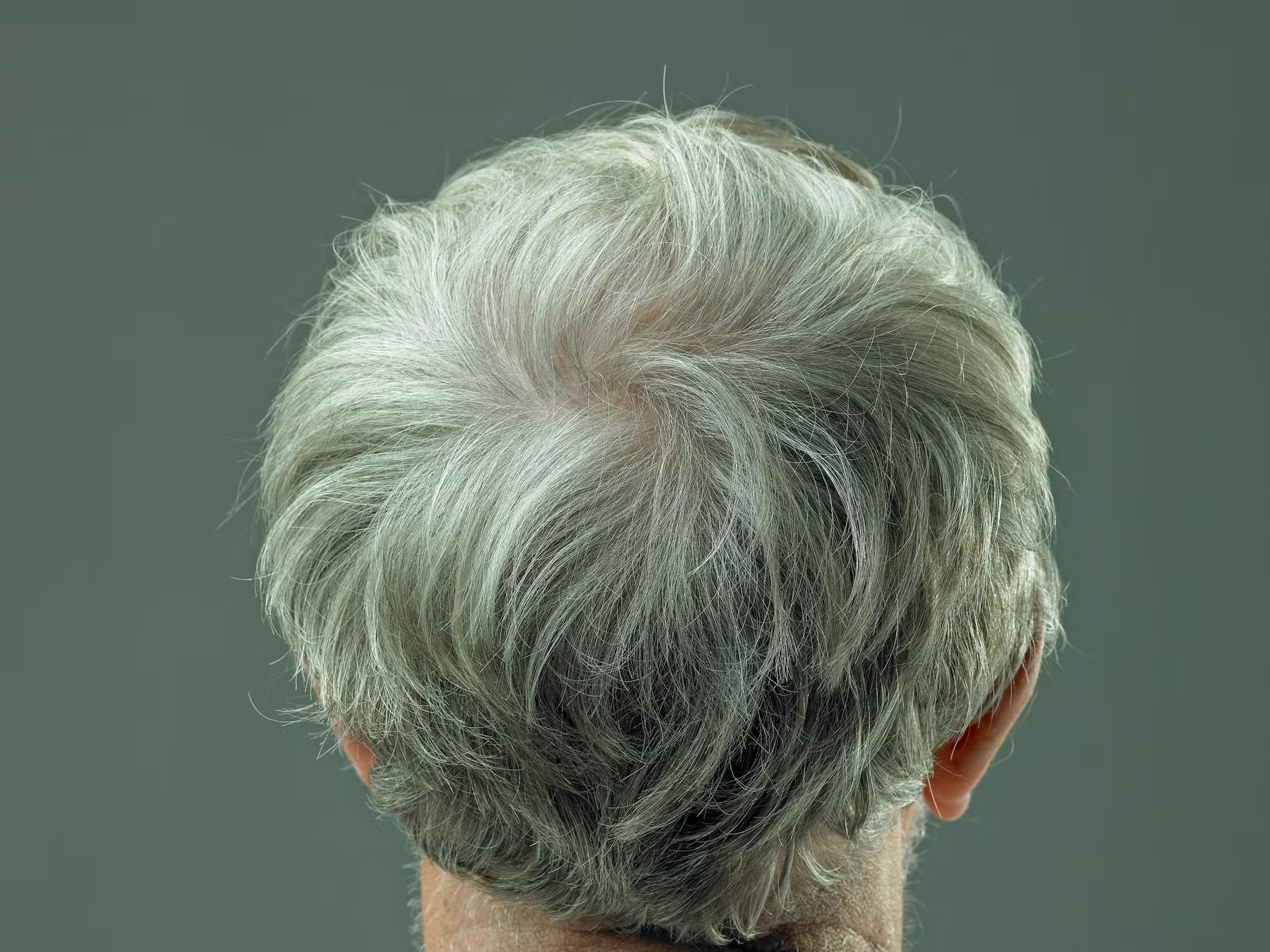
Gray hair may not be permanent after all — groundbreaking new research shows that the process of hair turning gray could potentially be reversed under the right conditions. Scientists now believe that the loss of natural hair color isn’t just an inevitable part of aging but is driven by changes in how pigment-producing cells behave inside the hair follicle. If these cells can be encouraged to function again, natural pigmentation might return. Why this matters now: experts say this discovery unlocks a real path for future therapies that might restore color naturally rather than just cover it up with dyes.
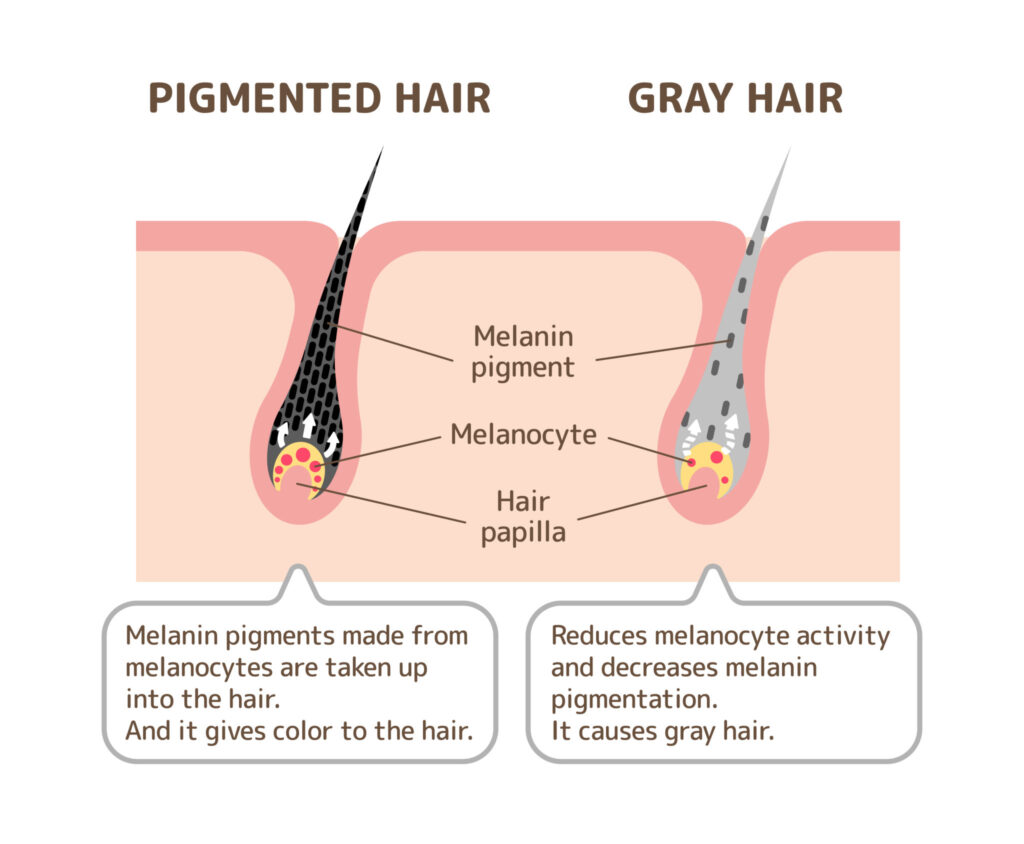
Hair turns gray when the pigment that gives your hair its color — melanin — stops being added during new hair growth. Research shows this happens not because hair “ages” in a simple way, but because melanocyte stem cells get stuck and lose their ability to produce and deliver pigment. Scientists say that if those cells can be “unstuck” and regain normal function, the hair could regain its color.
Understanding What Causes Gray Hair at the Cellular Level
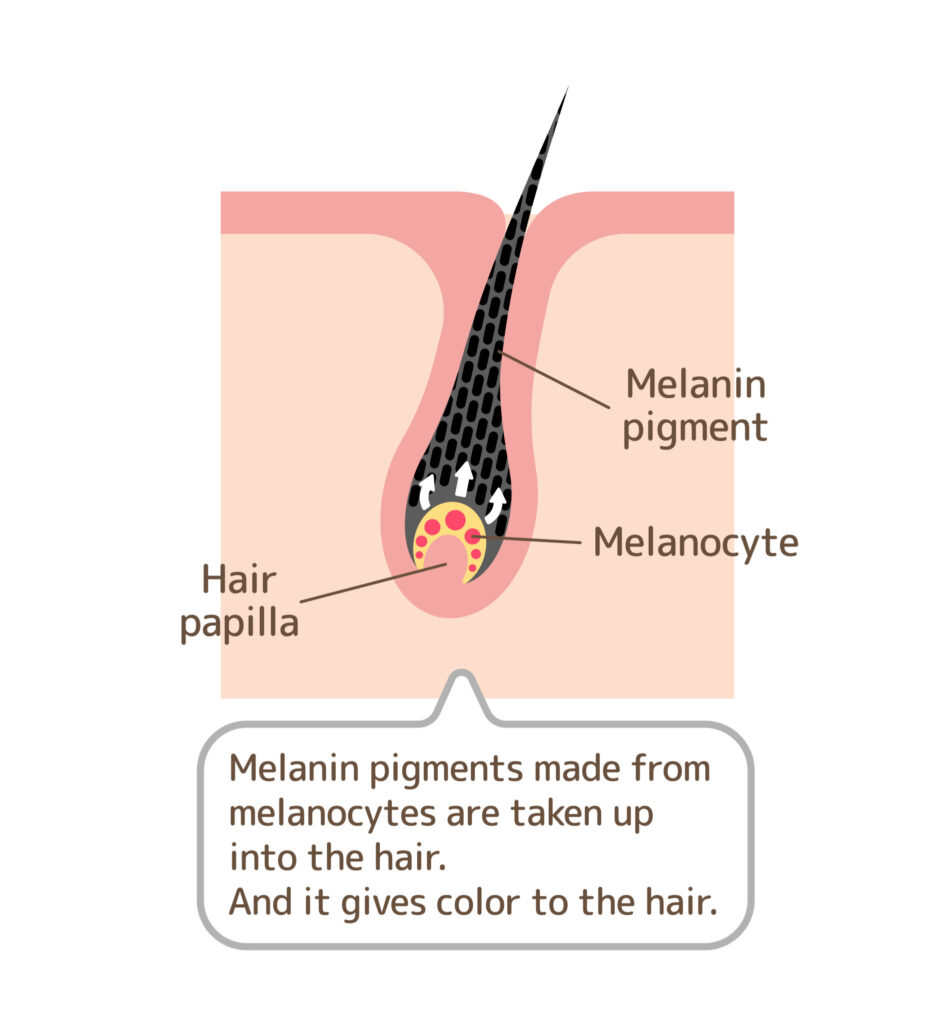
The root of hair color lies in specialized cells called melanocytes, which live deep inside hair follicles. These cells are created by “melanocyte stem cells” (McSCs) that are supposed to move into the growing hair and begin producing pigment. Proper movement and timing are key.
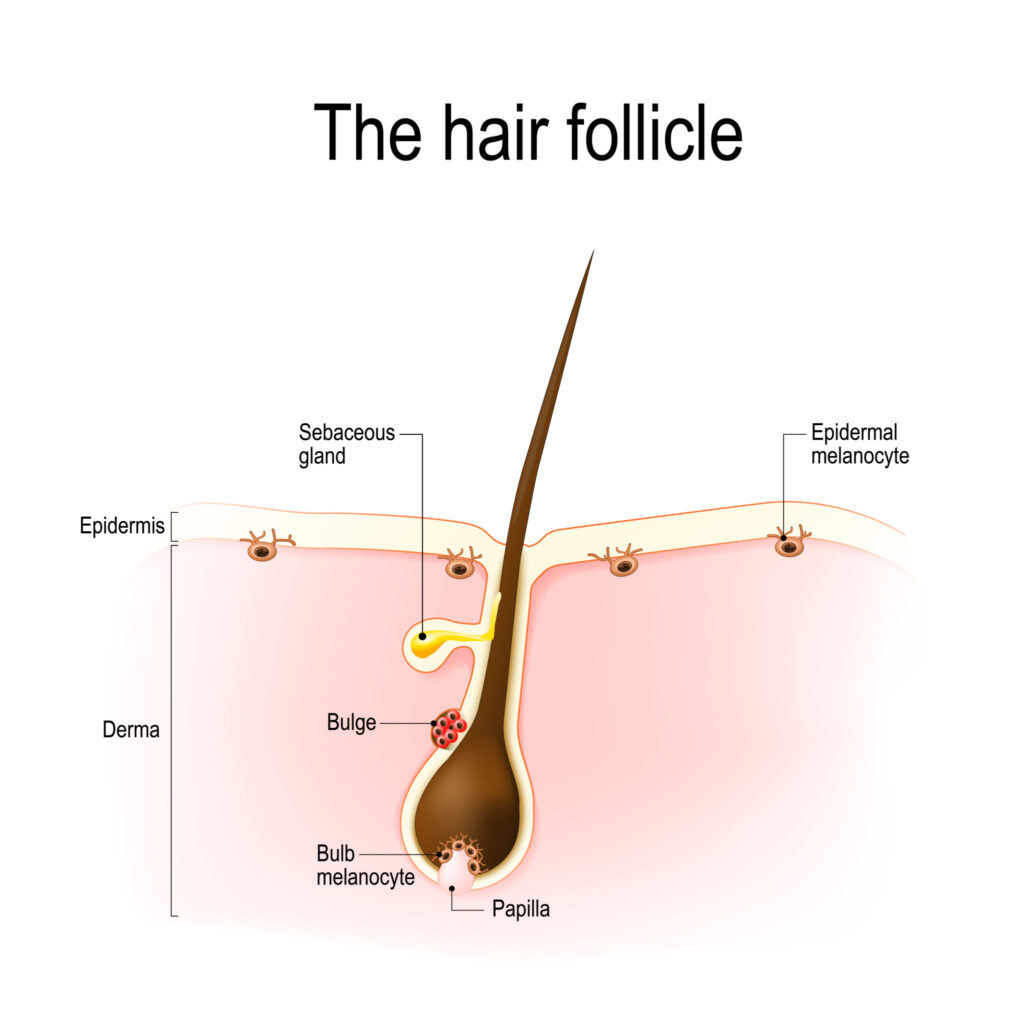
With age and repeated hair growth cycles, many McSCs get trapped in a part of the follicle called the bulge rather than migrating where they need to be. When they don’t reach the pigment-making area, hair grows out gray. This new understanding shifts the scientific view from seeing gray hair as permanently lost pigment to thinking of it as a mobility problem for stem cells.
Notably, studies of human hair also show that some gray hairs have naturally regained color, suggesting that temporary repigmentation occurs and that structures in hair follicles may allow reversibility under certain circumstances.
What the Latest Science Really Found
A major study led by researchers at New York University’s Grossman School of Medicine found that gray hair results when melanocyte stem cells no longer move properly between key hair follicle compartments. When those cells aren’t in the right place at the right time during hair growth, pigment isn’t added, and hair becomes gray — even though the strand still grows normally.
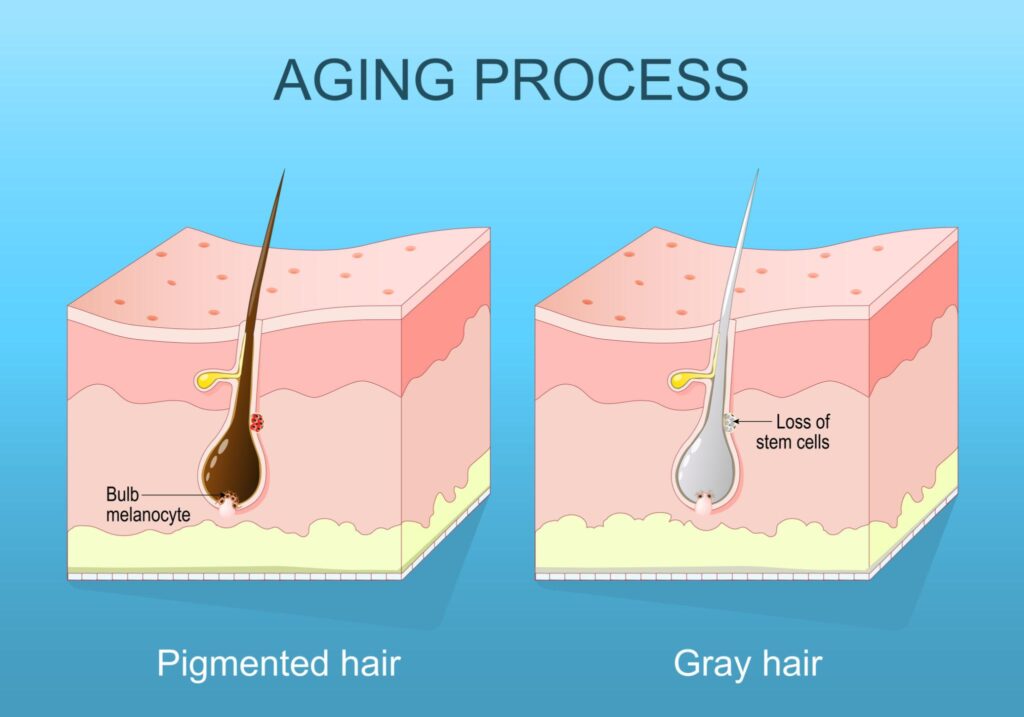
What makes this exciting is that the study also found that these cells don’t die right away — they simply lose flexibility and mobility. Because of that, restoring movement could theoretically restore pigment production. The scientists behind the research are now planning follow-up work to find ways to re-trigger the mobility of these stem cells.
When Gray Hair Might (or Might Not) Be Reversible
The story isn’t simple: not all gray hair may be “fixable.” Experts point out several factors that influence whether repigmentation is possible:
Potentially reversible cases
• Stress-related graying: Some studies show hair that went gray during periods of high stress may regain pigment when stress is reduced, or cells are still present.
• Early pigment cell dysfunction: If melanocyte stem cells are still present and not depleted, there might be a window in which interventions could work.
Less reversible situations
• Age-related depletion: As we grow older, the pool of melanocyte stem cells declines. Once those stem cells are gone, the ability to produce new pigment is lost, making reversal much harder or impossible.
• Genetic or autoimmune conditions: Certain disorders that destroy or permanently disable the cells involved likely cannot be fixed with pigment-restoring therapies.
This means that timing matters — the earlier the intervention, the more likely pigment can come back. Once McSCs are fully depleted, color restoration may not be possible.
Why This Discovery Could Transform Hair Care
Right now, most options for addressing gray hair are cosmetic — hair dyes, toners, and color treatments. But this research points to a science-driven future where treatments might restore your hair’s natural color, not just cover gray. Scientists hope they can one day create therapies that safely encourage melanocyte stem cells to move to their proper spots and resume pigment production.
This could open a new field in dermatology and hair science, bringing pigment restoration products that blend medical research with everyday hair care. The discovery also inspires new questions, such as whether topical treatments, drugs, or even lifestyle changes could support melanocyte stem cell function in humans.
What This Means for You and the Future
Though no human medicine exists yet to reverse gray hair permanently, this research refocuses the conversation — from accepting gray hair as inevitable to thinking of it as potentially treatable. It also encourages deeper exploration into aging, stem cell biology, and hair follicle dynamics.
Hair color is more than cosmetic; for many, gray hair impacts confidence, appearance, and self-image. A future where gray hair can be reversed or slowed without harsh chemicals would be a major advance for millions around the world. Advances in understanding hair stem cell behavior could also cross over into research on other age-related changes in the body.
Subscribe to trusted news sites like USnewsSphere.com for continuous updates.