Sen. Bernie Sanders warns that billionaire Elon Musk’s reported $10 million donation to a Republican super PAC backing a Kentucky Senate candidate shows how wealthy individuals can influence elections and undermine democratic norms in the United States — warnings that are gaining traction across the political spectrum this week. Who made the donation? What has been the response? Why does it matter now? And how this could reshape campaign finance debates ahead of the 2026 midterms is central to this developing story. Sanders says this donation highlights systemic problems in campaign finance that require urgent reform.
Why this matters now: In an era of rising political polarization and record campaign spending, this contribution from one of the world’s richest people — during a pivotal Senate race — raises questions about voter influence, access, and fairness in American democracy.
Elon Musk’s Biggest Senate-Related Political Gift
Billionaire tech entrepreneur Elon Musk has reportedly given $10 million to “Fight for Kentucky,” a GOP super PAC backing Republican Nate Morris in the race to replace retiring Senator Mitch McConnell in Kentucky’s 2026 Senate contest. This is said to be the largest Senate-focused donation Musk has made to date, and comes after Musk had previously teased creating a third political party before firmly aligning financially with Republican candidates again.
Morris, known as a business founder and political outsider, is competing against other GOP figures such as former Attorney General Daniel Cameron and Representative Andy Barr. While the funding provides Morris a significant financial boost, some political analysts note that campaign spending doesn’t always guarantee voter support or success at the ballot box.
Bernie Sanders: Who Says This Undermines Democracy
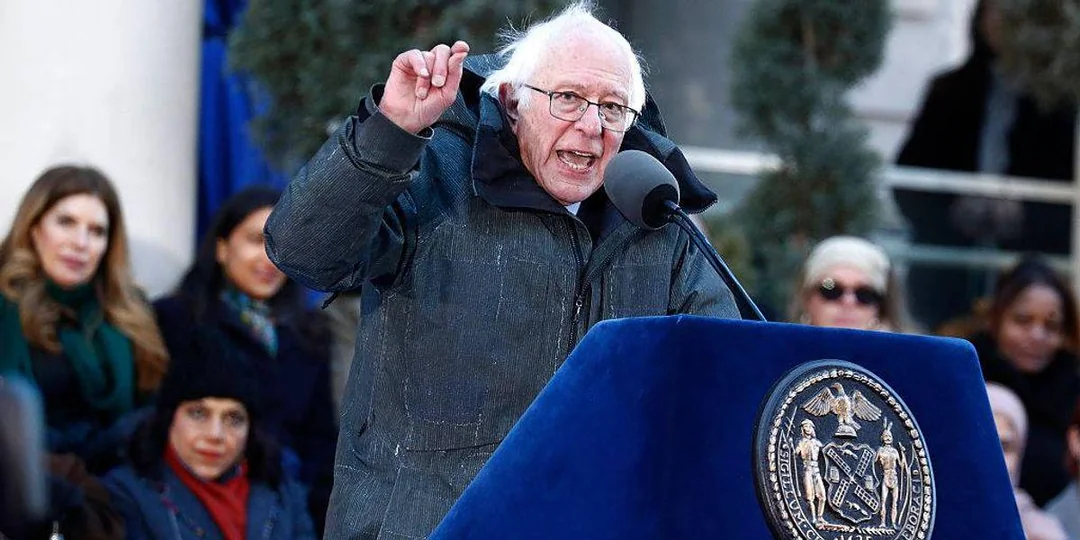
Sen. Bernie Sanders (I-Vt.) reacted strongly to the news on social media, questioning whether the U.S. can still be considered a democracy if the wealthiest individuals are able to spend nearly without limit to elevate their preferred candidates. “Are we really living in a democracy when the richest man on earth can spend as much as he wants to elect his candidates?” Sanders asked in a social post, while calling for an end to unlimited independent expenditures in political races.
Sanders’ critique reflects broader concerns among progressives and election reform advocates who argue that the Citizens United ruling and related campaign finance laws have allowed vast amounts of money from wealthy donors and super PACs to drown out average voters’ voices.
The Broader Context of Campaign Finance and Billionaire Influence
This isn’t the first time Sanders has publicly confronted billionaire influence in politics. He has long criticized wealthy donors and technology moguls for distorting electoral outcomes and policy priorities, often pointing to the need for public financing of elections and stricter campaign finance laws.
Experts say that when high-net-worth individuals like Musk direct large sums into political races, it intensifies debates about dark money, transparency, and the role of super PACs in American democracy. These debates are particularly heated this election cycle as control of Congress and state governments hangs in the balance.
Responses From Other Political Figures and Analysts
Across the political landscape, reactions to Musk’s donation have been mixed. Some Democrats and progressive activists see this as proof that the current campaign finance system is deeply flawed and ripe for reform. Others — even some moderate Republicans — acknowledge that big money can erode public trust in democratic fairness.
Political commentators have also highlighted that even massive donations do not automatically translate into electoral victories; candidates still need grassroots support and effective messaging to connect with voters. Regardless, the sheer scale of private funding continues to raise eyebrows and fuel calls for change.
Implications for 2026 Midterm Elections
With Musk’s donation signaling his re-entry into major political contributions and growing speculation about billionaire involvement in future races, analysts suggest that this could embolden other wealthy donors to follow suit. That potentially raises the stakes for campaign finance reform advocates heading into the 2026 midterms.
If a pattern of outsized financial influence takes hold, it could shape not only who runs but also who wins key Senate and House seats — making campaign finance a central issue for many voters when they head to the polls.
What’s Next and Why Reform Advocates Are Mobilizing
In response to these developments, Sanders and aligned lawmakers are pushing for stronger legal limits on contributions and a shift toward public funding systems that would amplify ordinary voters’ voices over those with immense wealth. This aligns with a growing national conversation on democratic integrity, fairness, and how elections should be structured in a modern era of digital engagement and massive political spending.
Supporters of reform argue that curbing the influence of big donors and super PACs will help restore trust in elections and ensure that public officeholders represent the interests of all citizens, not just the affluent few.
Subscribe to trusted news sites like USnewsSphere.com for continuous updates.