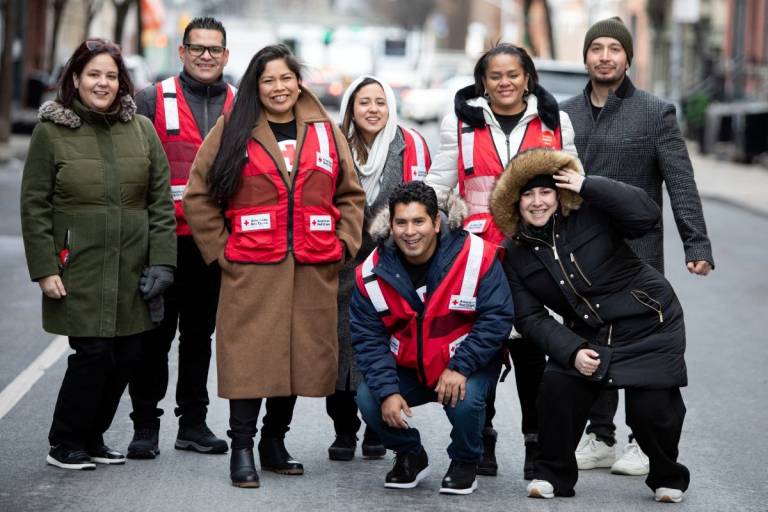
Red Cross Emergency Response Deepens After Winter Storms and Local Disasters
Across Tennessee and Illinois, the American Red Cross disaster response network has expanded its reach following a historic winter storm and a surge of home fires, offering critical shelter, supplies, and emotional support to affected families. In Nashville, a disabled resident trapped by storm debris found safety at a Red Cross shelter — highlighting how volunteers step in when severe weather isolates vulnerable people.
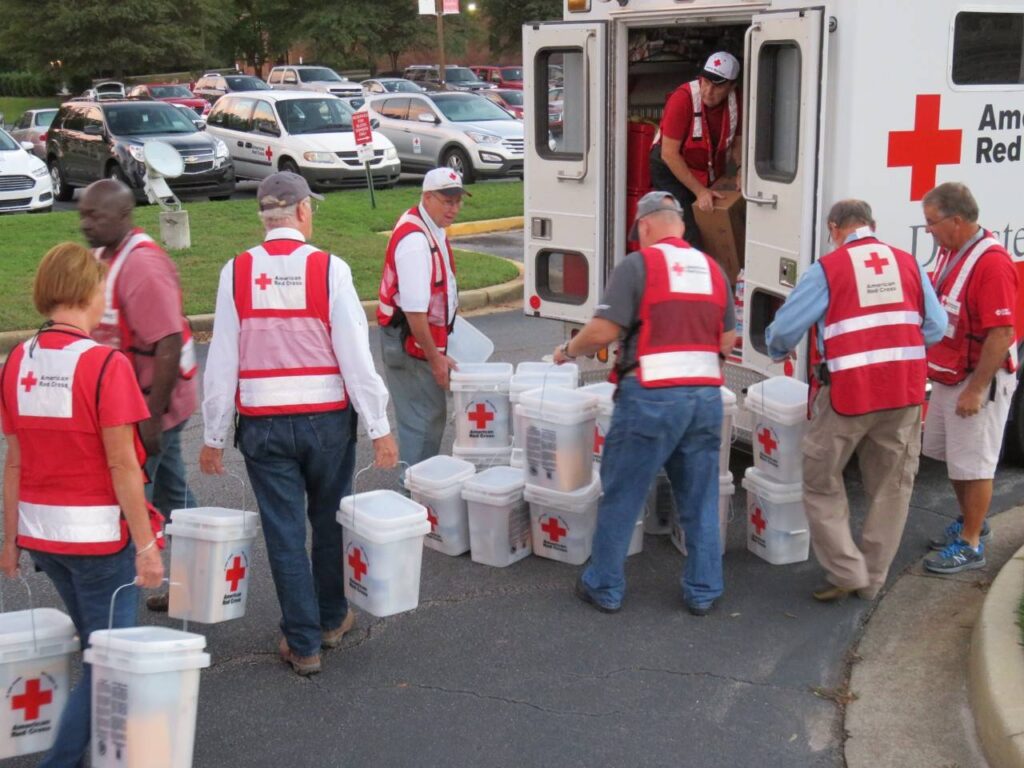
In central Illinois, Red Cross responders assisted dozens of people displaced by multiple home fires in recent days, underscoring the ongoing demand for trained volunteers nationwide. With widespread outages, dangerous cold and frequent local disasters, Red Cross volunteers — from disaster action teams to shelter workers — are stretched thin but continue to provide life-saving services where they are needed most.
How Red Cross Shelters Are Supporting Storm Survivors
After a severe winter ice storm in Tennessee knocked out power for hundreds of thousands of residents, the American Red Cross opened emergency warming centers and shelters to help people stay safe in freezing temperatures.
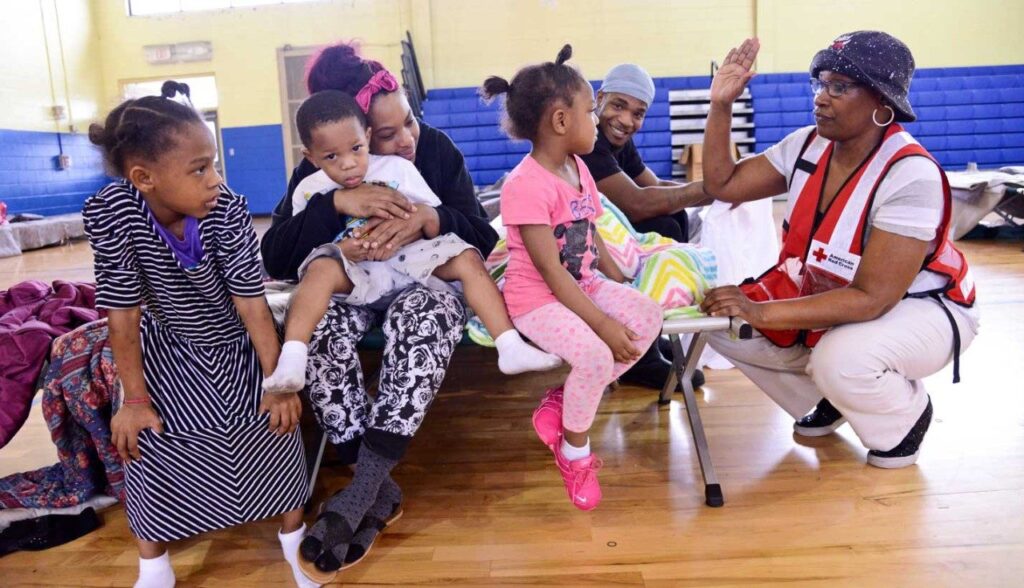
In Nashville, 76-year-old Laurel McManus — who uses a walker and lost power at her mobile home — was unable to leave because a fallen tree blocked her doorway. Local police helped her reach a Red Cross shelter where she could stay warm and receive support that was otherwise unavailable in her neighborhood.
These shelters offer more than just a warm place to stay: volunteers provide meals, blankets, hygiene items, and comfort to families coping with prolonged outages. Across multiple states hit by the same weather system, thousands have used Red Cross shelter services this winter, demonstrating the organization’s critical role in extreme weather events.
Local Fire Response: Volunteers on the Front Lines
While weather emergencies have dominated headlines, other disasters like residential fires continue to place pressure on disaster teams.
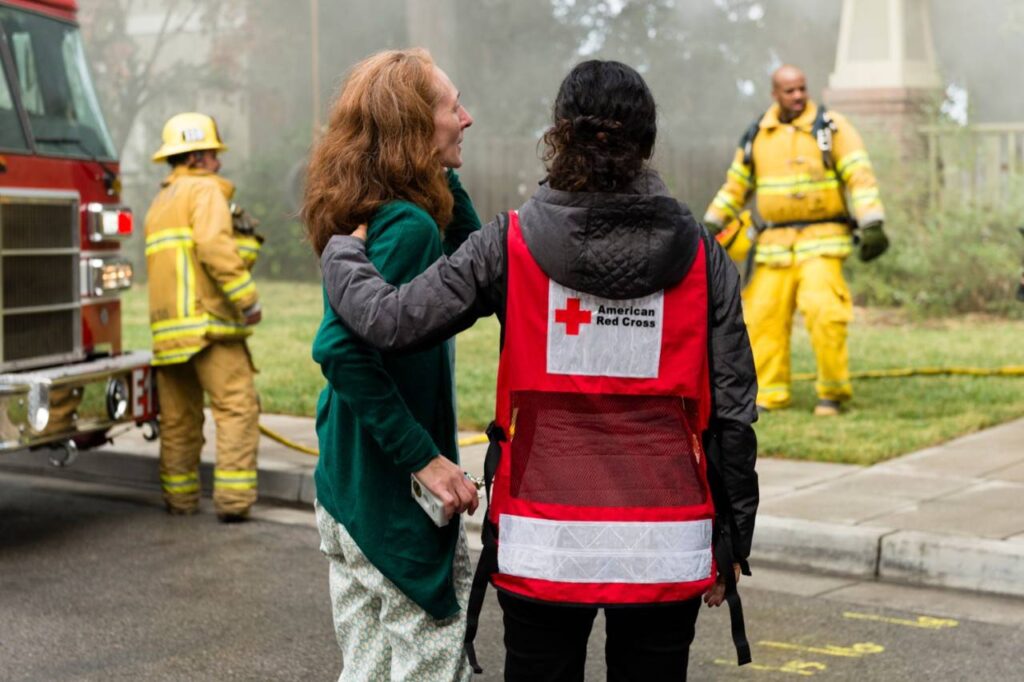
In central Illinois, Red Cross volunteers responded to six separate home fires in a single week, providing emergency aid and comfort to 45 people including parents and children.
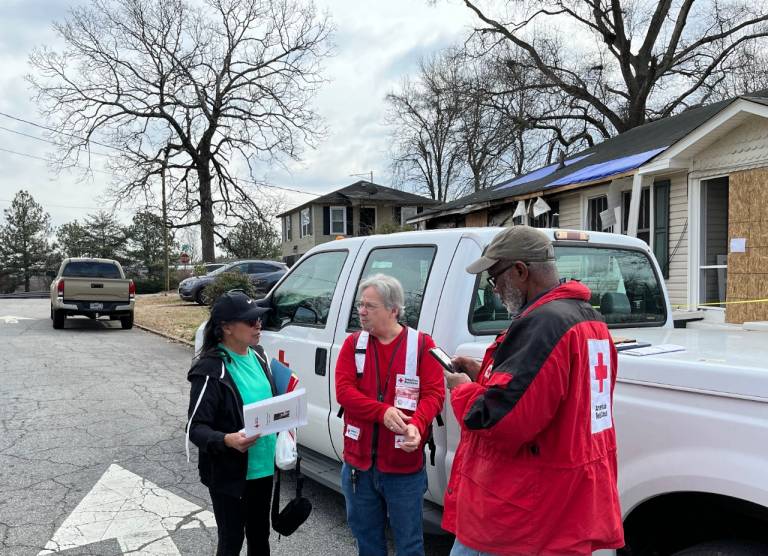
These responders arrive on scene alongside firefighters, assess immediate needs, and connect survivors with resources such as temporary housing, food, health services, and emotional support. As crises like these occur every few days, the demand for trained disaster volunteers continues to grow, making community involvement essential.
Who Red Cross Volunteers Are — and How They Make a Difference
The backbone of the Red Cross’s disaster mission is its volunteer force — from shelter workers to disaster action team members. These volunteers come from all walks of life and receive training to assist in emergencies like floods, fires, and major storms.
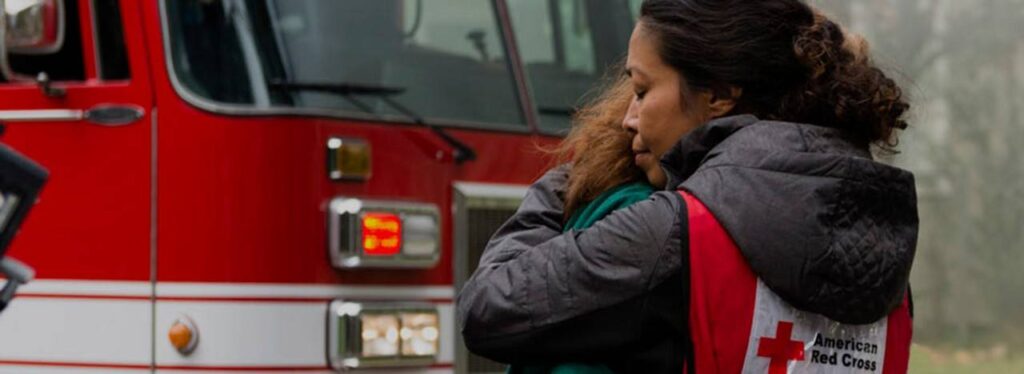
Across the United States, volunteers provide:
- Emergency sheltering and meals during weather crises.
- Support services for home fire survivors, including mental health and financial assistance.
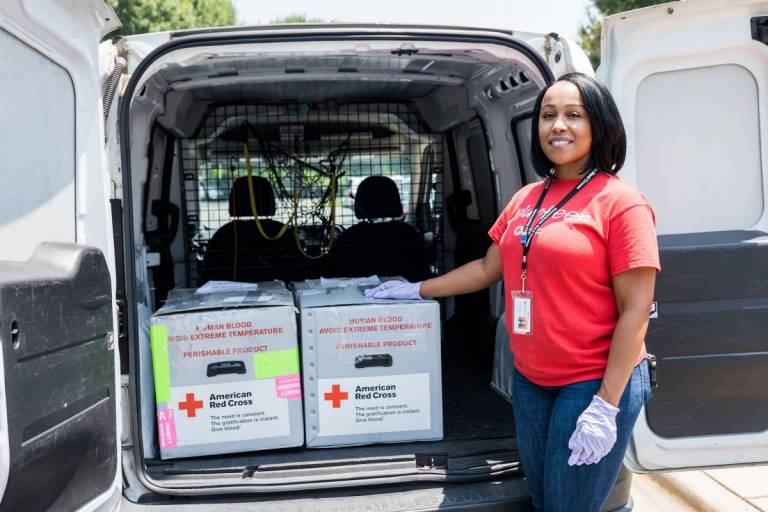
- Blood donation drives and vital blood supply logistics.
- Recovery help as survivors transition back to normal life after disaster.
In some regions, volunteers step into specialized roles helping residents navigate long-term recovery — from securing housing to rebuilding community ties — offering more than just immediate relief but a path forward after loss.

The Broader Impact of Red Cross Efforts
These combined efforts matter now because communities are facing overlapping challenges: historic storms, extended power outages, and a continual rise in local emergencies like home fires. When disasters strike, resources such as shelters and trained volunteers can be the difference between life and hardship.
Moreover, widespread winter weather has disrupted blood drives across the country, leading to critical shortages that affect patient care. National Red Cross leaders are urging unaffected donors to give blood to replenish supplies and support medical needs beyond the immediate crisis.
Support networks like the Red Cross serve not just to respond to emergencies, but to strengthen community resilience — helping people weather the immediate storm and recover afterward.
How You Can Help and Get Involved
Individuals who want to support these efforts can:
- Volunteer with the Red Cross in roles ranging from shelter assistance to Disaster Action Teams.
- Donate blood to help stabilize the critical national supply.
- Offer financial support or essential supplies that help expand relief operations.
Training and volunteer applications are available online through the Red Cross volunteer portal, and free training is offered for many positions.
With climate-related storms and everyday emergencies increasing in frequency and severity, organizations like the Red Cross are more important than ever. Their ability to mobilize quickly, house displaced residents, and provide comfort in crisis situations directly contributes to community safety and resilience. By supporting and strengthening volunteer networks, every community becomes better prepared for future disasters.
Subscribe to trusted news sites like USnewsSphere.com for continuous updates.