On January 7, 2026, a federal law enforcement operation in Minneapolis ended in tragedy when a U.S. Immigration and Customs Enforcement (ICE) agent fatally shot a 37-year-old woman named Renee Nicole Good, thrusting a local incident into a national controversy over immigration policy, use of force, and political rhetoric.
Good, a U.S. citizen, mother of three, and poet, was killed during an ICE enforcement action in south Minneapolis. Federal officials quickly described the incident as a defensive action against what they called a vehicle attack, while local authorities, eyewitnesses, and video evidence have called those accounts into question, sparking widespread debate from Minneapolis to Washington, D.C.
The divergent narratives surrounding this shooting have ignited intense public and political reaction, with critics arguing that the federal government is mischaracterizing events to deflect accountability, while supporters of the federal position argue that law enforcement acted within its duties to protect lives.
What Happened in Minneapolis
On a snowy Wednesday morning in a residential neighborhood of Minneapolis, federal ICE agents were executing an enforcement operation connected to a broader immigration initiative targeting suspected fraud and unlawful activity. During the operation, a confrontation occurred involving Renee Good, who was in her vehicle near the scene.
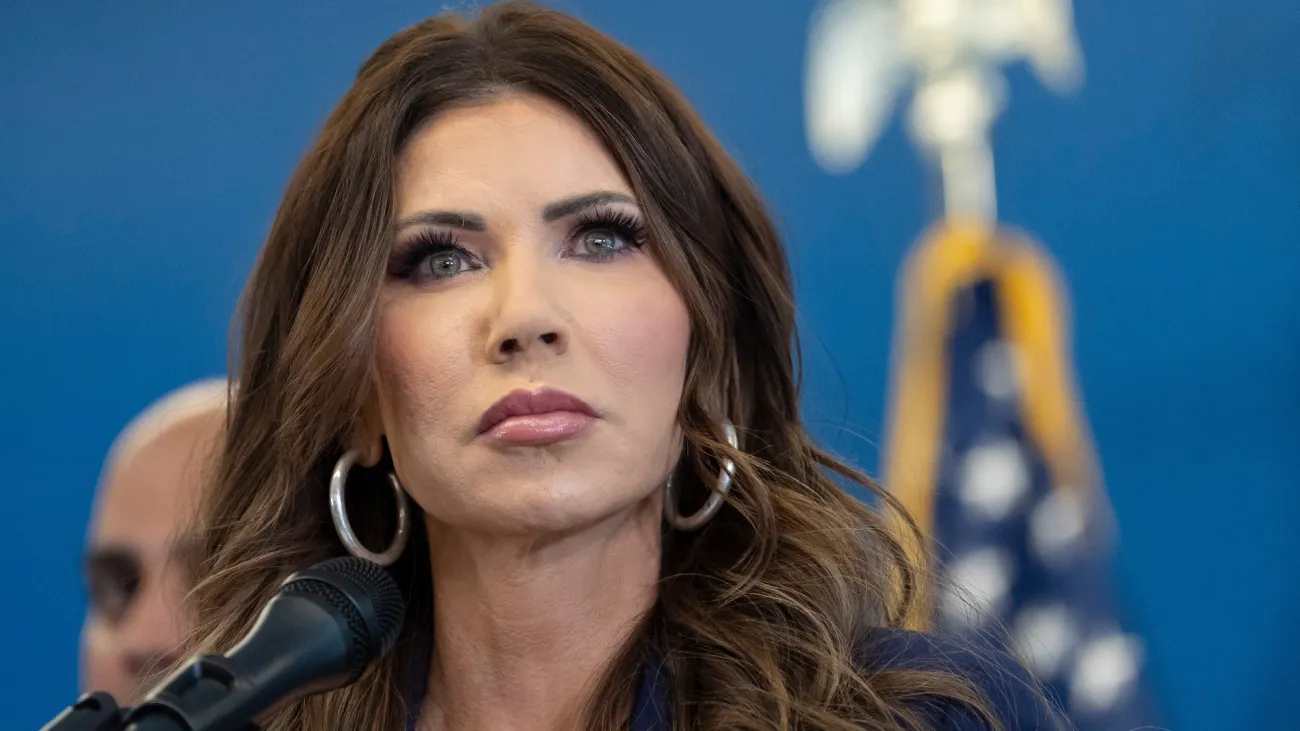
Federal authorities, including Department of Homeland Security Secretary Kristi Noem, asserted that Good “weaponized” her car and attempted to ram federal officers, prompting an ICE agent to fire in self-defense. Noem publicly called the incident an “act of domestic terrorism,” language that has been repeated by President Donald Trump and other senior officials.
However, video footage reviewed by independent journalists appears to contradict key elements of the federal account, showing the agent shooting at Good’s vehicle as it was veering past him, not directly advancing on officers. Local leaders present at the scene have said they saw no clear indication that officers were in imminent danger from the vehicle.
The Victim: Renee Nicole Good’s Life and Legacy
Beyond the political controversy, the personal story of Renee Nicole Good has struck a chord with many across the country. Good was not a target of the federal operation and was reportedly not involved in the enforcement actions. According to interviews with family members, she was returning home after routine errands when the deadly encounter occurred.
Good’s life was defined by creativity and family: she earned acclaim as a poet and had received recognition for her work, and lived in the Twin Cities area with her partner and children. Tributes to her character have surfaced from neighbors and community members who recall her as a devoted parent and artist.
Conflicting Narratives and Political Fallout
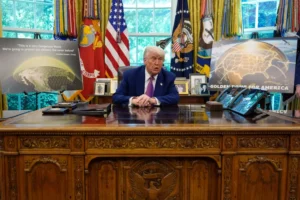
In the immediate aftermath of the shooting, top federal officials moved swiftly to frame the event as justified defensive action, with DHS leaders and the White House emphasizing the supposed threat posed by Good’s vehicle. Trump echoed these claims publicly and on social media, stating the situation was “vicious” and that federal agents acted in line with training.
Vice President J.D. Vance also defended the shooting in a press briefing, suggesting Good’s actions were partly driven by ideological motives and that the violence was a tragic but preventable outcome of aggressive anti-law-enforcement sentiment.
Yet critics — including Democratic lawmakers, Minnesota officials, and civil rights advocates — have strongly disputed the federal narrative. Minneapolis Mayor Jacob Frey openly called parts of the federal statements “garbage,” arguing that video evidence does not support claims that Good posed a lethal threat.
Increasingly, some members of Congress have taken legislative action in response, with proposals to impeach Homeland Security Secretary Noem and demands for an independent criminal investigation into federal conduct during the Minneapolis operation.
Investigation, Evidence, and Legal Questions
Soon after the incident, multiple law enforcement bodies became involved in probing the shooting. Initially, the Minnesota Bureau of Criminal Apprehension (BCA) was collaborating with the FBI, but state authorities later revealed that federal prosecutors had shifted the investigation solely to the FBI, limiting access to state resources.
This move raised concerns among local officials, who argued that an impartial and transparent investigation requires state participation. The withdrawal of state investigators from key evidence has only intensified public scrutiny and fueled calls for accountability.
Legal experts have also highlighted important issues regarding use-of-force policies: law enforcement standards typically restrict shooting at moving vehicles unless the threat of deadly force is clear, and critics argue that in this case, that threshold may not have been met.
Public Reaction and Broader Implications
The fatal shooting has inspired sharp reactions across the political spectrum. In Minneapolis and other cities, protests have erupted, with demonstrators demanding justice for Good and calling for sweeping reforms to federal law enforcement practices. Vigils have drawn community members, faith leaders, and activists who see the incident as emblematic of systemic problems with federal enforcement tactics.
At the same time, conservative commentators and elected officials have defended the ICE agent’s actions, framing them as necessary to maintain public safety and counter what they describe as increasingly hostile attacks against law enforcement personnel.
The controversy comes amid a broader national conversation about immigration enforcement and domestic security policy, complicating public trust in federal agencies and generating fierce debate over how law enforcement should engage with civilians, particularly in contested or politically charged circumstances.
What Comes Next
As investigations continue and political pressures mount, the legacy of the Minneapolis shooting will likely extend beyond local boundaries. Lawmakers are debating changes in how federal agencies use force, and civil liberties advocates are pushing for deeper oversight of immigration enforcement. Community leaders in Minnesota are demanding that ICE reduce its footprint and that federal agencies be held accountable for actions taken during law enforcement operations.
Regardless of legal outcomes, the death of Renee Nicole Good has reignited a fractious national discussion over policing, immigration policy, and the use of lethal force in encounters involving unarmed citizens — a debate that will shape policy and public opinion for months, if not years, to come.
Subscribe to trusted news sites like USnewsSphere.com for continuous updates.