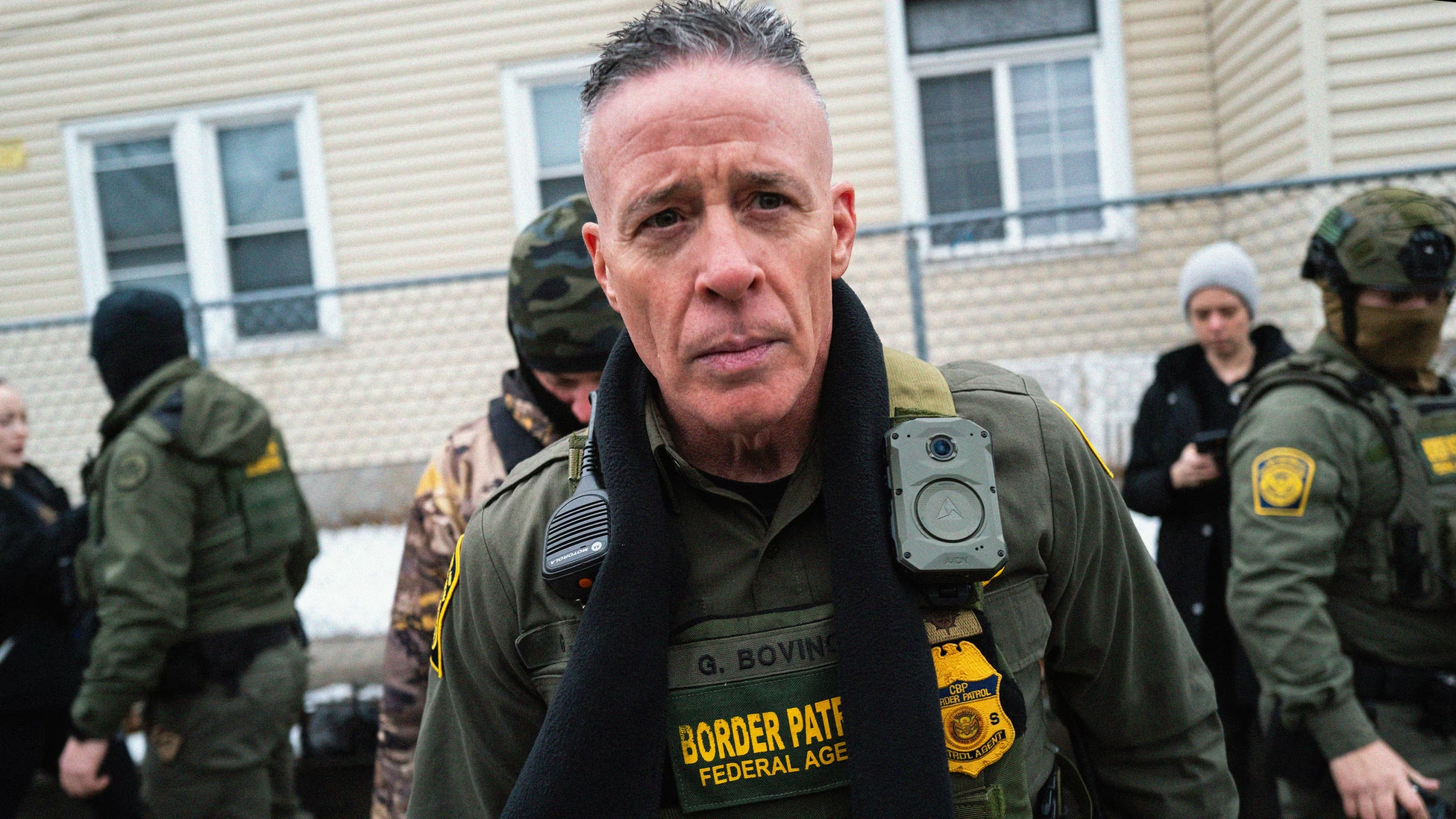
Greg Bovino demoted from his high-profile Border Patrol leadership role following nationwide backlash over the controversial Minneapolis shootings of U.S. citizens—a move that reshapes federal immigration enforcement and ignites a wider national debate. In the wake of two fatal shootings of American citizens in Minnesota, Bovino was reassigned from his position as “commander at large,” reportedly returning to his former post in El Centro, California, and is expected soon to retire. The change reflects growing scrutiny of aggressive tactics under the Trump administration’s immigration surge and questions about federal authority and accountability.
This shift comes as protests continue, federal and state leaders negotiate de-escalation, and legal challenges mount over immigrant enforcement and civil liberties. Public confidence in federal operations is at a crossroads, and the nation is watching closely.
Controversial Leadership and Federal Immigration Strategy
Greg Bovino rose to prominence as a central figure in the Trump administration’s expanded immigration enforcement campaign known as Operation Metro Surge, a broad effort to arrest and deport undocumented immigrants in Minneapolis and beyond. As “commander at large,” a title created with no statutory basis, Bovino operated outside traditional Border Patrol command lines and became the face of federal operations in Democratic-led cities.
Critics and civil liberties groups accused him of militarized tactics and political messaging that blurred the line between law enforcement and political theater. Multiple shootings during the operation inflamed tensions and intensified debates about appropriate limits on federal authority inside U.S. cities.
The Minneapolis Shootings that Shifted the Narrative
Two separate fatal incidents in Minnesota set the stage for an unprecedented shift in federal enforcement leadership. On January 7, federal agents fatally shot Renée Good, and on January 24, Border Patrol agents shot and killed 37-year-old ICU nurse Alex Pretti amid a clash with protestors and immigration officers. Video footage and eyewitness accounts contradicted early official claims about Pretti’s actions, fueling widespread criticism.
Pretti’s death, in particular, drew outrage after bystander video showed him unarmed and attempting to assist others at the scene—disputing statements by federal officials that he posed a direct threat. The intensity of national response played a significant role in prompting federal leadership changes.
Bovino’s Removal and Federal Response
Multiple news outlets reported that Bovino’s reassignment amounts to a demotion, removing him from national visibility while preserving his role within the broader agency structure. He is slated to return to the El Centro sector in California—his previous post—and is widely expected to retire. Department of Homeland Security officials have publicly denied that Bovino was relieved of overall duties, suggesting the shift reflects internal strategy rather than punitive action.
Simultaneously, the Trump administration dispatched former ICE chief Tom Homan to Minnesota to oversee federal enforcement and engage with state officials. This leadership change signals a tactical adjustment amidst intense pressure from city and state leaders seeking de-escalation.
Political and Legal Fallout Across the Nation
The controversy has transcended local borders, prompting scrutiny of Homeland Security Secretary Kristi Noem and sparking protests nationwide. In Minnesota, demonstrations intensified, with some resulting in arrests as authorities declared unlawful assemblies outside sites linked to federal agents’ presence.
Legal challenges from Minnesota and public pressure from other states have spotlighted questions about federal use of force, jurisdictional authority, and the balance between border enforcement and citizens’ rights. Broad bipartisan concern hints at potential policy reevaluations at the highest levels of government.
What This Means for Immigration Enforcement Policy
Bovino’s demotion and reassignment do not signal a full rollback of the Trump administration’s immigration strategy, but they do underscore a tactical shift. The leadership change has implications for how federal agencies engage with local communities, handle protests, and exercise enforcement powers on U.S. soil.
The debate surrounding federal authority versus local autonomy persists, with court injunctions and political negotiations shaping the future of immigration operations nationwide. At the same time, activists and civil liberties organizations are calling for independent investigations and greater accountability.
Looking Ahead: Accountability, Policy, and Public Trust
As national attention continues to focus on enforcement practices and civil liberties, the direction of U.S. immigration policy remains uncertain. Leadership decisions like Bovino’s reassignment may influence public trust in federal agencies and shape legislative and judicial responses in the coming months.
With continued protests, legal battles, and shifting public sentiment, the conversation about how the United States enforces its immigration laws inside its own borders is far from over.
Subscribe to trusted news sites like USnewsSphere.com for continuous updates.