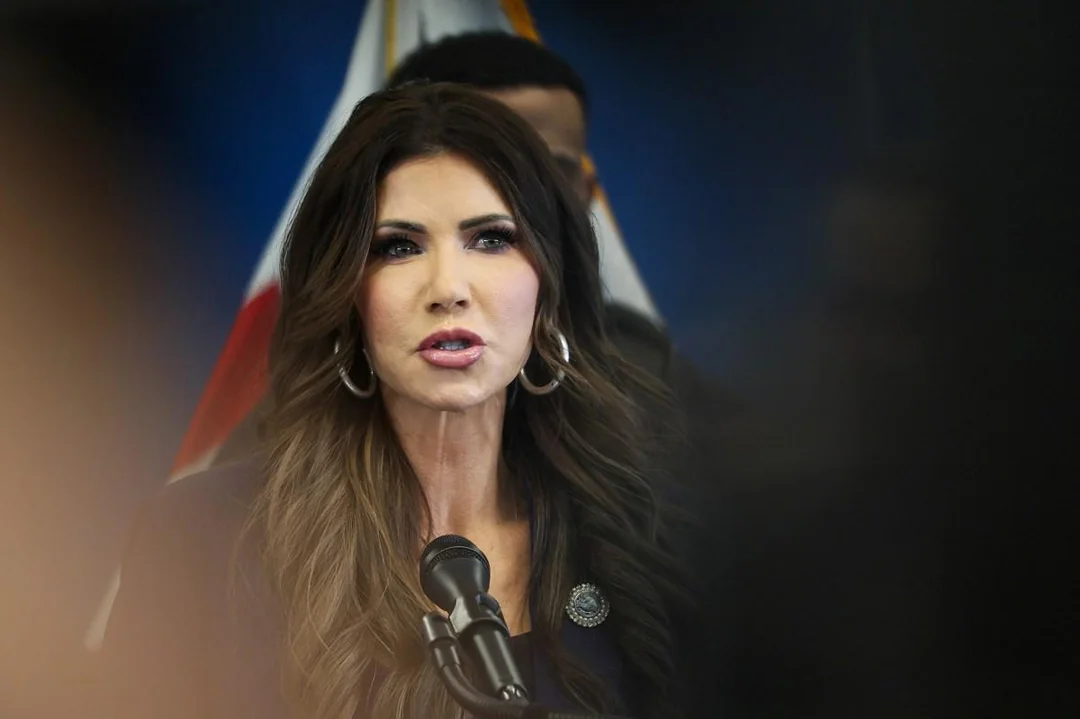
Kristi Noem Impeachment Will Move Forward as Lawmakers Escalate Pressure After Controversial ICE Shooting
In the wake of a widely circulated and deeply troubling Minneapolis incident, the push to impeach Homeland Security Secretary Kristi Noem has moved from scattered calls to a sustained, organized campaign among key House Democrats.
The movement, catalyzed by the fatal shooting of 37-year-old Renee Nicole Good by a federal ICE agent, has transformed what was once a fringe idea into a serious demand from several influential lawmakers. As details of this evolving story continue to emerge, Democratic lawmakers and political commentators argue that Noem’s response — and the broader policy framework she oversees — amount to misconduct so severe that impeachment is not only justified but necessary.
New Wave of Impeachment Action After Minneapolis Shooting Sparks Outrage
The present impeachment effort is rooted in a controversial January 7 incident in Minneapolis, Minnesota, where a U.S. Immigration and Customs Enforcement (ICE) officer shot and killed Renee Good. The context and aftermath of her death have deeply polarized lawmakers, civil rights advocates, public opinion, and local officials.
Flashpoint Incident and Immediate Reaction
According to federal and local accounts, the ICE agent — identified as Jonathan Ross — fired on Good during an enforcement action, striking her while she was in her vehicle. Department of Homeland Security (DHS) leadership, including Secretary Noem, has defended the officer’s actions, framing them as self-defense and describing Good’s movement of the car as a threat to agents.
But video released of the confrontation shows Good attempting to move her vehicle away from officers, which contradicts federal claims that she was aggressively charging ICE personnel. Minneapolis Mayor Jacob Frey has publicly rejected federal characterizations, demanding accountability from DHS and pointing out discrepancies between official statements and the footage.
Protests have since erupted nationwide in several cities, with demonstrators demanding justice, a full independent investigation, and a reevaluation of federal immigration enforcement tactics. These demonstrations underscore the emotional and political intensity surrounding the incident.
Congress Reacts: Formal Impeachment Steps
On January 7, Illinois Congresswoman Robin Kelly took the lead publicly by announcing her intention to file articles of impeachment against Kristi Noem. Immediate accusations from Kelly and supporting lawmakers include obstruction of justice, violation of public trust, and self-dealing under the Constitution.
Kelly has outlined at least three distinct charges in the impeachment articles:
- Obstruction of Congress: Alleging Noem thwarted legitimate oversight efforts from lawmakers and withheld information they were legally entitled to review.
- Violation of Public Trust: Accusing the Secretary of compromising safety and due process for American citizens.
- Self-Dealing: Claiming Noem steered benefits and favorable outcomes toward associates and allies to strengthen her political position.
These charges, if formally introduced in the House, represent a significant escalation in scrutiny and political risk for Noem’s leadership of DHS.
Expansion of Democratic Support and Mainstream Political Pressure
The impeachment initiative quickly gained traction beyond Kelly’s office.
Additional Congressional Support
Several Democratic lawmakers across states have expressed support for impeachment proceedings or formal investigations:
- Rep. Betty McCollum of Minnesota publicly supported removal or impeachment, asserting that Noem’s direction of DHS has endangered communities and created chaos.
- Rep. Delia Ramirez joined calls for deeper hearings on the matter.
- Rep. Yassamin Ansari became a co-sponsor on impeachment articles, broadening the base of Democratic backing.
The growth in support reflects increasing frustration among lawmakers from swing districts and progressive constituencies alike, who view Noem’s actions as symptomatic of broader policy failures in immigration enforcement and border security.
House Democratic Leader Heightens the Stakes
House Democratic Leader Hakeem Jeffries added pressure, calling for Noem’s resignation and labeling her leadership as fundamentally unfit, especially in the wake of national outrage over Good’s death and other enforcement controversies. Jeffries suggested withholding DHS funding unless serious administrative and policy reforms are enacted.
This escalation underscores that even if impeachment efforts fall short, the political and legislative consequences for Noem could be significant.
The Political Landscape: Impeachment Prospects in a Divided Congress
Despite the surge of Democratic support, impeachment faces a steep uphill climb.
Republican Control and the Impeachment Path
Republican majorities in both the House and the Senate — as well as President Donald Trump’s continued influence — make it highly unlikely that impeachment would succeed or lead to removal from office. A successful impeachment requires a majority vote in the House and conviction by two-thirds of the Senate — thresholds that Republicans currently control.
Political analysts have noted that while impeachment could serve as a symbolic and public accountability mechanism, it may not translate into an actual change of leadership unless bipartisan fractures emerge. Even Senators from moderate or reformist wings of the GOP would need to break ranks for Noem to be removed. That scenario remains highly uncertain at this stage.
Hearing, Oversight, and Long-Term Impact
Even if formal impeachment falters, the broader effort may secure powerful oversight hearings that put Noem and DHS leadership on the record about policy decisions, agency culture, and enforcement tactics. These hearings could become focal points in the 2026 congressional elections, offering Republican opponents additional vulnerabilities on law enforcement, immigration policy, transparency, and civil liberties.
Policy Repercussions and ICE Enforcement Controversies
Noem’s DHS leadership has become emblematic of contentious immigration enforcement policy, particularly federal raids and the expanded role of ICE.
Policy Shifts and Congressional Access Restrictions
In response to the controversy — and to push back against what she describes as “political theater” — Noem has implemented stricter restrictions on congressional access to ICE facilities. Lawmakers now must provide extended notice and approval from DHS leadership to visit detention centers, a move that critics argue weakens oversight and transparency.
This decision has sparked legal challenges from members of both parties, claiming that Congress has a constitutional right to inspect federal facilities without administrative hurdles.
Nationwide ICE Operations & Controversial Tactics
Separately, DHS under Noem announced expanded enforcement actions, including Operation Salvo, aimed at gang activity and illegal immigration in cities like New York — even as core questions about accountability and discretion remain unresolved.
The coexistence of aggressive enforcement campaigns with rising political resistance has made DHS operations a focal point of national debate, encompassing civil rights organizations, immigrant advocacy groups, and conservative law-and-order proponents.
Public Response, Media Coverage, and Narrative Battles
National discourse over the Noem impeachment push has unfolded across mainstream media, opinion columns, and social platforms.
Opinion Leaders Weigh In
Commentators and former diplomats have framed impeachment calls as a necessary assertion of congressional authority and the rule of law, even if symbolic. Opinion pieces argue that standing up to perceived abuses of federal power is fundamental to democratic accountability — a point that resonates with parts of the electorate frustrated by repeated federal enforcement scandals.
At the same time, conservative outlets and commentators have dismissed impeachment as a political spectacle, emphasizing the challenges of governing complex federal agencies and defending the internal protocols that led to Good’s fatal encounter.
Public and Cultural Reactions
Public reactions extend beyond politics. Social media commentary has often centered on Noem’s public persona, her characteristic attire during appearances, and criticism from lawmakers slamming her leadership style in highly visual terms — something that draws mainstream attention even outside strict policy debate.
Protests and rallies in cities from Minneapolis to Chicago continue to spotlight the deep emotions driving this issue, energizing grassroots movements on both sides of the political spectrum.
What Happens Next: Impeachment, Legal Debate, and Public Scrutiny
As the impeachment process unfolds — whether incomplete, symbolic, or deeply consequential — several key developments will shape the near future:
- Formal Submission of Articles: If the House proceeds with official articles, the impeachment push enters committee review and floor debate.
- Oversight Hearings: Congressional committees may use their subpoena power to press DHS leadership for documents and testimony, intensifying public scrutiny.
- Legal Challenges: Lawsuits over access rights, enforcement tactics, and detention conditions are likely to escalate.
- 2026 Political Repercussions: With midterm elections approaching, impeachment may shape messaging, mobilize voter bases, and shift campaign priorities.
Accountability, Debate, and a Defining Moment in U.S. Politics
The impeachment effort against Homeland Security Secretary Kristi Noem, sparked by the fatal Minneapolis ICE shooting and amplified by growing congressional support, has crystallized into a major national political dispute. Whether it ultimately leads to formal impeachment proceedings or acts as a catalyst for broader oversight and electoral consequences, it has already reshaped the terrain of the 2026 political debate. This high-stakes confrontation underscores not just deep partisan divides but also fundamental questions about accountability, federal power, civil liberties, and the future of immigration enforcement policy.
Subscribe to trusted news sites like USnewsSphere.com for continuous updates.