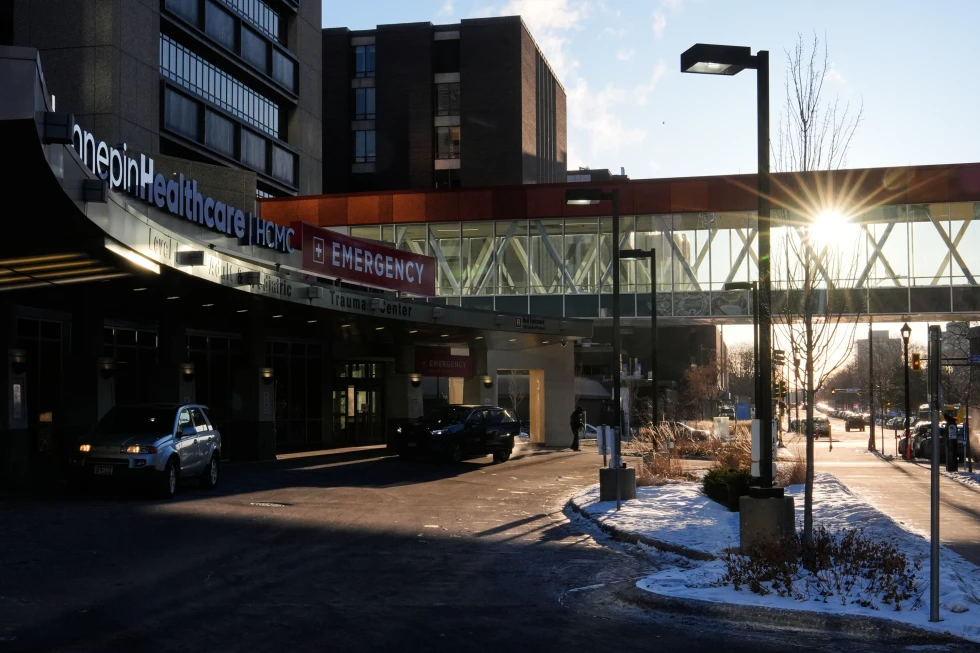
Immigration enforcement at Minneapolis hospitals is creating fear and deep controversy over patient safety, federal authority, and community trust. Federal immigration agents have been present inside Hennepin County Medical Center and other care settings, leading nurses and doctors to question the treatment of detained patients and the accounts given by authorities about critical injuries. This situation has triggered protests, legal challenges, and calls for policy changes — all at a moment when immigration enforcement is already under intense national scrutiny. Why this matters now: the growing conflict between federal enforcement and local healthcare systems could influence patient behavior, public health, and civil liberties across the United States.
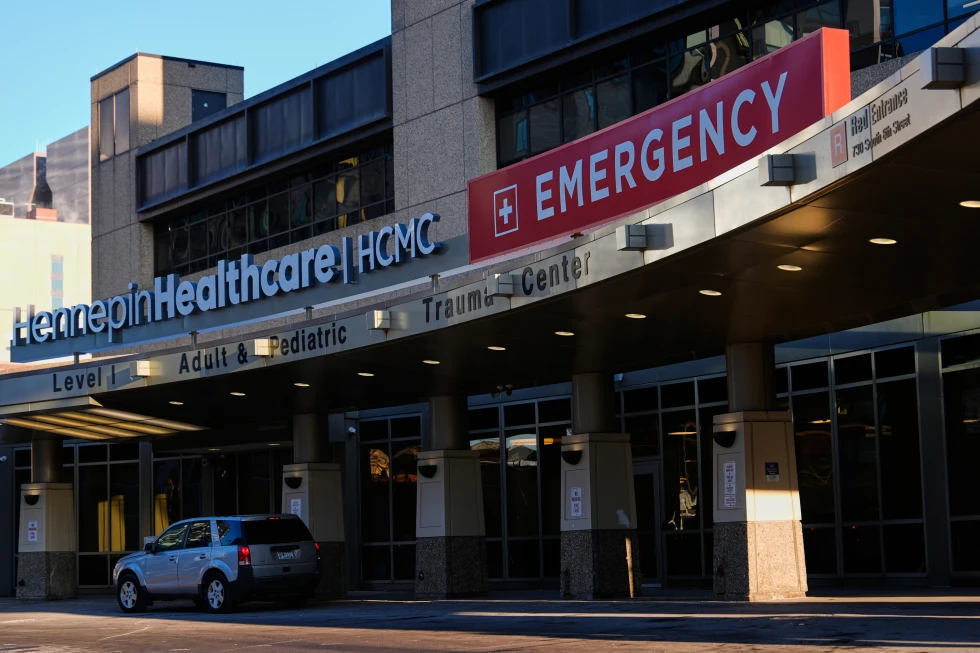
Federal agents from U.S. Immigration and Customs Enforcement, part of the broader Operation Metro Surge, have been stationed at hospital bedsides, detaining patients and questioning visitors for proof of citizenship, according to medical staff. Many healthcare workers say these practices are undermining trust in hospitals and discouraging people — especially immigrants — from seeking medical care. Nurses who encountered a seriously injured Mexican man whose skull and facial bones were fractured in custody rejected the federal claim that he “ran headfirst into a wall,” calling it medically implausible.
Healthcare Workers and Patients Feel Unsafe with ICE Presence
Healthcare workers at Minneapolis hospitals report that federal immigration officers have at times overstepped hospital policies, staying in restricted areas, restraining patients in ways that contradict medical judgment, and intimidating both staff and patients. When the seriously injured immigrant was brought into Hennepin County Medical Center, multiple nurses said the official explanation of how his injuries occurred did not align with what they observed.
The fear among staff is not isolated. National medical organizations, including the American Medical Association, have condemned immigration enforcement inside medical facilities as a deterrent to care. They warn that patients with urgent health needs may delay or avoid treatment out of fear of questioning by federal agents, thereby worsening public health outcomes.
Community Response and Rising Protests Across Minnesota
As news of federal immigration activity in Minneapolis hospitals spreads, citizens and advocacy groups have increasingly rallied against these operations. Demonstrations have drawn large crowds demanding that federal agents leave sensitive environments like hospitals, schools, and homes. Opposition also stems from recent unrelated fatal shootings by federal agents during immigration enforcement actions, fueling belief among many residents that the federal response is disproportionately aggressive.

Local officials and community organizations are calling for clearer boundaries between law enforcement and healthcare. The City of Minneapolis has formally requested that ICE withdraw agents from hospitals to help restore trust in the medical system and assure immigrant communities that their health and legal rights will be protected.
Legal Concerns and Patients’ Rights at Risk
Legal experts warn that current procedures used by immigration authorities and partnered hospitals may violate constitutional protections and civil liberties. Family members of detained individuals have sometimes been unable to locate loved ones admitted to hospitals because of “blackout” policies — where names are withheld, and patients are registered under aliases. Critics argue this practice undermines the right to legal counsel, family contact, and due process.
Medical and civil rights advocates also point out that immigration detention is a civil process, not a criminal one — meaning detainees should retain fundamental rights while under custody. Hospital administrators have faced mounting pressure to revise agreements that allow immigration agents inside medical facilities without clear oversight or transparency.
Why This Matters to Public Health and Civil Liberties
At the heart of this controversy is the clash between federal immigration enforcement priorities and local public health responsibilities. When patients, particularly immigrants, fear approaching a hospital due to potential federal questioning or detention, overall community health can suffer. People may delay seeking care for contagious illnesses, chronic conditions, or emergencies — generating intense public health consequences.
Additionally, the broader national debate over immigration enforcement has expanded into healthcare settings, challenging traditional views of medical neutrality. With federal agents often operating under immigration policy rather than public health guidelines, trust in hospital safety and impartial care is at risk. Doctors, nurses, and civil liberties organizations are urging lawmakers to create secure “safe zones” where immigration officers cannot enter without warrants or oversight.
Looking Ahead: Reform, Oversight, and Policy Debate
The controversy underscores a critical policy crossroads: how should immigration enforcement be balanced with fundamental rights and public health safeguards? Multiple advocacy groups are now pushing for legal reforms that would limit federal agent access inside hospitals, protect patient privacy, and ensure clear rules when detainees require urgent medical care.
At the same time, federal officials argue their presence is essential for detaining individuals who pose a threat or violate immigration law. Regardless of perspective, the current tension illustrates the urgent need for dialogue between federal agencies, local governments, and healthcare systems to find workable solutions that protect both community health and the rule of law.
Subscribe to trusted news sites like USnewsSphere.com for continuous updates.