Sean Grayson Is Sentenced to 20 Years in Prison for the Murder of Sonya Massey
In a high-profile case that has sparked national debate over police use of force and racial justice, former Sangamon County Sheriff’s Deputy Sean Grayson was sentenced to 20 years in prison for the fatal shooting of Sonya Massey, a Black mother who called 911 for help in her Springfield, Illinois home. Grayson was convicted in October 2025 of second-degree murder after body camera footage showed him fatally shooting Massey despite her compliance with orders and lack of any weapon.
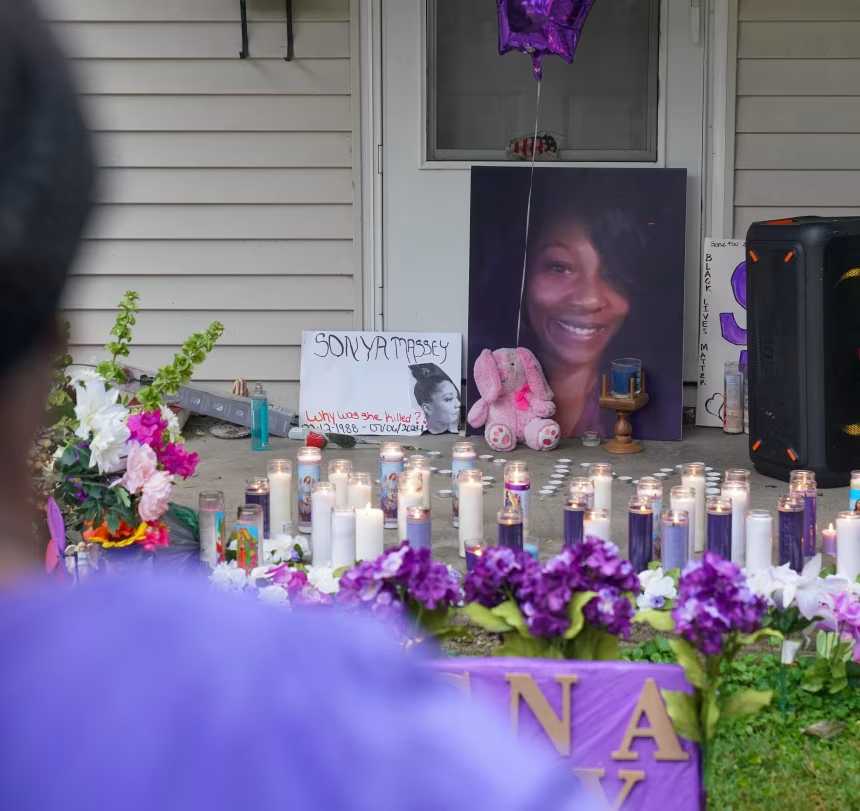
Massey, 36, dialed 911 on July 6, 2024, reporting a possible prowler outside her house. Grayson and another deputy responded. During the interaction inside her home, Massey held a pot of hot water but posed no real threat. Grayson fired three shots, striking her in the face, an act prosecutors argued was unjustified and excessive. The case drew broad attention due to concerns about racial bias, police accountability, and the treatment of individuals in crisis.
The Shooting That Sparked a National Outcry
On the early morning of July 6, 2024, Sonya Massey contacted emergency services, fearing someone might have broken into her house. Law enforcement arrived and, after finding no visible threat outside, made contact inside her home. Body-worn camera footage from the encounter captured Grayson ordering Massey to handle a boiling pot, which she subsequently set down and appeared to comply with. Despite this, Grayson opened fire, killing her in what prosecutors called an unreasonable use of force.
The shooting took place amid rising national scrutiny of police encounters with Black Americans, especially when there is no clear weapon or immediate threat present. Massey — unarmed and inside her own home — became one of the most deeply discussed cases in years, leading to protests, legal scrutiny, and calls for justice from civil rights advocates across the country.
Public outcry grew as the details of the encounter were widely shared online, with many critics arguing that the situation should have been de-escalated rather than ending in death. Advocates saw Massey’s case as emblematic of systemic problems in policing and an urgent call to reform law enforcement policies nationwide.
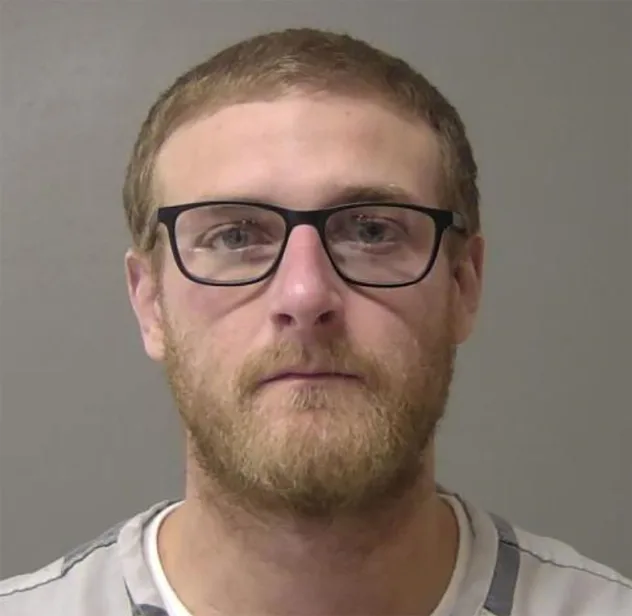
Macon County Jail
The Trial and Conviction
Grayson was initially charged with three counts of first-degree murder — a charge that could have resulted in life imprisonment — along with related counts of aggravated battery and misconduct. However, a jury in Peoria County ultimately convicted him of second-degree murder, finding that while his belief he was in danger might have been unreasonable, it met the legal standards for that lesser offense under Illinois law.
During the October 2025 trial, jurors reviewed body camera footage that showed Massey repeatedly saying, “I rebuke you in the name of Jesus” during the encounter and Grayson shouting at her before shooting. This footage became central to prosecutors’ arguments that the force used was neither necessary nor justified.
The conviction was seen by many as rare accountability in police-involved killing cases, where officers are often not charged or convicted even when video evidence shows questionable decisions. National civil rights attorney Ben Crump, representing the Massey family, praised the verdict as a meaningful step toward justice and a demonstration that no one is above the law.
A Maximum Sentence and Mixed Reactions
On January 29, 2026, Sangamon County Circuit Judge Ryan Cadigan imposed the maximum sentence allowed for second-degree murder — 20 years in prison — a decision met with emotional reactions in the courtroom. Massey’s family, who had urged the harshest possible penalty, reacted with relief but also acknowledged that no sentence could truly make up for their loss.
Grayson, who has been diagnosed with advanced cancer and whose lawyers argued for leniency based on his health, apologized in court, expressing regret for his actions. Still, the judge rejected the request for a reduced sentence, emphasizing accountability and the seriousness of taking an innocent life.
Critics of the lesser conviction noted that Grayson could become eligible for release in under 9 years due to credits for good behavior and time already served — an outcome some say underscores limitations in the criminal justice system’s handling of police violence cases.
Broader Impacts on Policy and Policing
The Massey case did more than result in a prison sentence: it sparked policy changes and intensified discussions around law enforcement training and transparency. In response, Illinois lawmakers passed legislation known as the Sonya Massey Act to tighten screening of law enforcement job candidates and expand de-escalation training requirements.
The U.S. Department of Justice also investigated policing practices in Sangamon County, resulting in agreements to increase reporting of use-of-force incidents and improve engagement with communities. Local leaders pledged reforms aimed at rebuilding trust between law enforcement and residents, signaling that the tragedy has ongoing implications for how public safety is administered.
Supporters of reform argue that Massey’s death and the subsequent legal outcome highlight the urgent need for better mental health crisis response strategies and alternative emergency response units trained to handle non-violent calls for help. Others see the sentencing as a step toward holding officers accountable for actions that unjustifiably take civilian lives.
Why This Matters Now
The sentencing of Sean Grayson marks a significant moment in the national conversation about policing, accountability, and racial justice. As debates over law enforcement reforms continue across the United States, the Massey case serves as both a cautionary tale and a rallying point for advocates pushing for systemic changes that prevent similar tragedies in the future.
In a time when trust in emergency services is deeply connected to community safety, ensuring that answers to crises are handled with humanity and care — not fear and force — is more urgent than ever. Brief moments captured on body cameras can have lifelong consequences, and the Massey murder case underscores that every citizen deserves protection without prejudice or undue violence.
Subscribe to trusted news sites like USnewsSphere.com for continuous updates.