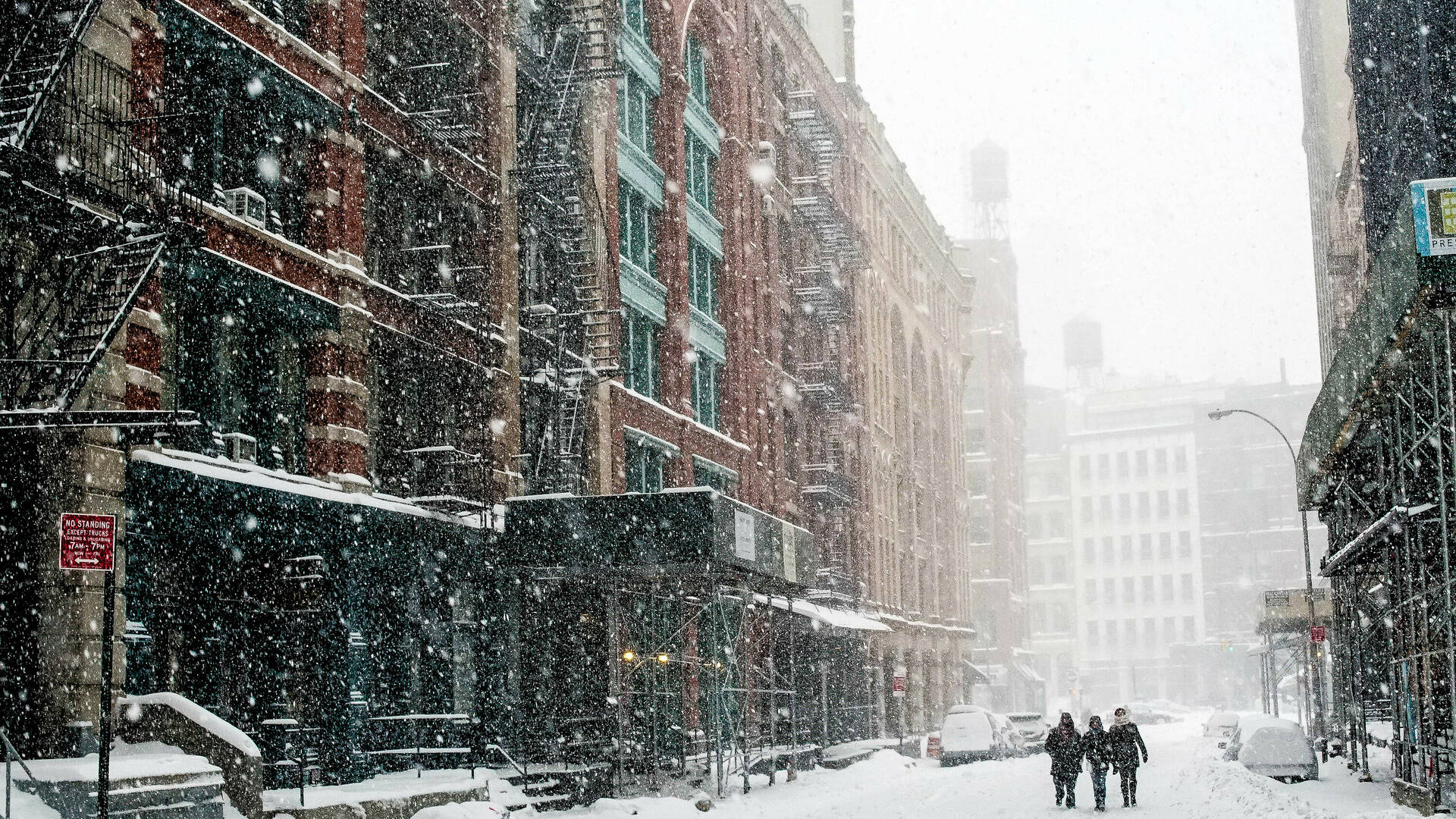
The 2026 NYC Blizzard has become one of the most severe winter storms in recent memory, with powerful snow bands, hurricane-force winds, travel bans, flight cancellations, and emergency actions affecting millions across New York City and New Jersey. This storm’s rapid evolution from a typical snow forecast to blizzard conditions has forced leaders to declare states of emergency and ban nonessential travel to protect lives and infrastructure. These extraordinary steps underscore how serious conditions are and why every resident must take preparation seriously.
Heavy snowfall combined with hurricane-like wind gusts has already reshaped travel plans, grounded thousands of flights, shut down transit systems, and compelled government leaders to implement unprecedented bans on road travel and large gatherings.
What Officials Are Saying and Doing
New York City Mayor Zohran Mamdani declared a citywide travel ban starting Sunday night and extending through Monday afternoon, banning all non-essential vehicle travel to clear roads for snowplows and emergency responders. In response to the forecast, New York Governor Kathy Hochul declared a state of emergency for 22 counties — including NYC, Long Island, Westchester, and the Hudson Valley — activating more than 100 National Guard members to help with response and snow removal operations.
Across the Hudson in New Jersey, Governor Mikie Sherrill also declared a statewide state of emergency starting Sunday afternoon in all 21 counties, the broadest possible coverage and the first such declaration in decades. The New Jersey Office of Emergency Management then issued mandatory travel restrictions to keep roads clear for emergency, utility, and snow removal crews. These proactive steps were designed to reduce traffic accidents, enable faster snow clearance, and ensure emergency services can reach residents without delays.
How Much Snow and What Conditions to Expect
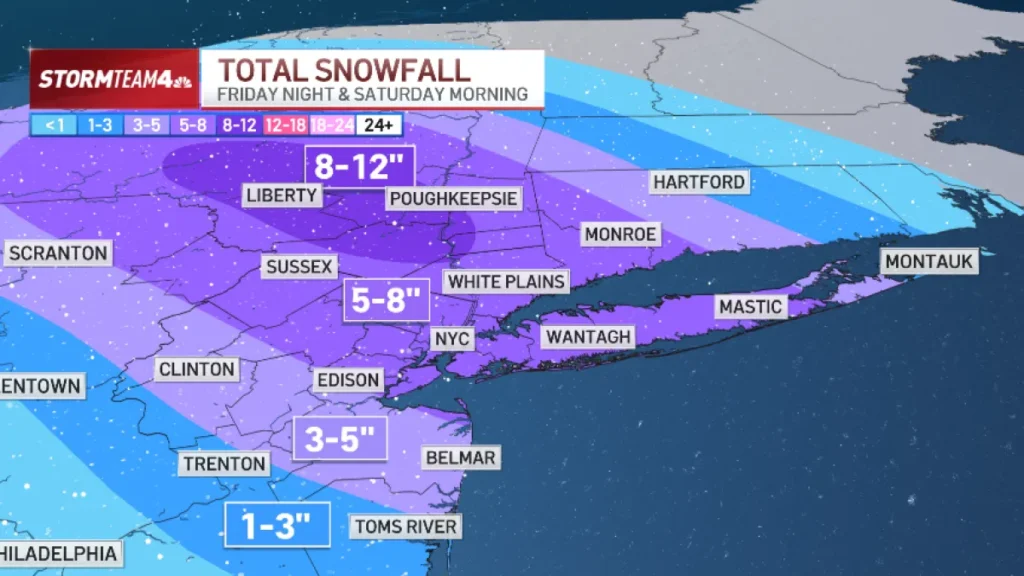
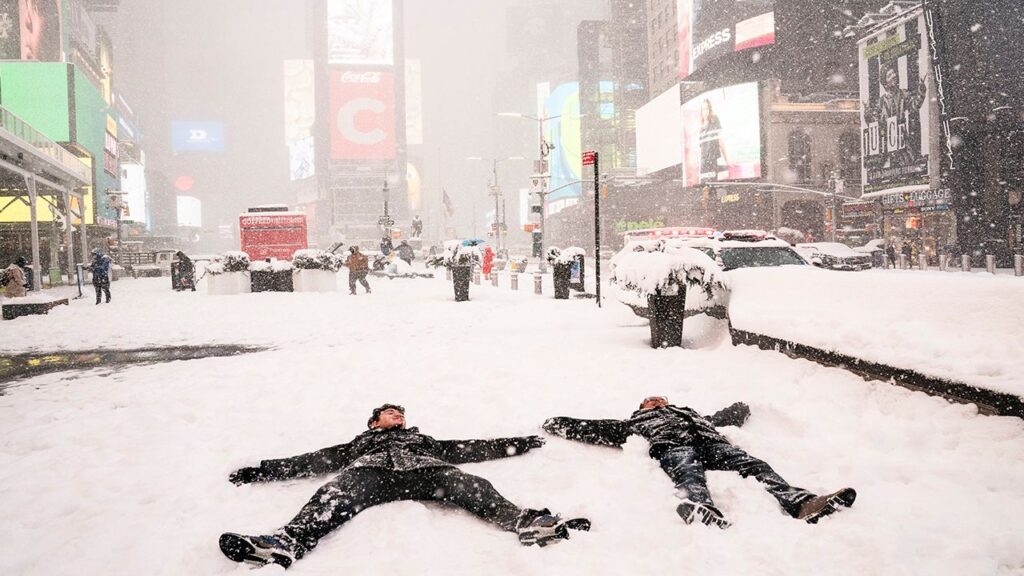
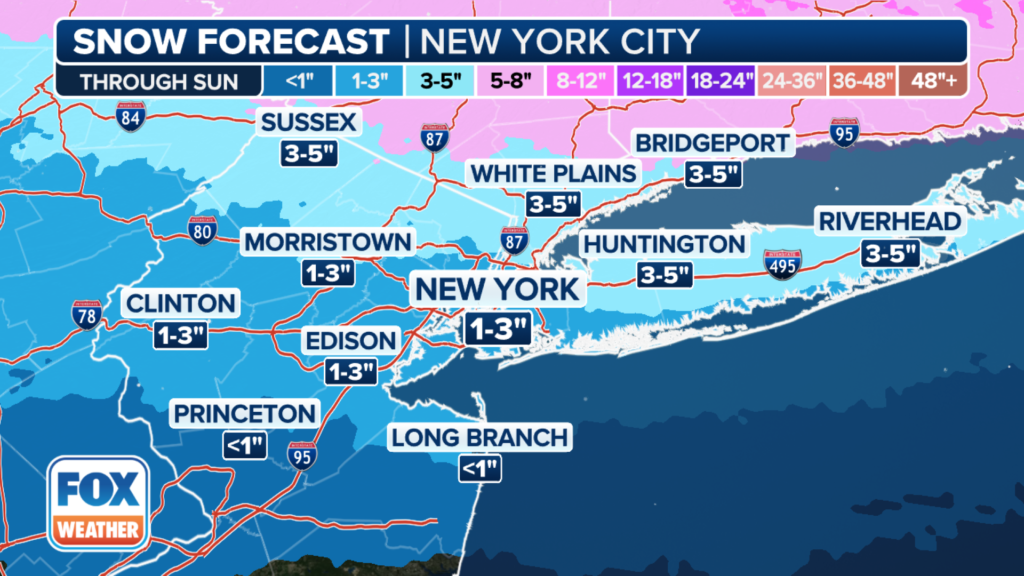
Forecasters warned that up to 18–24 inches of snow could fall in New York City and Long Island, with some coastal New Jersey communities possibly seeing more than 24–30 inches, making this snowstorm one of the most significant in years. Wind gusts over 55–70 mph are creating whiteout conditions, increasing the danger of travel and potential power line damage. This combination of wet, heavy snow and strong winds increases the risk of downed trees and extended power outages.
These snowfall totals are not just numbers — they represent potential roof stress, hazardous walking surfaces, and dangerous conditions for vehicles even after the storm moves on. Both New York City and New Jersey remain under blizzard warnings, signaling that the storm’s intensity meets strict criteria for destructive winter weather.
Widespread Travel Disruptions and Public Safety Measures
Air travel has been among the hardest hit, with thousands of flight cancellations reported at major regional airports, including JFK, LaGuardia, and Newark — affecting passengers’ plans and stranding travelers. On the ground, transit systems in New York are operating limited schedules or suspending services altogether, and New Jersey Transit has temporarily halted many operations to protect passengers as snow accumulates.
Beyond transportation, authorities have closed schools, public libraries, and non-essential government offices as part of an effort to keep residents off the roads and out of dangerous conditions. Many employers have shifted to remote work to help minimize travel and keep communities safe. These measures aim to reduce strain on emergency services and avoid accidents that could overwhelm hospitals and first responders.
Why This Matters Now
Unlike typical winter storms, this blizzard combines extreme snowfall with velocity and force not seen in the region in nearly a decade. Officials have emphasized that the storm’s rapid intensification left little time for gradual preparation, increasing the urgency for immediate action. Travel bans, emergency declarations, and large-scale mobilization of resources reflect both the severity of expected conditions and lessons learned from recent storms.
For businesses, schools, and commuters, planning ahead — even hours before onset — can dramatically reduce risk and disruption. Power outages and blocked roadways can quickly compound into emergencies for vulnerable populations, including the elderly and those with medical needs.
What You Should Do Next
Residents in affected areas should stay tuned to official weather alerts and advisories, keep communication lines open through emergency notification systems, stock basic supplies, and avoid travel unless absolutely necessary. Ensuring access to food, medications, and warm clothing before conditions deteriorate is crucial. Keeping pets and vulnerable family members indoors and safe from exposure will help prevent weather-related injuries and illnesses.
Local utility companies and municipalities are working to pre-position crews and equipment, but resident cooperation — especially by staying home and off the roads — will directly influence how quickly life returns to normal.
Subscribe to trusted news sites like USnewsSphere.com for continuous updates.