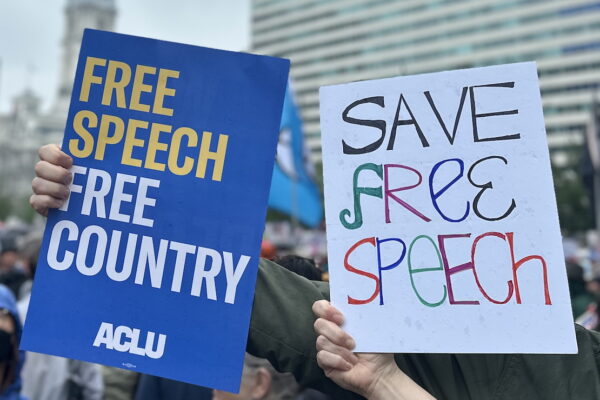
In a startling example of government overreach that raises major questions about free speech and civil liberties, the Department of Homeland Security (DHS) issued a secretive legal demand against a 67-year-old U.S. citizen simply for emailing a federal prosecutor with a plea for compassion in an immigration case. This matters now because legal experts and civil rights advocates say it shows how powerful agencies can quietly chill Americans’ rights under the First Amendment while avoiding public scrutiny.
Homeland Security’s action sparked controversy nationwide after Google informed the retiree that DHS had served an administrative subpoena compelling the tech giant to provide personal account data. Instead of requiring a judge’s approval like a normal court order, this rare legal tool gave DHS broad access without independent oversight.
Unusual Subpoena Triggers Federal Scrutiny
The incident began when a retired Philadelphia man identified publicly only as “Jon,” 67, sent a thoughtful email to Joseph Dernbach, a lead prosecutor at DHS, urging cautious treatment of an Afghan refugee facing deportation. Jon warned that returning the man to Taliban-controlled regions would endanger his life and urged the use of “common sense and decency” in deciding the case.

Hours after sending that email from his Gmail account, Jon received an automated message from Google saying that it had been served with an administrative subpoena from DHS demanding data linked to his account. Instead of a traditional judicial subpoena, this specialized tool allowed DHS to request records without a judge approving the request.
Days later, DHS agents reportedly appeared at Jon’s home to question him — an encounter that left him shaken and confused. Although no criminal charges were ever filed, the agency’s visit and the issuance of the subpoena have sparked a broader debate over whether federal power is being used to intimidate everyday Americans who express dissent or criticism.
What Are Administrative Subpoenas?
Unlike normal subpoenas that require judicial involvement, administrative subpoenas can be issued internally by government agencies. They were originally intended to assist with investigations during immigration enforcement and other civil matters. But critics say such powers are being used increasingly to reach ordinary citizens in ways that bypass the checks and balances designed to protect privacy and free speech.
According to civil rights groups and former DHS staff, the use of administrative subpoenas has surged in recent years, sometimes resulting in demands for personal data from large institutions, including requests sent to tech companies like Google and Meta.
Free Speech Experts Alarmed
Legal advocates — including attorneys from the American Civil Liberties Union (ACLU), who now represent Jon — say that DHS’s action violates not only the spirit of administrative subpoena laws but also the constitutional rights of U.S. citizens. They argue that targeting someone for sending an email expressing an opinion on government policy crosses a dangerous line.
Nathan Freed Wessler, one of Jon’s ACLU lawyers, told reporters that even if no criminal wrongdoing occurred, the mere threat of investigation and the government’s ability to quietly access personal information can create a chilling effect, making people think twice before speaking up on important policy matters.
Government Defends Its Actions
In statements to The Washington Post and other outlets, DHS officials defended the use of administrative subpoenas as lawful tools used in immigration enforcement and other investigations. The agency declined to provide details about Jon’s case, citing ongoing procedural rules and the need to protect sensitive investigative information.
Nevertheless, opponents point out that this approach lacks transparency and independent review, leaving ordinary citizens vulnerable to legal demands that they may not even know they are subject to.

Why This Matters Now
This case highlights a growing national conversation about the balance between government authority and individual rights. With administrative subpoenas now reportedly issued in the tens of thousands annually without public disclosure, civil liberties organizations warn that unchecked use could undermine fundamental constitutional protections like free speech, privacy, and due process.
As debates continue over immigration policy and federal enforcement tactics, Jon’s case serves as a flashpoint for discussions about executive power and democratic freedoms. Legal scholars, policymakers, and everyday Americans are watching closely, as the implications of such government tools could affect how citizens interact with federal agencies going forward.
Subscribe to trusted news sites like USnewsSphere.com for continuous updates.