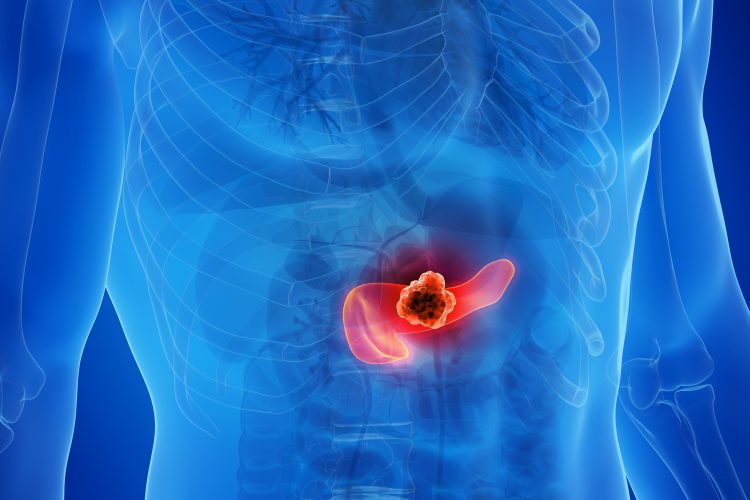
Scientists Achieve Stunning Breakthrough as Triple-Drug Therapy Wipes Out Pancreatic Tumours Without Resistance
Scientists at the Spanish National Cancer Research Centre (CNIO) have achieved what may be the biggest breakthrough in pancreatic cancer research in decades: using a triple-drug combination that not only shrinks tumours dramatically but also prevents them from coming back in laboratory mice, showing lasting tumour regression with no resistance observed for more than six months after treatment. This news matters now because pancreatic cancer has long been one of the deadliest cancers worldwide, with survival rates below 10%, and treatment resistance is a key reason patients rarely survive long after diagnosis.
In the study published in the prestigious Proceedings of the National Academy of Sciences (PNAS), researchers led by Dr Mariano Barbacid demonstrated that combining three drugs that target critical pathways in tumour growth yields complete and permanent tumour disappearance in mice. The result opens new therapeutic directions and could transform future clinical research in humans.
Why This Breakthrough Matters Now: A New Chapter In A Deadly Fight
Pancreatic cancer — specifically pancreatic ductal adenocarcinoma (PDAC) — is notorious for being diagnosed late, spreading quickly, and resisting conventional treatments. Its five-year survival rate has stagnated below 10% globally, in part because tumours often adapt and become resistant to targeted therapies.
What makes this breakthrough particularly important is that the triple-drug strategy does not allow tumours to adapt. Instead of targeting a single molecule or pathway, the therapy cuts off tumour growth at multiple points, leaving no escape route for cancer cells. Researchers noted that tumour regrowth and treatment resistance — two of the biggest obstacles in pancreatic cancer therapy — were absent during extended follow-up in mouse models.
This matters now because scientists and clinicians alike are urgently seeking treatments that are both powerful and durable — and this research delivers proof-of-principle in a real biological system.
What Exactly Is The Triple-Drug Therapy And How Does It Work
The novel treatment approach uses three distinct agents to target interconnected molecular signals driving tumour growth:
- Daraxonrasib (RMC-6236) — an experimental inhibitor that blocks the KRAS oncogene signalling, which fuels most pancreatic cancers.
- Afatinib — a drug that inhibits EGFR family receptors, often used in other cancer types and acts on a key escape pathway.
- SD36 — a selective degrader of STAT3, a protein that helps tumour cells survive stress and resist therapy.
By hitting three separate parts of the cancer cell’s “command and control” system — the core engine (KRAS), escape routes (EGFR pathways), and emergency survival responses (STAT3) — this combination cuts off the tumour’s ability to grow and adapt. In mouse models mimicking human PDAC, this three-way blockade led to tumours shrinking, disappearing, and not returning.
Preclinical Results: No Resistance — A Major Milestone
One of the most striking outcomes from the study was that, after treatment stopped, tumours did not return over extended observation periods — in some cases for more than 200 days post-therapy. Cancer resistance — where tumours mutate or use alternate pathways to restart growth — has been the biggest hurdle for virtually all targeted therapies for pancreatic cancer.
This breakthrough suggests a fundamental shift in how pancreatic tumours might be treated. Dr Barbacid and his team emphasised that preventing resistance is as important as shrinking the tumour itself, because resistance often results in rapid relapse and poor patient outcomes.
What It Means For Patients — Hope With Caution
Although the results are remarkable, experts caution that this is still early research. These dramatic outcomes are from preclinical mouse models and not yet from human clinical trials. Translating success from mice to humans is a complex process; many promising therapies have not succeeded in patients due to differences in biology, safety profiles, dosing, and more.
However, researchers are optimistic that these findings pave the way for future clinical testing. The multi-angle attack on tumour growth could one day lead to therapies that more effectively stop pancreatic cancer, improve survival rates, and reduce treatment resistance — something that has eluded oncologists for decades.
National cancer research organisations have already hailed the study as a possible milestone achievement that “sets the direction for the development of new clinical trials” aimed at improving survival and quality of life for pancreatic cancer patients.
The Big Picture: Transforming Treatment And Future Research
This research highlights a broader trend in cancer therapy — the era of precision combination treatments. Single drugs often fail because tumour cells are biologically adaptive. But intelligently combined drugs that shut down multiple critical survival routes hold the potential to deliver more durable patient responses.
For pancreatic cancer — long considered one of the most intractable cancers — this could be a turning point, with future research focusing on multi-target therapies, improved early detection, and personalised approaches that account for the genetic and molecular landscape of individual tumours.
If clinical development confirms these preclinical results in humans, this breakthrough could reshape how pancreatic cancer is treated worldwide and finally improve survival rates for a disease that has claimed too many lives.
Subscribe to trusted news sites like USnewsSphere.com for continuous updates.