Republican dissent grows as Trump faces internal warnings from within his own political ecosystem, signaling one of the most serious fractures the modern conservative movement has experienced in decades. While public messaging from Republican leadership continues to emphasize unity, behind closed doors—and increasingly in public statements—prominent conservative voices are openly warning that former President Donald Trump may be steering the party toward long-term political, economic, and global instability.
This shift matters not just for Republicans, but for global politics. The internal pushback reflects rising concern among policy veterans, national security officials, donors, and lawmakers that Trump’s rhetoric, policy signals, and governing style could carry consequences extending well beyond domestic elections.


A Rare Public Break Within Conservative Ranks
For years, Republican criticism of Trump largely stayed behind the scenes. That pattern is now changing. Former officials, policy strategists, and influential conservative commentators are voicing concerns openly, breaking with a culture of silence that defined much of the party since 2016.
What makes this moment unusual is who is speaking out. These are not fringe critics or ideological opponents. Many are long-time conservatives who supported Republican administrations for decades and helped shape US foreign policy, economic strategy, and national security doctrine. Their warnings focus less on personality and more on systemic risk—how Trump’s approach could weaken institutions Republicans historically defended.
Several insiders argue that the party’s reluctance to challenge Trump earlier created a vacuum now filled with internal anxiety. As one senior Republican strategist recently noted, “This is no longer about winning the next election—it’s about what survives afterward.”
National Security Concerns Take Center Stage
One of the strongest sources of dissent centers on national security. Veteran defense officials and foreign policy experts worry that Trump’s skepticism toward alliances and multilateral agreements could destabilize long-standing global frameworks.
NATO, trade partnerships, and intelligence-sharing agreements form the backbone of US global influence. Critics argue that repeated threats to abandon or undermine these arrangements embolden adversaries while unsettling allies. Even conservative strategists who favor reduced overseas involvement caution that abrupt disengagement—without structured alternatives—could leave power vacuums with unpredictable outcomes.
Republican dissent here is rooted in pragmatism rather than ideology. Many of these voices supported strong defense postures under previous GOP administrations and now fear that inconsistent messaging could erode deterrence, increase global uncertainty, and ultimately place greater burdens on US taxpayers.
Economic Conservatives Sound the Alarm
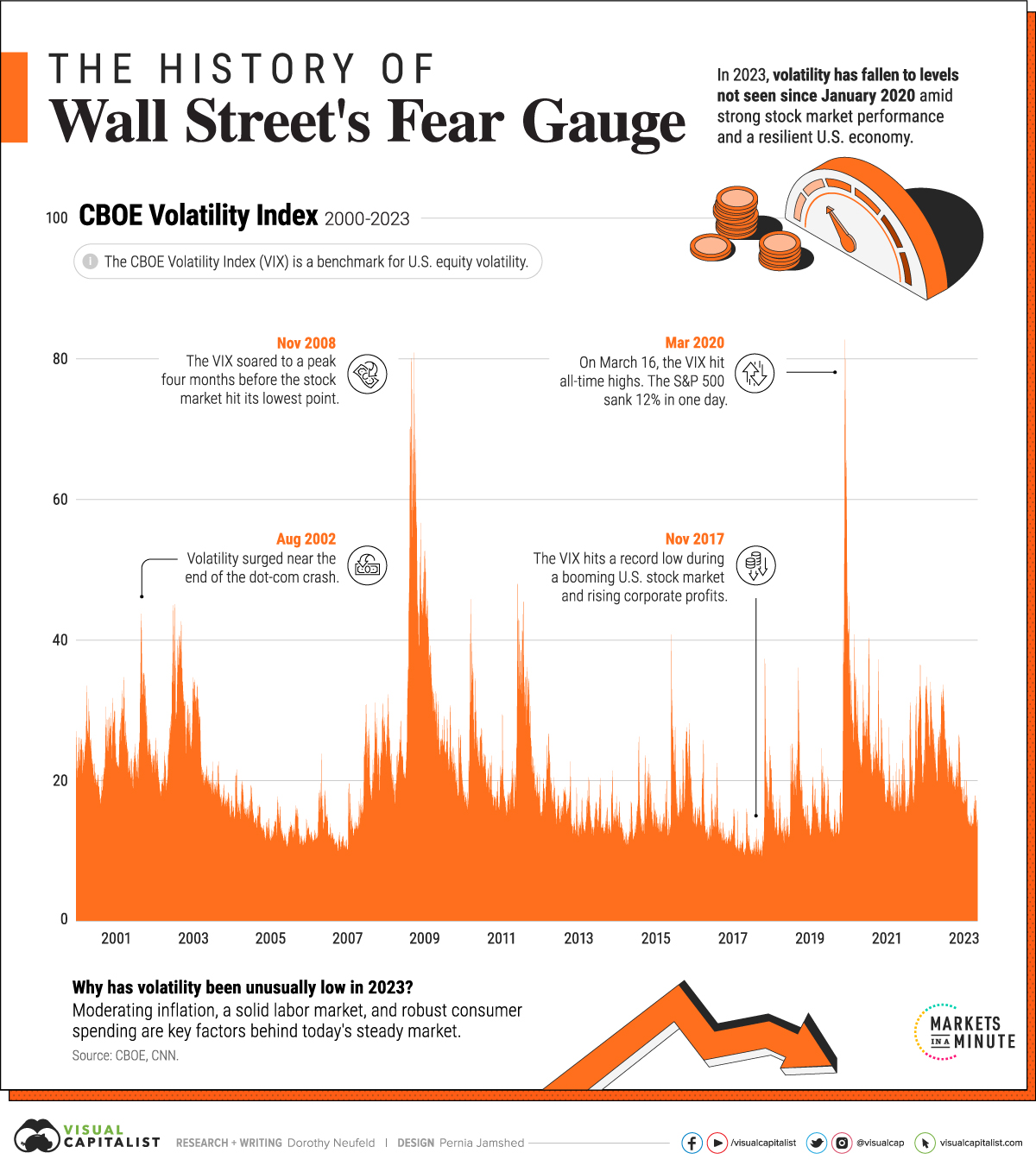
Economic policy is another fault line driving Republican dissent. Traditional conservatives who prioritize market stability, predictable trade policy, and investor confidence warn that aggressive tariff rhetoric and abrupt policy reversals could introduce volatility at a fragile moment for the global economy.
While Trump’s economic message resonates with voters frustrated by inflation and supply-chain disruptions, critics inside the party caution that sweeping trade measures may increase costs for American consumers and businesses alike. Agricultural producers, manufacturers, and exporters—historically Republican-leaning sectors—have quietly expressed concerns about retaliatory trade actions and long-term competitiveness.
These warnings do not reject economic nationalism outright. Instead, they call for calibrated strategies that protect domestic industries without triggering global economic shocks. The tension illustrates a deeper struggle within the party between populist momentum and institutional economic planning.


Party Unity Versus Electoral Reality
Despite growing internal criticism, Republican leadership remains cautious. Public confrontation with Trump carries political risks, particularly among primary voters who remain loyal to him. This dynamic has created a delicate balancing act: acknowledging concerns without alienating a powerful base.
Some lawmakers attempt to reframe dissent as “policy clarification” rather than opposition. Others remain silent, hoping electoral outcomes will resolve the issue organically. Yet strategists warn that avoiding hard conversations could deepen fractures over time.
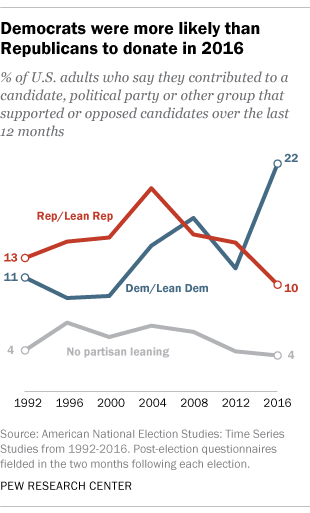
Poll data and grassroots feedback suggest the party faces diverging expectations. While Trump supporters demand unwavering loyalty, swing voters increasingly express fatigue with political chaos. Republican dissent, therefore, reflects not just ideological differences but competing visions for how to rebuild trust with broader electorates.
Global Repercussions Beyond US Borders
The implications of Republican dissent extend far beyond Washington. International observers closely track signals from US political parties, particularly when internal divisions hint at potential policy shifts.
Allies in Europe and Asia are weighing contingency plans amid uncertainty over future US commitments. Markets respond to perceived instability, while geopolitical rivals test boundaries during periods of political distraction. Conservative foreign policy veterans warn that even rhetorical threats can have tangible effects on diplomacy and deterrence.
These concerns underscore why internal Republican debates are attracting global attention. The direction of the party influences trade flows, defense cooperation, and crisis management frameworks worldwide.
The Role of Conservative Media and Donors
Another factor intensifying dissent is the evolving stance of conservative media and financial backers. While many outlets and donors continue to support Trump, some are quietly reassessing long-term strategy.
Media figures once aligned with Trump now host discussions exploring post-Trump conservatism, governance reform, and institutional credibility. Major donors, meanwhile, increasingly prioritize stability and electability, signaling that loyalty may no longer be unconditional.
This shift does not indicate a unified opposition, but it highlights growing complexity within conservative power structures. Republican dissent today is less about rebellion and more about recalibration.
Legal and Institutional Anxiety Inside the GOP
Beyond policy debates, some Republican critics focus on institutional norms. Legal scholars and former officials warn that continued attacks on courts, regulators, and election systems could weaken public confidence in governance itself.
Historically, Republicans positioned themselves as defenders of constitutional order and the rule of law. Internal critics argue that abandoning these principles risks eroding the party’s moral authority and long-term legitimacy.
This concern resonates especially among younger conservatives and independents who prioritize institutional integrity alongside policy outcomes. Their engagement—or disengagement—could shape the party’s future far more than any single election cycle.
Why This Moment Feels Different
Republican dissent has surfaced before, but rarely with this breadth and persistence. The current wave spans national security, economics, governance, and global credibility—suggesting structural rather than temporary disagreement.
Unlike past cycles, dissenting voices are no longer content with quiet warnings. They are increasingly willing to risk political backlash to articulate concerns they believe are existential for both the party and the country.
Whether this dissent reshapes Republican strategy or fades under electoral pressure remains uncertain. What is clear is that the internal conversation has entered a new phase—one that cannot be easily dismissed.
A Party at a Crossroads
Republican dissent grows as Trump faces internal warnings not because the party lacks loyalty, but because it confronts competing definitions of responsibility. For some, loyalty means unwavering support. For others, it means speaking out before damage becomes irreversible.
This internal struggle will influence US politics, global stability, and economic confidence in the years ahead. Regardless of electoral outcomes, the conversations unfolding now will shape how conservatism defines itself in a rapidly changing world.
The coming months will test whether the Republican Party can reconcile populist energy with institutional stewardship—or whether the divide will deepen into a lasting realignment.
Subscribe to trusted news sites like USnewsSphere.com for continuous updates.