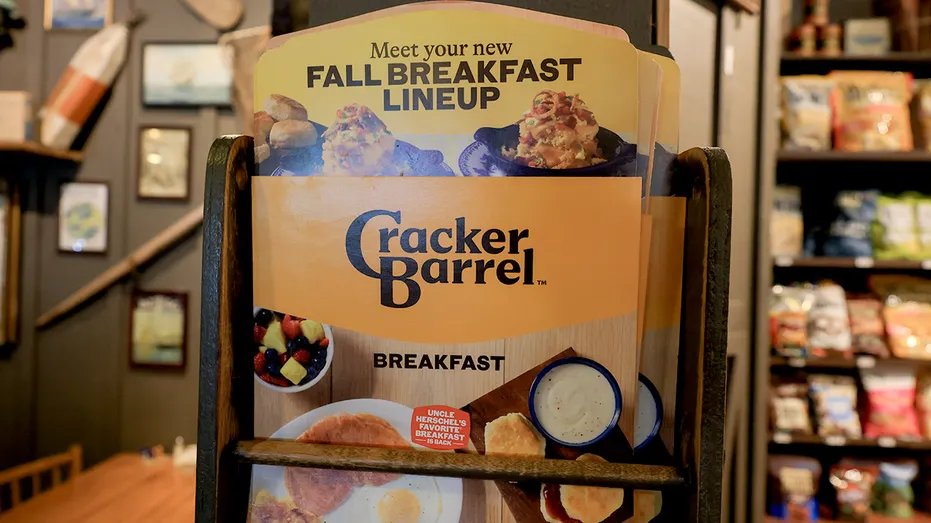
Cracker Barrel has issued a policy change that is catching national attention: employees traveling for work are now asked to eat most or all of their meals at Cracker Barrel restaurants whenever practical, and alcohol expenses won’t be reimbursed unless specially approved. This shift — revealed through a leaked internal memo — comes as the Southern-style chain works to cut costs amid sagging sales, layoffs, and lingering fallout from a divisive rebranding attempt last year.
who (Cracker Barrel and its employees), what (new meal and expense rules), why (cost-cutting amid sales slump), and impact (changes to business travel expectations). Also, why this matters now — because corporate expense policies nationwide are shifting, and Cracker Barrel’s action illustrates broader economic pressure felt across the restaurant and retail sectors.
Inside the New Dining Rule and Expense Policy
Cracker Barrel’s internal travel guidance asks employees, when they must travel for business, to plan most meals at the company’s own restaurants, such as traditional Southern-style locations serving meatloaf, biscuits, and country-fried steak. The guidance frames this not as a rigid rule but as a request to dine at Cracker Barrel “whenever practical, based on location and schedule.”
Alongside meal expectations, the policy revises alcohol reimbursement: employees will only be reimbursed for alcoholic drinks on the road if they receive prior approval from senior leadership, and most drinks must be paid for personally. This marks a significant tightening of expenses compared with prior travel norms.
The change reflects not just a quirky internal guideline but wider cost-cutting — an effort to reduce travel and expense spending that many corporations are now making as they navigate economic pressures.
Why Cracker Barrel Is Doing This Now
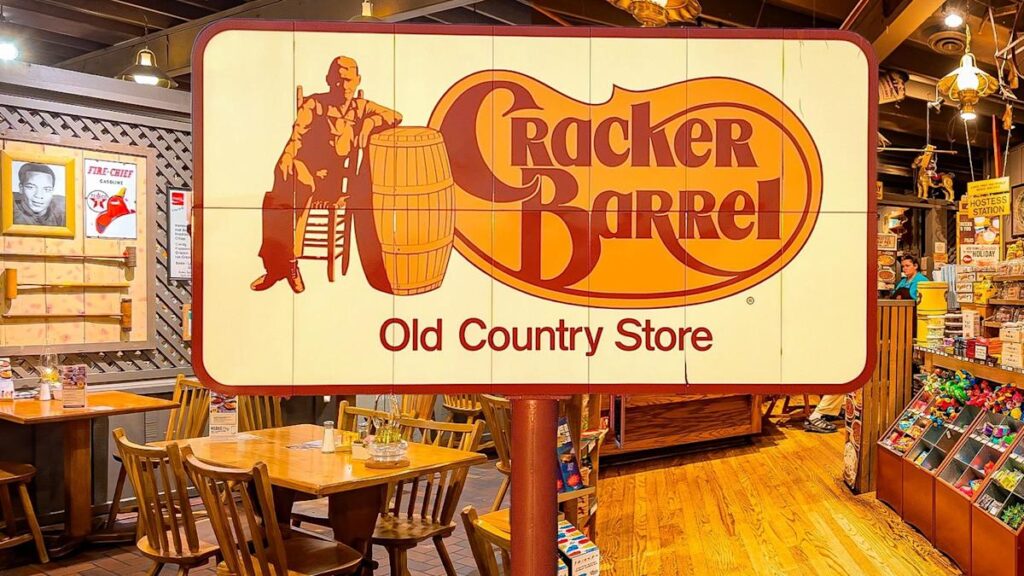
The shift comes at a moment of difficulty for Cracker Barrel. The company has struggled with declining sales, workforce layoffs, and a widely criticized rebrand in 2025 that saw it briefly remove its iconic Uncle Herschel mascot from its logo and modernize its look — a move that provoked backlash and rapid reversal.
This new dining guidance coincides with broader efforts to tighten budgets after a turbulent period for the chain. Many analysts and insiders see the policy as part of a larger push to restore financial stability and narrow discretionary spending.
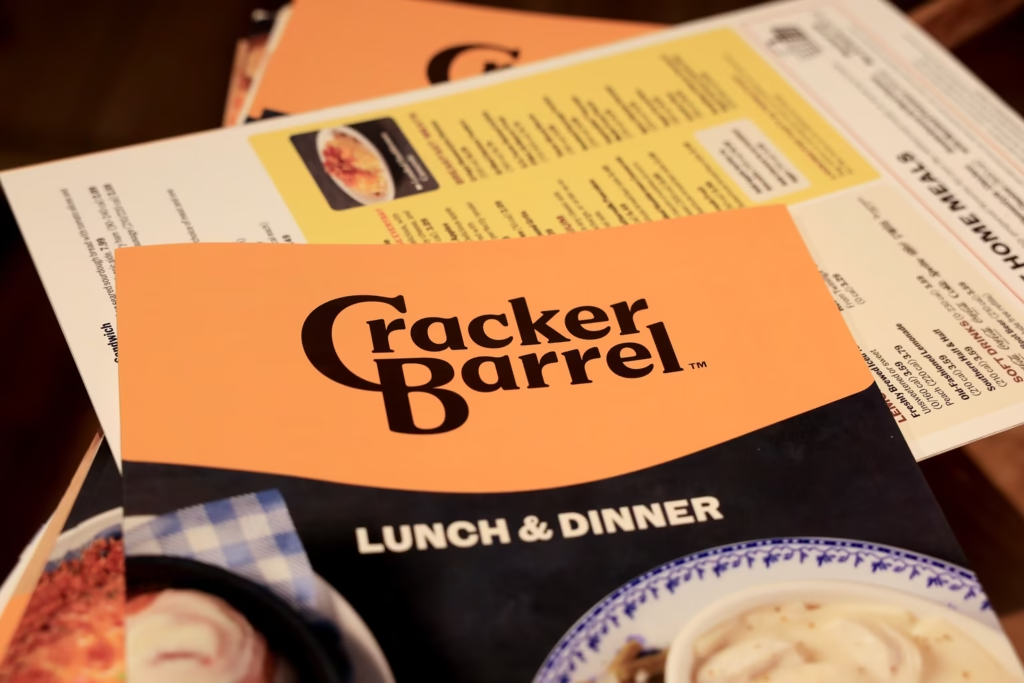
Other companies are trimming travel perks and expense allowances too, but Cracker Barrel’s focus on its own restaurants has resonated widely because it’s unusual for a brand to steer employee spending toward its own retail units in this way.
Employee and Public Reactions So Far
Initial reactions from employees and commentators have been mixed. Some employees shrugged at the guidance, noting they rarely expensed alcohol or fancy meals even before the change. For others, the policy highlights how perks of business travel — once a valued benefit — are shrinking as corporate travels return post-pandemic but under tighter budgets.
On social media and news comment sections, some critics question whether this step crosses into micromanagement, while others view it as a small but symbolic example of how companies are cutting costs. Some commentators even highlighted how this internal policy became public only because of the leaked memo phenomenon that amplifies corporate decisions today.
Wider Implications for Corporate Travel Culture
Cracker Barrel’s move also underscores a broader trend: “travelscrimping” — a term used to describe how companies are squeezing expenses on work trips, from cheaper hotel choices to less generous meal allowances.
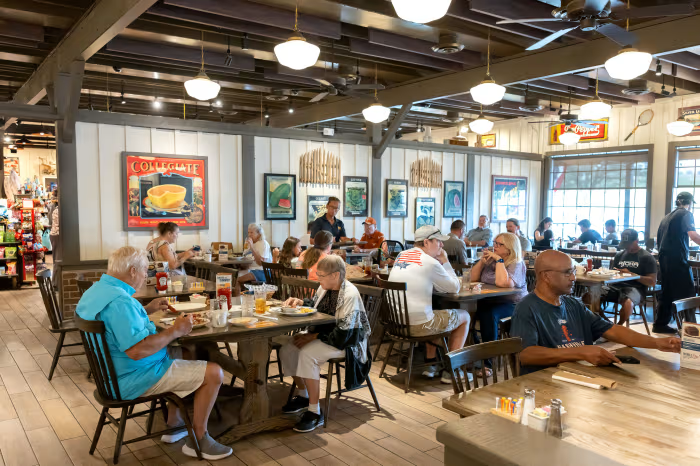
Among business travelers generally, there’s increasing pressure to justify each expense, align with federal reimbursement limits, or even absorb costs out of pocket if they exceed company caps. These trends reflect tighter fiscal discipline as inflation, economic uncertainty, and shifting workplace norms alter business travel.
For Cracker Barrel specifically, pushing employees to eat within its ecosystem — rather than issuing a broad per-diem allowance — suggests an attempt to keep spending within the brand while reinforcing its hospitality footprint. Whether this strategy pays off in morale or financial benefit remains to be seen.
What Happens Next at Cracker Barrel
Cracker Barrel has publicly clarified that the dining expectation is not mandatory nor entirely new, saying the policy existed previously and that employees have flexibility when needed. The company framed the update as chiefly about limiting alcohol reimbursements rather than forcing every meal to be at its restaurants.
However, the broader context of budget cuts, restructuring, and efforts to regain customer loyalty means this change may be part of larger adjustments planned throughout 2026. As the company works to balance tradition with financial discipline, further updates to travel or employee policies are possible.
Subscribe to trusted news sites like USnewsSphere.com for continuous updates.