Tesla’s Q4 2025 Results and Strategic Pivot Highlight Profit Beat, End of Model S/X Production, and Full Throttle Push Into AI, Robotaxis, and Robotics
Tesla reported strong fourth-quarter 2025 earnings, beating Wall Street expectations with a $0.50 EPS on $24.9 billion in revenue, while also announcing the end of Model S and Model X production and a dramatic shift toward artificial intelligence, robotics, and autonomous vehicles that executives say position Tesla to lead the next era of transportation and technology. The moves matter now because they signal a bold transformation of Tesla’s identity — from an electric car maker to a “physical AI company” — at a time when EV sales slow and competition intensifies.
Tesla’s Q4 2025 Financial Performance: Beating Expectations With a Transition Twist
Tesla’s fourth-quarter results surprised analysts with an earnings per share (EPS) of $0.50 versus a forecast of $0.45, and revenue of $24.9 billion, beating estimates — a performance that slightly lifted Tesla’s share price in after-hours trading. Gross margins reached their highest level in over two years, reflecting operational improvements even while vehicle deliveries dipped year-over-year. The company reported strong energy storage segment growth, which helped offset declines in automotive revenue. Despite some revenue contraction, these figures underscored the capacity to exceed investor expectations during a transitional period.
Tesla’s overall revenue for 2025 declined about 3% from the previous year, marking one of the rare annual declines in the company’s history. Vehicle deliveries were lower across traditional models, influenced by global EV market challenges and policy shifts, yet Tesla’s financial discipline and diversified revenue mix helped it finish the year on a positive note.
Ending Model S and Model X: Why It Matters and What Comes Next
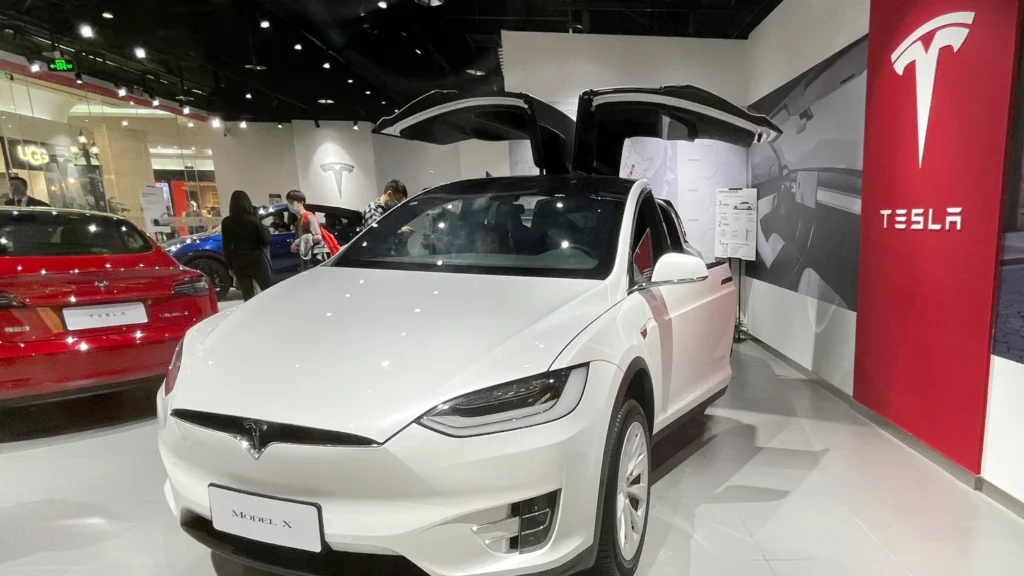
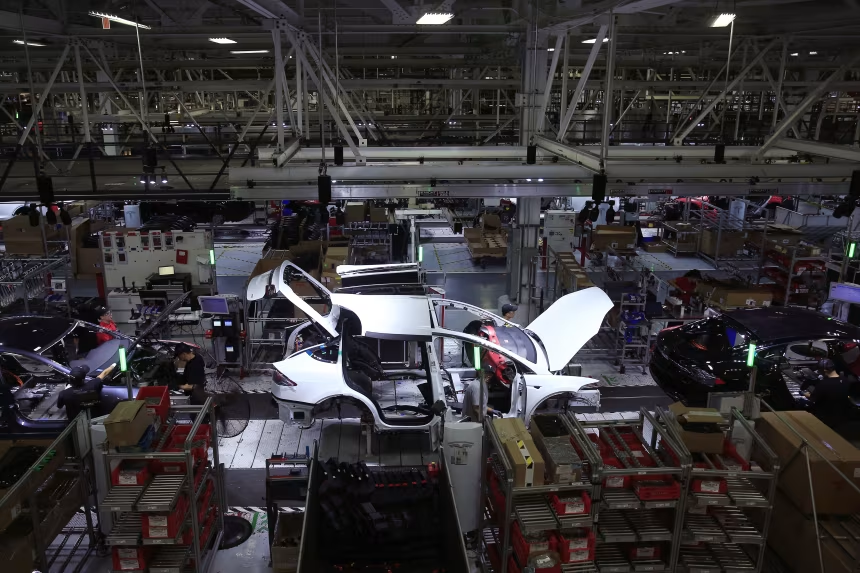
In a move that stunned many in the automotive world, Tesla CEO Elon Musk confirmed that production of the Model S sedan and Model X SUV will end by mid-2026 as the company reallocates factory space to future technologies, including the Optimus humanoid robot. Both vehicles, long staples of Tesla’s lineup, will be phased out to accelerate production of robotics and autonomous platforms at Tesla’s Fremont, California factory.
This decision matters now because it represents one of the boldest strategic shifts in Tesla’s history — signaling clear confidence in AI-driven revenue streams over traditional hardware sales. Tesla’s ability to support existing owners after production ends has been emphasized, but prospective buyers are being urged to act while final units remain available.
Strategic Shift to Autonomous Tech: Robotaxis, Optimus Robots, and xAI Investment
Tesla’s earnings call revealed that the company plans to invest over $20 billion in capital expenditures in 2026, a significant increase aimed at scaling robotics, autonomous vehicle infrastructure, AI chip production, and energy solutions. Musk also revealed a $2 billion investment into his AI company, xAI, further blurring the lines between Tesla’s automotive roots and its future as an autonomous and robotics powerhouse.
One key focus is the fully autonomous Cybercab robotaxi, expected to begin production this year with the longer-term goal of deploying fleets in dozens of U.S. cities. Tesla’s robotaxi goals are ambitious — and while past rollout targets have been missed or delayed, the company insists autonomous services will be a major future revenue source.
Separately, Tesla’s Optimus humanoid robot program is slated for production this year, with public sales expected in 2027. This initiative reflects Musk’s belief that robotics will be integral to the company’s identity and a key differentiator in future markets.
Market Context and Competitive Pressure
Tesla’s strategic pivot comes amid broader industry pressures. Global electric vehicle sales growth has slowed, and competitors — most notably China’s BYD — have gained ground, overtaking Tesla in total sales volume. This shift challenges Tesla’s historical dominance and underscores why the company is doubling down on AI and autonomy to differentiate itself.
At the same time, changes to EV tax incentives and broader macroeconomic factors have impacted consumer demand for premium EV models. Tesla’s decision to retain the popular Model 3 and Model Y while phasing out its higher-end offerings suggests a recalibration toward models with greater volume potential.
Investor Reaction and Future Outlook
Investors have responded with cautious optimism; Tesla’s stock ticked higher after the earnings release, reflecting confidence in the company’s long-term vision despite near-term delivery challenges. Analysts note that beating earnings expectations and expanding into AI could justify Tesla’s high valuation if the company succeeds in commercializing robotaxis and robotics.
However, sentiment remains mixed. Some experts warn that shifting focus too quickly away from a core revenue engine — vehicle production — could expose Tesla to greater risk if new technologies face regulatory or adoption hurdles. The next few quarters will be critical in validating Musk’s strategy and Tesla’s ability to deliver on its ambitious roadmap.
What This Means for Consumers and the EV Market
For consumers, the discontinuation of the Model S and Model X marks the end of a classic era in electric vehicle history. These flagship models helped define Tesla’s brand and performance image. Their phase-out signals a new chapter focused on scalable, technology-driven solutions that prioritize autonomy and AI capabilities.
For the broader EV market, Tesla’s transformation underscores how shifting consumer preferences, competitive dynamics, and technological disruption are reshaping the industry. Whether Tesla’s bold pivot will pay off remains to be seen, but the company has undeniably set the stage for its next evolution.
Subscribe to trusted news sites like USnewsSphere.com for continuous updates.