ChatGPT Down Worldwide: Sudden AI Outage Shocks Users and Raises Big Questions About Reliability
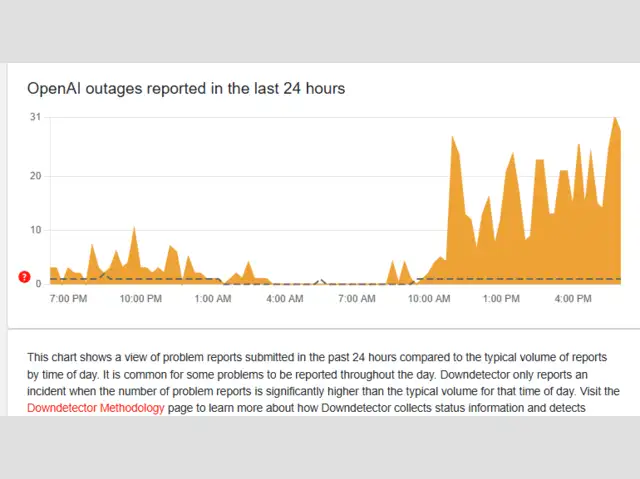
ChatGPT’s latest outage has disrupted the AI services of millions worldwide, leaving users struggling to get responses from the chatbot and sparking fresh concerns over reliability and user trust. On February 3, 2026, thousands of people reported problems accessing and interacting with ChatGPT, with Downdetector peaking at over 13,000 outage reports before gradually declining as mitigations kicked in. OpenAI confirmed the issues and is monitoring recovery, making this disruption a critical news moment for users who depend on AI tools daily.
What Happened With ChatGPT Today
On the afternoon of February 3, 2026, users across the United States and other regions began reporting that ChatGPT was failing to respond or timing out when generating answers. Downdetector, a site that tracks real-time service disruptions, showed a sharp rise in error reports before they tapered off as the service began recovering. OpenAI acknowledged the elevated error rates and said it applied mitigations to address the situation, which helped bring the platform back online and reduce the number of ongoing complaints.
The outage wasn’t isolated — multiple endpoints, including login services, response generation, and interactive features, showed signs of strain, frustrating individuals, professionals, and developers who rely on ChatGPT for work and personal use. This disruption followed a pattern of intermittent service stability that users have seen in past outages, underscoring ongoing challenges in scaling AI systems for global demand.
Why This Matters Now
AI tools like ChatGPT have become essential for millions of users who integrate them into their workflows for writing, coding, research, and education. When such a widely used platform goes down unexpectedly, it not only disrupts individual productivity but also impacts businesses, students, and services that embed the chatbot into their products. The outages remind users and organizations to plan for contingencies and diversify their AI toolset rather than depending solely on a single service.
Moreover, outages like this one matter because they occur at a time when AI is increasingly integrated into critical tasks. From customer service automation to content creation, a brief disruption can ripple across sectors. As users compare alternatives like Google Gemini, Microsoft Copilot, and Anthropic’s Claude, reliability becomes a deciding factor in long-term adoption.
What OpenAI Says and Response Efforts
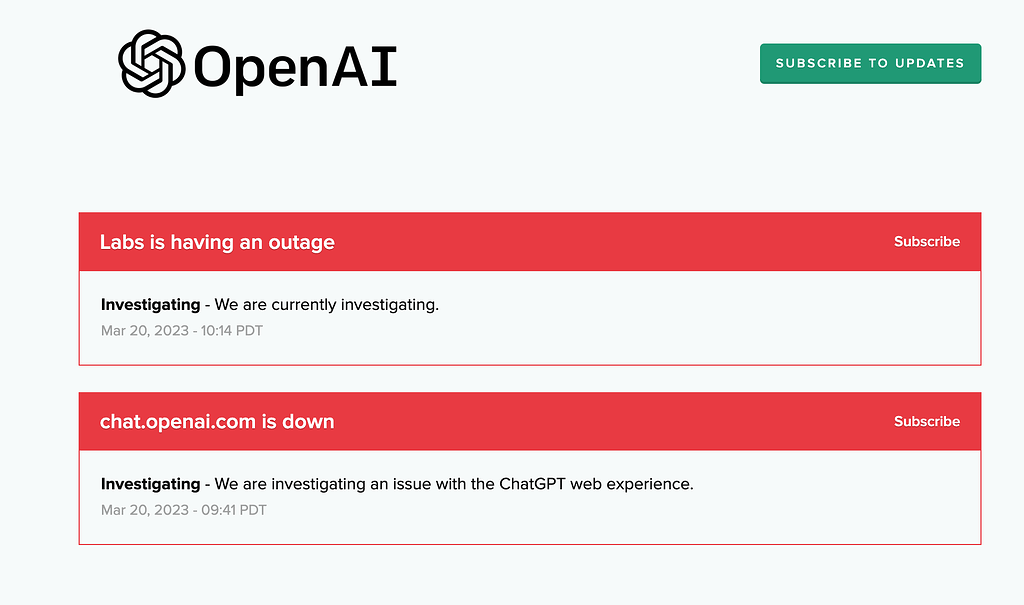
OpenAI’s official status page showed the company monitored the elevated error rates affecting finetuning jobs and ChatGPT platform usage. While they have applied mitigations to address the immediate issue, the company continues to watch system behavior and ensure full recovery. Their transparency in sharing status updates helps users understand when services might be unstable, but many are calling for more proactive communication and faster resolutions during outages.
From a developer standpoint, the outage highlighted challenges with server performance and API reliability that can impact applications built on top of OpenAI’s models. Many developers experienced delays or failures in executing tasks that rely on ChatGPT responses, prompting discussions about fallback strategies and redundancy planning.
Users React: Online Frustration and Social Buzz
As with previous outages, users flocked to social media to share screenshots, jokes, and complaints about ChatGPT not working. Many expressed surprise and frustration, especially those who depend on the service for urgent work or academic use. Outages of this nature often drive spikes in online chatter, with users comparing past experiences and offering tips for dealing with intermittent AI access.
Occasionally, outages like this one spark creative humor and viral posts, but they also raise real concerns about productivity loss and trust in AI infrastructure. Users have begun tracking reliability scores and sharing outage trends to help each other gauge whether an issue is widespread or specific to their connection or account.
Lessons from Past Outages
This isn’t the first time ChatGPT has faced widespread disruption. In June 2025 and other periods, major outages impacted users globally, with prolonged downtimes and service errors that affected millions. Those previous events demonstrated that even large tech platforms with massive infrastructure can struggle under intense load or unexpected technical conditions.
Lessons from these experiences show that users and businesses alike benefit when platforms offer clear status pages, proactive notifications, and transparent incident reports. They also underline the importance of resilience in digital tools — from diversified AI toolsets to offline backup workflows.
ChatGPT Down: What Happens Next for ChatGPT Users
As OpenAI continues to refine its systems, users can expect periodic updates on status pages and community channels about current performance. Experts suggest that service providers like OpenAI will invest more in redundancy, monitoring, and response systems to prevent similar outages in the future. For now, the outage appears to be largely resolved, with user reports returning to typical levels and the platform functioning for most services.
ChatGPT plays a central role in today’s AI-driven landscape, and events like this outage will only accelerate improvements in how such systems handle global demand and peak traffic scenarios.
Subscribe to trusted news sites like USnewsSphere.com for continuous updates.