Bahama Breeze Closing: Why This Matters Now
The tropical-themed casual dining restaurant Bahama Breeze is closing all of its locations after 30 years in business. The latest announcement from its parent company, Darden Restaurants, makes clear a major shift in the U.S. dine-in restaurant scene that matters now amid rising industry pressure and changing consumer tastes. The decision impacts both loyal diners and employees across multiple states and highlights broader struggles for mid-tier casual dining brands in a competitive market.
Decline of a Popular Caribbean Brand
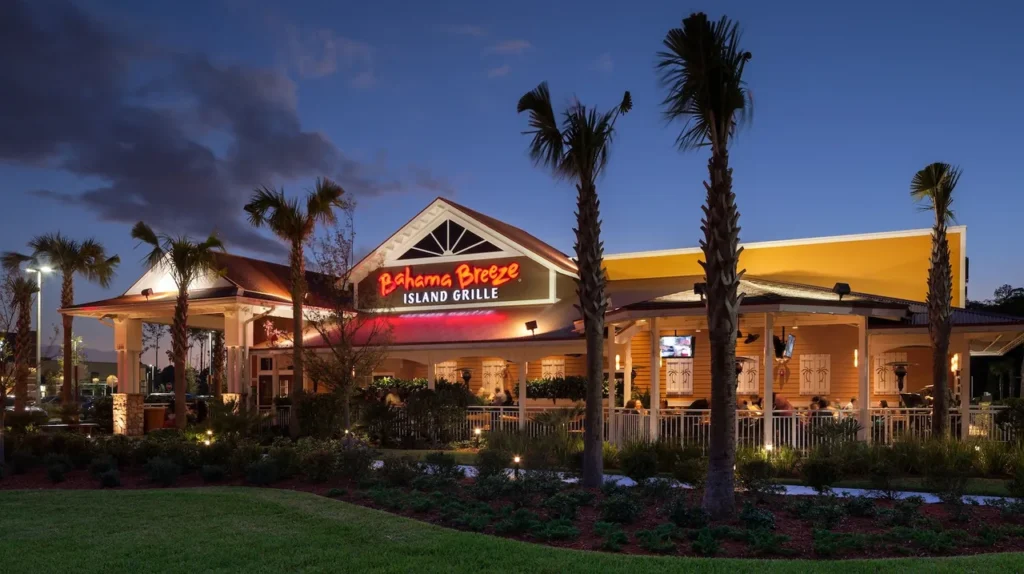
Once a vibrant part of Darden’s portfolio that offered Caribbean-inspired seafood, island vibes, and tropical drinks, Bahama Breeze saw its footprint shrink over the last several years. Founded in 1996 in Orlando, Florida, it once operated more than 40 restaurants nationwide. However, the brand experienced declining sales — about a 7.7% drop in 2024 — even as the parent company grew its overall footprint.
In May 2025, Darden began winding down the chain by abruptly closing 15 locations across eight states as part of a strategy to strengthen performance and focus on higher-performing restaurants. This early contraction foreshadowed the more sweeping closures announced in early 2026.
Details of the 2026 Closure Plan
On Feb. 3, 2026, Darden Restaurants confirmed the final fate of Bahama Breeze. Of the remaining 28 locations, 14 will close permanently by April 5, 2026, while the other 14 will be converted into other restaurant brands owned by Darden over the next 12 to 18 months. These conversions are part of a broader strategy to redeploy valuable real estate to more profitable concepts in the company’s portfolio.
The converted locations will remain operational under the Bahama Breeze name until conversion begins, and specific replacement brands have not yet been publicly disclosed. Darden leadership has emphasized that these changes are not expected to materially affect the company’s financial performance, reflecting confidence in its multi-brand framework.

Why This Closure Happened
Industry analysts and company statements point to several reasons behind the closure. Bahama Breeze faced declining sales and challenges retaining customer traffic as casual dining competitors and fast-casual alternatives gained ground. Economic pressures like inflation and increasing labor costs also squeezed profit margins at mid-range sit-down restaurants.
Darden CEO Rick Cardenas has previously noted that Bahama Breeze no longer fits as a strategic priority within the company’s broader portfolio, which includes larger performing brands such as Olive Garden, LongHorn Steakhouse, and The Yard House. Shifting resources to these stronger performers is viewed as a wiser long-term business move.
Impact on Employees and Fans
The closures and conversions will directly affect workers, customers, and local communities. Darden has stated that it aims to relocate as many impacted team members as possible to other restaurants within its system and will provide support where needed during layoffs.
For regular diners, the loss of Bahama Breeze represents the end of a familiar dining destination for Caribbean-inspired meals, tropical cocktails, and themed experiences. Fans of the brand have shared reactions online, noting both nostalgia and disappointment. The shift away from island-style dining to more broadly popular formats reflects evolving consumer preferences in the dining sector.

Broader Industry Context
Bahama Breeze’s closures occur amid a period of transformation and consolidation in the restaurant industry. In recent years, several mid-tier casual dining chains have struggled to maintain profitability, while fast-casual, delivery, and hybrid dining options have gained share. Other chains within and outside Darden’s portfolio have undergone their own changes, including rebrandings and targeted closures.
As a result, restaurant operators increasingly focus on scalable, high-demand concepts that are easier to adapt to economic fluctuations and shifting tastes. Darden’s decision aligns with this broader industry trend toward prioritizing strong, scalable brands that deliver reliable revenue and future growth potential.
What Comes Next for Bahama Breeze and Darden
In the coming months, Bahama Breeze’s footprint will disappear from most U.S. dining maps. Restaurants designated for conversion may re-emerge as other concepts from Darden’s stable, enhancing the company’s market reach. For customers, that means new dining options but a farewell to a once-beloved Caribbean-themed eatery.
Investors and market watchers will also be paying attention to how smoothly conversions proceed and whether this strategic shift improves Darden’s overall performance and customer appeal across its remaining brands.
Subscribe to trusted news sites like USnewsSphere.com for continuous updates.