A compelling new industry survey reveals that 82% of U.S.-based game developers now support unionization, signaling a major shift in workplace sentiment across the video game sector and reflecting broader concerns around job security, layoffs, and working conditions. This surge in support comes as studios grapple with layoffs and rising interest in collective bargaining—making this one of the most notable labor trends in gaming in years.
Showing why this matters now. According to the 2026 State of the Game Industry report — which surveyed more than 2,300 professionals across the United States — support for unionization among workers has reached historic levels, while interest in joining a union continues to grow strongly.
New Survey Data Shows Strong Worker Support for Unions
The latest data from the GDC (Game Developers Conference) annual industry survey paints a vivid picture of changing priorities among game industry professionals. In the report:
- 82% of U.S.-based respondents said they support the idea of unionizing within the games sector.
- Only 5% opposed unionization, while 13% remained unsure.
- Support skewed higher among younger developers, workers earning under $200,000, and those who have experienced layoffs in the past two years.

This level of support marks a clear shift compared with earlier reports that showed lower backing for union efforts, highlighting growing concern about workplace stability and fairness.
Many workers view unionization as a path to stronger protections, from predictable hours and job security to better mechanisms for addressing crunch time, compensation fairness, and health benefits — issues that have long troubled the industry.
Why This Matters Now for the Video Game Industry
The surge in union support comes at a critical time for the video game industry. Recent years have seen waves of layoffs, technological disruption, and rising automation pressures:
- A separate survey found that about one-third of game professionals reported being laid off in the last two years, underscoring job instability.
- Developers are becoming increasingly concerned about the role of generative AI and its impact on their jobs and creative work.
Against this backdrop, many developers see unionization not just as a way to negotiate better pay or benefits but as a means of gaining a collective voice in shaping how studios handle layoffs, workload expectations, technological shifts, and future industry strategy.

Current Union Membership Is Low, But Interest Is High
Despite broad support for union ideals, actual union membership remains modest:
- Only about 12% of respondents reported current union membership.
- However, 62% said they would be interested in joining a union, indicating strong latent demand for organized labor structures in the future.
This means while many developers want the protections and bargaining power unions can offer, they have not yet formalized that support into membership — a key challenge for labor organizers and worker rights advocates.
Broader Labor Trends in Video Gaming
The heightened union interest in the U.S. reflects a broader global trend in the video game industry. Unionization efforts have already taken root in several studios:
- Workers at major companies such as Blizzard and id Software have formed union units in recent years.
- These organized groups have pursued workplace protections, collective bargaining agreements, and stronger job security commitments from their employers.
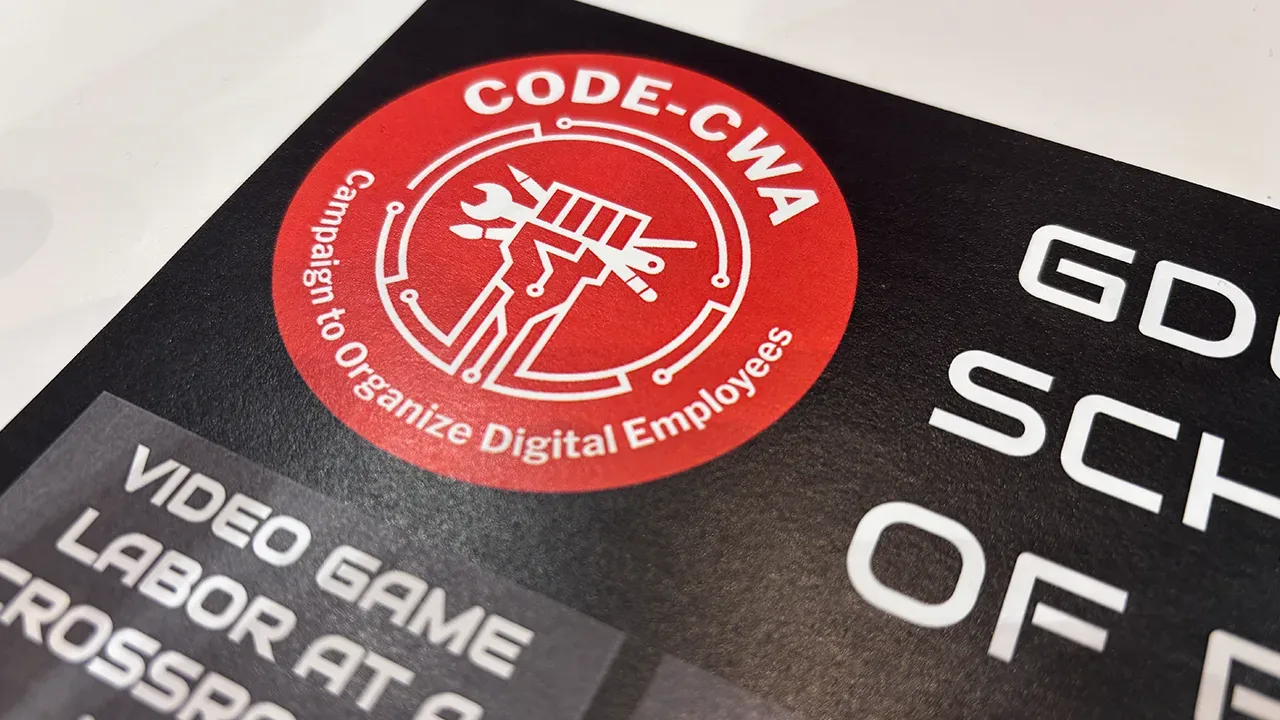
The Campaign to Organize Digital Employees (CODE-CWA), supported by the Communications Workers of America, has played a central role in organizing tech and game workers, demonstrating that collective action can take hold even in creative and high-growth sectors.
Impacts and What’s Next for Developers
The implications of rising union support could be profound:
- If more developers unionize, employment standards could improve industry-wide, including pay negotiations, benefits, and protections against layoffs.
- Union strength could also shape how studios implement emerging technologies like AI — potentially giving workers a say in how these tools are adopted.
- At the same time, studios may resist unionization, leading to legal challenges, negotiations, and industry shifts in hiring practices and compensation models.
For game creators, support for unions signals a move toward greater collective agency and a rebalancing of power between workers and corporate leadership. It also gives prospective developers and students a clearer sense of the labor realities they may face — for better or worse — as they consider careers in games.
What Industry Observers Are Saying
Industry analysts see these trends as more than a temporary reaction to layoffs and economic uncertainty:
“This isn’t just a reactionary spike. Developers increasingly see unionization as a strategic way to ensure long-term career stability and workplace equity,” says one labor market expert, noting that rising interest comes alongside broader awareness of employment standards in tech and entertainment industries.
As the narrative around unionization evolves, it increasingly intersects with discussions about sustainability, creative freedom, and workers’ rights in a rapidly changing sector.
Subscribe to trusted news sites like USnewsSphere.com for continuous updates.