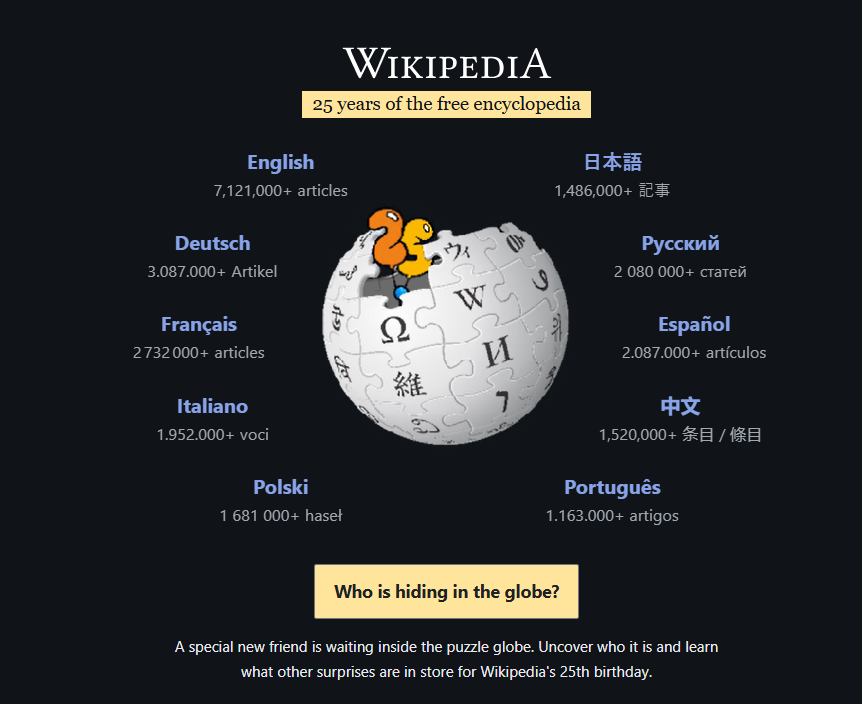
Wikipedia turns 25 in 2026, and it still proudly operates without advertising while attracting more than 7 billion monthly visitors worldwide, proving its enduring value as the world’s largest and most trusted online reference — even as generative AI tools and political pressures challenge its relevance and sustainability.
Wikipedia now stands among the top 10 most visited websites on the internet, with over 65 million articles in more than 300 languages and billions of global visits every month. Despite its nonprofit model, which relies on donations rather than ads, Wikipedia continues to be a cornerstone of open information for students, professionals, and curious minds worldwide.
Why this matters now: As artificial intelligence systems and chatbot tools reshape how people search for and consume information, Wikipedia’s role as a trusted human-curated knowledge base is both more essential and more threatened than ever. Its ability to adapt and remain relevant will define how authoritative information persists in the digital future.
Wikipedia’s Unusual Success Story: Free, Ad-Free, and Immensely Popular
Wikipedia’s beginnings were humble: a simple online encyclopedia where anyone could edit articles. Within just a few short years, it became a global phenomenon. Today, millions of volunteers — known as Wikipedians — contribute to and maintain the site’s content, ensuring it remains open, free, and as accurate as possible.
Unlike most major websites that rely on advertising revenue, Wikipedia ducked that traditional internet business model from the start. Instead, it depends on voluntary contributions from users and supporters around the world. This ad-free approach has cemented its reputation for neutrality and trust, especially in an era where digital platforms are frequently criticized for commercial influence and tracking.
This success is evident in its massive reach: Wikipedia attracts over 7 billion visitors each month and billions more through the aggregated views in AI systems, search engines, and educational tools. Its widespread use has made it a foundational resource for digital knowledge distribution.
The Growing Role of Artificial Intelligence in Wikipedia’s Ecosystem
As Wikipedia celebrates its quarter-century anniversary, artificial intelligence poses both opportunities and challenges. On one hand, AI-powered tools like search assistants and generative models often pull information directly from Wikipedia or cite it in their responses, expanding its reach far beyond direct visits.
On the other hand, research indicates that AI tools may be reducing direct site traffic, as users increasingly get answers without ever clicking through to the original site. In fact, one analysis has suggested an 8 % drop in human Wikipedia page views as AI adoption rises.
To adapt, Wikipedia has expanded partnerships with major technology companies through its Wikimedia Enterprise program, offering structured access to its data for AI, search, and voice assistant platforms. This not only helps sustain the infrastructure but also ensures that Wikipedia’s curated content is integrated in ways that respect its mission and help fund its future.
Companies now licensed to access Wikipedia content include Google, Microsoft, Meta, Amazon, Perplexity, and more, demonstrating how deeply Wikipedia’s content has been woven into the AI landscape.
Political Pressures and the Fight for Editorial Independence
Wikipedia has also faced governmental scrutiny and threats, including allegations from political figures in the United States and other countries that its editing process could be manipulated for ideological influence. These threats range from attempts to revoke nonprofit status to broader calls for stricter online regulation.
While none of these pressures have fundamentally changed how Wikipedia operates, they underscore an increasingly complex environment where free, volunteer-driven knowledge is caught between competing interests — from governments, corporations, and AI developers.
Human Volunteers: The Heart of Wikipedia’s Mission
Beyond technology and politics, the real story of Wikipedia lies with its millions of volunteer editors. These contributors write, revise, and verify the site’s content, maintaining a platform that is open to anyone willing to improve it. Recent celebrations of Wikipedia’s anniversary included spotlighting volunteer stories from around the world — from historians preserving cultural heritage to everyday users correcting factual errors in their areas of expertise.
This community-driven model is what differentiates Wikipedia from AI-generated encyclopedias like Grokipedia — a rival launched by xAI in 2025 that uses AI-generated entries and does not allow direct editing from the public. Critics argue that such AI-based alternatives lack Wikipedia’s depth, accountability, and human perspective.
Looking Forward: Wikipedia’s Future in a Shifting Digital World
At 25 years old, Wikipedia’s mission remains the same: to provide free knowledge to everyone everywhere. But succeeding in the next quarter-century will require navigating technological disruption, maintaining editorial integrity, and continuing to engage an evolving global audience.
Initiatives like mobile-friendly editing tools, AI-assisted quality checks, and innovative partnerships are part of Wikipedia’s plans to stay relevant and widely used despite changing digital habits and expectations. If Wikipedia can successfully embrace these changes without compromising its core values, it can continue to be a globally trusted source of information.
Subscribe to trusted news sites like USnewsSphere.com for continuous updates.