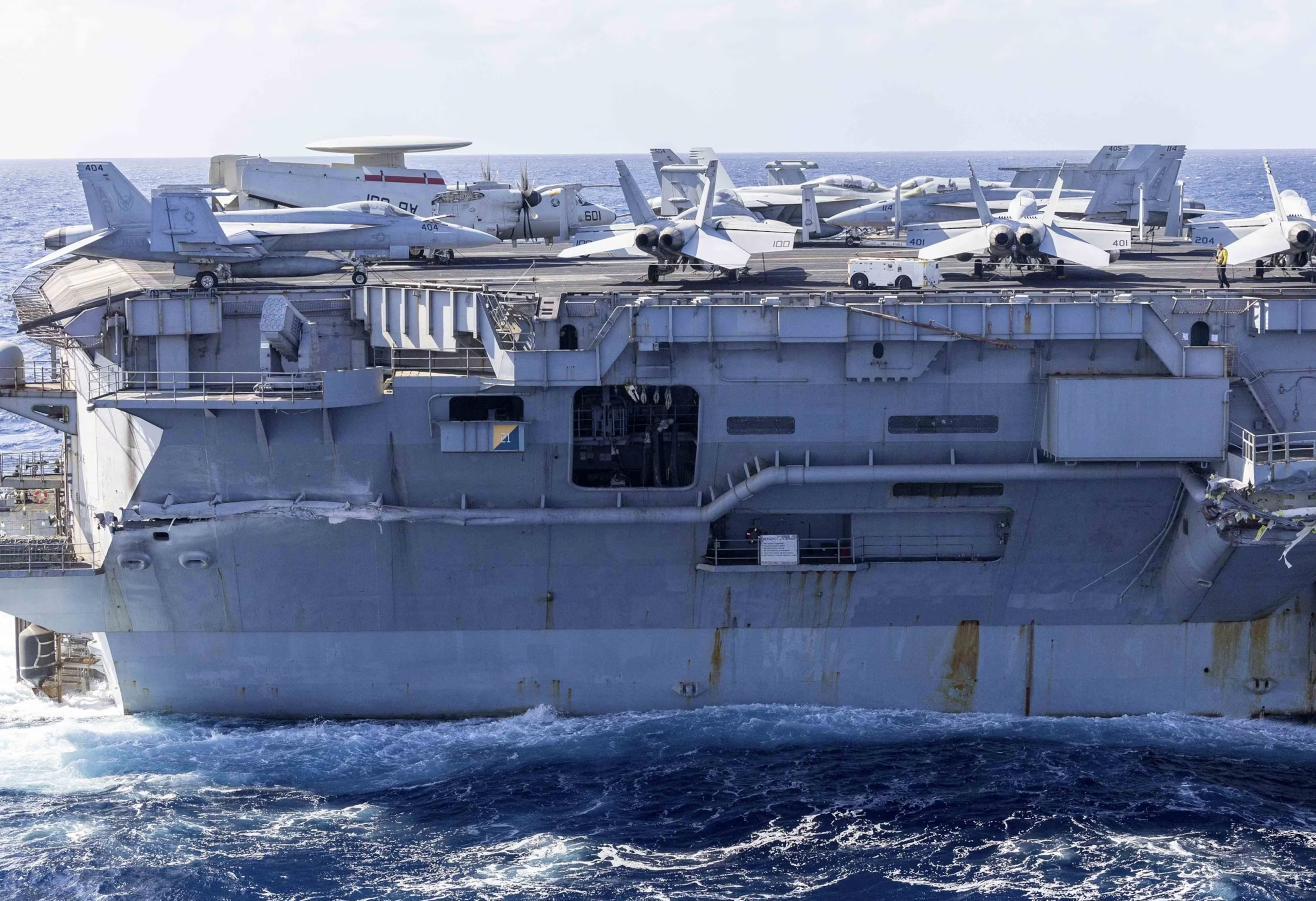
Why the U.S. Navy Ship Collision in the Caribbean Matters for U.S. Military Readiness and National Security is not just a dramatic headline—it reflects a serious operational event with strategic consequences for the United States. A U.S. Navy vessel operating in Caribbean waters was recently involved in a collision during routine maritime operations, triggering investigations and raising concerns about fleet readiness and maritime safety.
While no major combat engagement occurred, incidents like this are closely monitored by defense officials because even a single operational mishap can ripple across force posture, deployment schedules, and regional deterrence strategy. The Caribbean may appear far from global flashpoints, but it remains strategically vital for counter-narcotics missions, humanitarian response, and homeland defense.
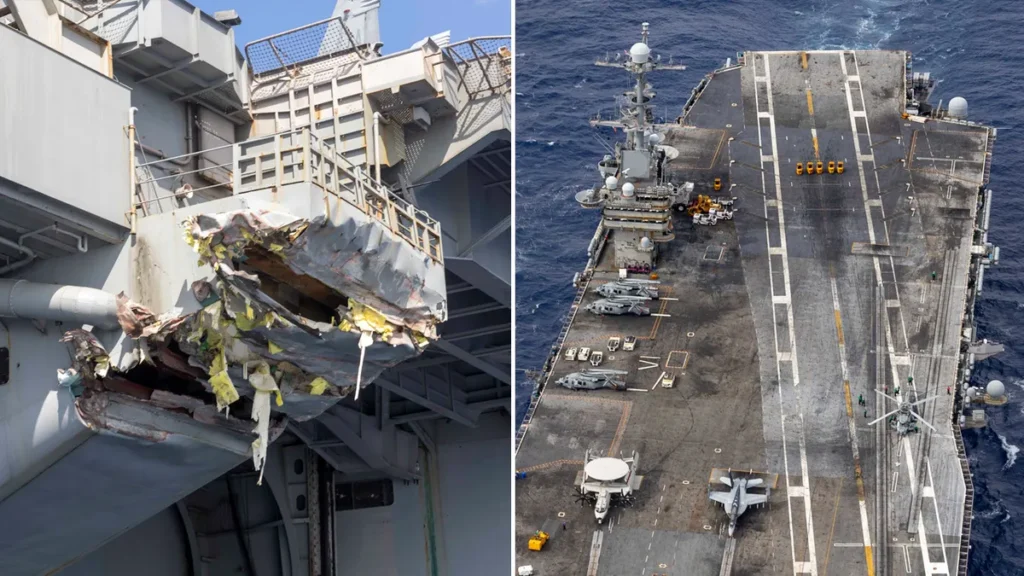
This article explains what happened, why it matters for U.S. military readiness, the financial and strategic implications, and what it means for American taxpayers and national security moving forward.
U.S. Navy Ship Collision in the Caribbean: What Happened
Preliminary reports indicate that the collision occurred during standard naval operations in the Caribbean Sea, involving a U.S. Navy vessel and either a commercial ship or another maritime object. While the Navy has confirmed damage to the vessel, early assessments suggest that the ship remains afloat and that injuries, if any, were limited.
The U.S. Navy routinely operates in the Caribbean for maritime security missions, including drug interdiction, joint exercises with regional allies, and freedom of navigation patrols. These operations are conducted under the broader umbrella of U.S. Southern Command (SOUTHCOM), which oversees military activities in Central America, South America, and surrounding waters.
An official investigation is underway to determine whether navigational error, equipment malfunction, environmental conditions, or human factors contributed to the collision. The Navy typically convenes a formal safety investigation board to assess accountability and systemic weaknesses.
Why It Happened
Naval collisions are rarely caused by a single failure. Instead, they often result from layered operational stress, procedural lapses, and environmental challenges. High operational tempo—meaning frequent deployments and limited downtime—can strain crews and increase the risk of error.
The Caribbean region presents unique navigational complexities. Heavy commercial traffic, cruise ships, fishing vessels, and narrow maritime corridors create dense traffic patterns. Even with advanced radar, satellite navigation, and collision-avoidance systems, close-quarter maneuvers require precision and constant vigilance.
There is also the broader readiness factor. Over the past decade, the Navy has faced scrutiny over maintenance backlogs, aging vessels, and crew fatigue. Following high-profile incidents involving the United States Navy in previous years, reforms were introduced to strengthen seamanship training and command oversight. Any new collision inevitably reignites questions about whether those reforms have fully addressed systemic issues.
Who Is Affected
The most immediate impact falls on the ship’s crew and command structure. Sailors may face operational delays, additional training reviews, or administrative consequences depending on investigative findings. Ship commanders are held to exceptionally high accountability standards in collision cases.
Strategically, the U.S. Navy’s regional partners are watching closely. Caribbean and Latin American nations rely on U.S. naval presence for joint security initiatives, particularly anti-trafficking operations. A temporarily sidelined vessel could affect patrol schedules and coordinated missions.
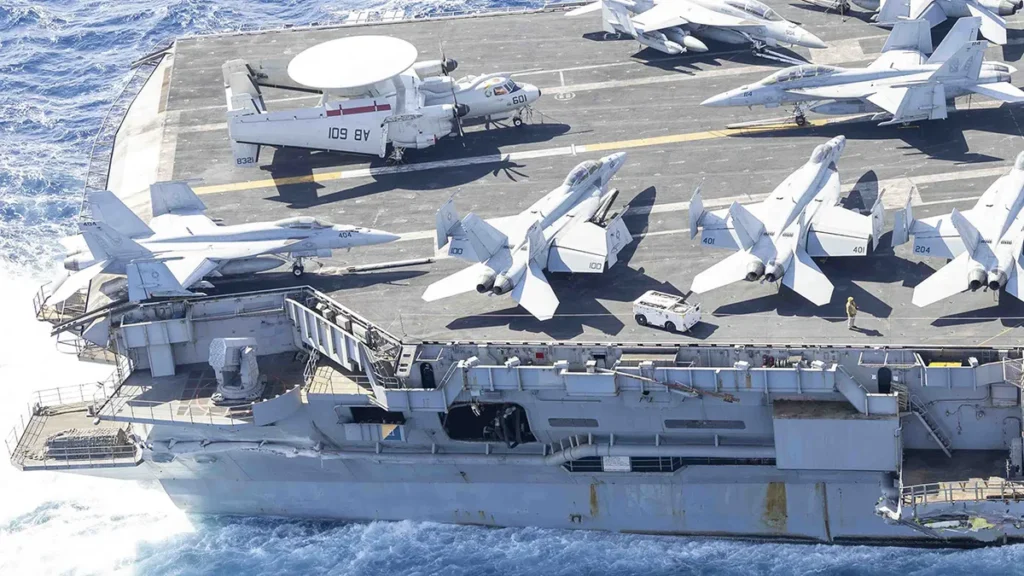
At a broader level, adversarial states also monitor such events. Even routine mishaps can be amplified in global information campaigns. Maintaining credibility in military readiness is essential not only for operational effectiveness but also for strategic messaging.
Financial or Economic Impact
Naval collisions carry significant financial consequences. Repair costs for modern warships can range from tens of millions to hundreds of millions of dollars, depending on structural damage, propulsion systems, and electronic equipment affected. Advanced destroyers, amphibious ships, and support vessels contain highly specialized systems that require dry-dock repair in designated naval shipyards.
The U.S. defense budget for fiscal year 2025 exceeds $800 billion, with ship maintenance and modernization accounting for a substantial portion. Unexpected repair expenses can disrupt planned upgrade cycles or delay other scheduled maintenance operations.
There is also the indirect economic impact. When a vessel is removed from service for repairs, replacement ships may need to extend deployments. Extended deployments increase fuel consumption, operational wear, and personnel overtime costs. Over time, repeated incidents can influence long-term procurement strategies and budget allocations.
Defense contractors may benefit from repair contracts, but from a taxpayer perspective, collision-related costs represent unplanned expenditures. Lawmakers may request hearings to evaluate oversight and fleet management efficiency, particularly if systemic readiness concerns emerge.
What Happens Next
The Navy’s formal investigation will determine the sequence of events leading to the collision. Findings typically include recommendations related to training, command procedures, equipment upgrades, or structural reforms.
If human error is identified, disciplinary action may follow. If mechanical or system failure is implicated, broader fleet-wide inspections could be ordered. In past incidents, collision investigations have resulted in adjustments to watchstanding procedures, fatigue management policies, and navigation training programs.
Repairs will likely take place at a U.S. naval shipyard or authorized maintenance facility. Timelines depend on damage severity, parts availability, and dry-dock scheduling capacity.
What This Means for Americans
For American citizens, naval incidents in the Caribbean might feel distant. However, maritime security directly affects homeland defense, trade routes, and regional stability. The Caribbean serves as a gateway for commercial shipping entering the Gulf of Mexico and the East Coast.
Operational readiness is not simply about wartime combat. It also involves disaster response. The U.S. Navy frequently deploys to the Caribbean during hurricanes to deliver humanitarian assistance. A temporarily disabled vessel could limit surge capacity during natural disasters.
From a governance standpoint, incidents like this reinforce the importance of accountability in defense spending. Americans expect that billions invested in military infrastructure translate into safety, professionalism, and operational excellence.
Frequently Asked Questions
Was anyone injured in the collision?
Initial reports indicate limited or no serious injuries, but official confirmation depends on the final investigative findings. In naval incidents, even minor injuries are carefully documented, and medical evaluations are mandatory for all involved personnel.
The Navy typically releases injury updates once immediate safety assessments are complete. Transparency in such cases is part of maintaining public trust and congressional oversight.
Does this reduce U.S. military strength in the region?
In the short term, the removal of a single vessel may affect patrol scheduling but does not fundamentally weaken U.S. regional presence. The Navy maintains layered force structures with overlapping capabilities.
However, repeated incidents across multiple fleets could strain operational flexibility. That is why readiness reviews are taken seriously.
How common are Navy ship collisions?
Collisions are relatively rare given the scale of global naval operations. The U.S. Navy operates hundreds of ships worldwide, logging millions of nautical miles annually. Still, even rare incidents are highly scrutinized because of the potential for loss of life and strategic implications.
Past high-profile collisions led to major training and command reforms aimed at improving maritime situational awareness and fatigue management.
Who pays for the damage?
Repair costs are typically covered within the Navy’s operations and maintenance budget. If another vessel was involved and liability is determined, insurance and legal negotiations may occur.
Ultimately, U.S. taxpayers fund naval repair operations through the federal defense budget.
Could this incident impact future defense policy?
Yes. Significant collisions often prompt congressional hearings, defense audits, and policy recommendations. Lawmakers may push for enhanced training standards, additional funding for maintenance, or modernization of aging ships.
Defense strategy evolves continuously, and operational incidents frequently serve as catalysts for reform.
Conclusion
Naval operations are inherently complex, but collisions involving U.S. military vessels are more than isolated accidents. They intersect with national security credibility, fiscal responsibility, and strategic deterrence. Even when casualties are minimal, the broader implications extend into readiness planning and geopolitical signaling.
The Caribbean remains a strategically vital region for maritime security, trade protection, and disaster response. Ensuring that U.S. naval forces operate safely and efficiently is central to maintaining both national security and public trust. As investigations proceed, policymakers and defense officials will weigh not just the technical causes of the collision, but what it reveals about long-term fleet management and operational resilience.
Subscribe to trusted news sites like USnewsSphere.com for continuous updates.