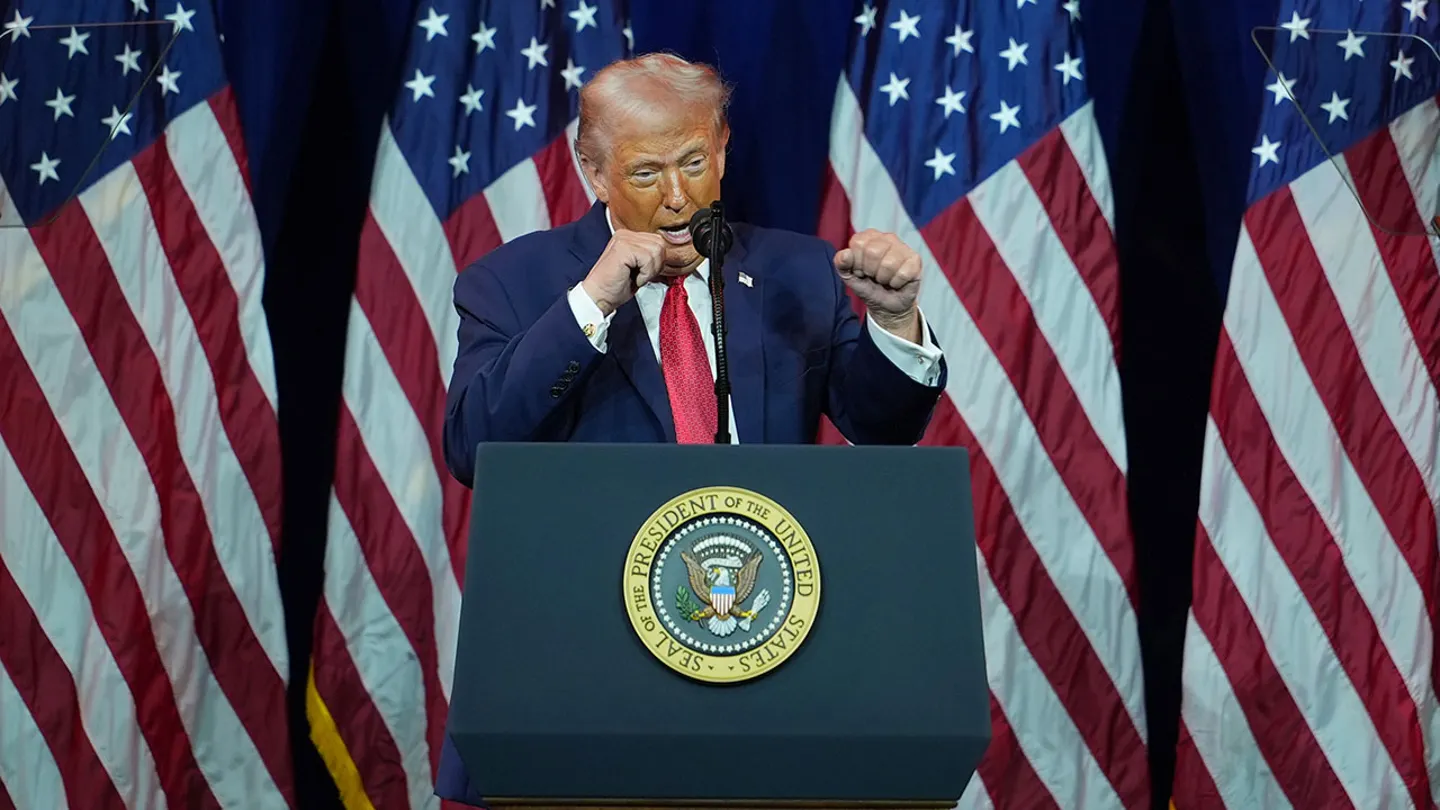
In a sharply worded address to Republican lawmakers, President Donald Trump declared that Democrats are “meaner” than Republicans and cautioned that if the GOP fails to hold onto Congress in the upcoming 2026 midterm elections, Democratic leaders will pursue a third impeachment against him. This stern warning underscores the intensifying political divisions in the United States and highlights how deeply the midterm elections could shape the future of American politics. Trump’s remarks, delivered at a House Republican policy retreat in Washington, reflect growing concern within the Republican Party about its narrow majority in the House and the risks of losing control of power in Congress.
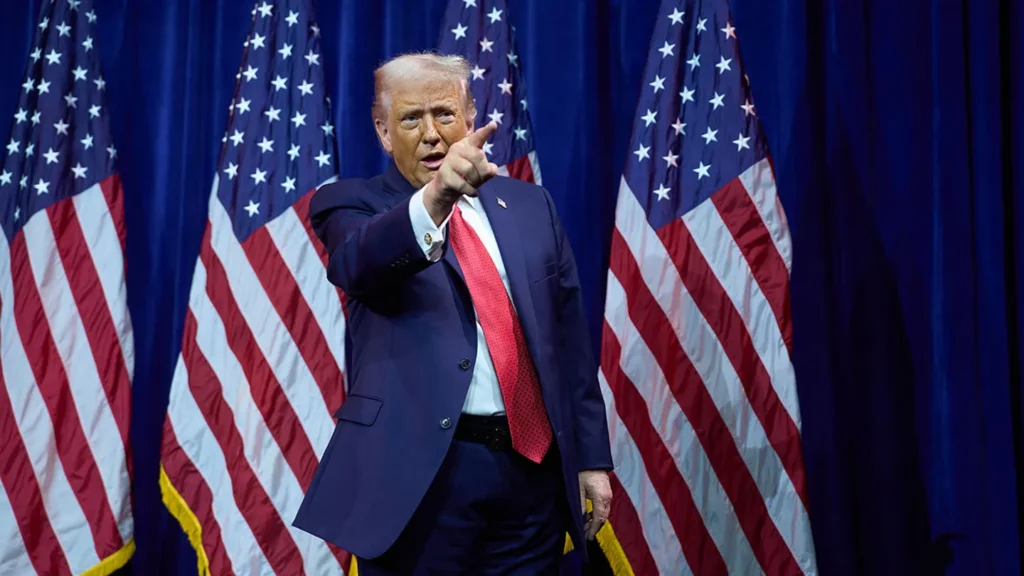
Trump’s latest message to lawmakers wasn’t just a political pep talk — it was a stark prediction of what could come if Republicans falter in November. He tied the party’s electoral success directly to his own political survival, framing the midterms as more than just a routine election but as a critical battle for control of Congress and the direction of national governance. His rhetoric reflects real anxiety among Republicans as the party faces internal divisions, competing policy priorities, and concerns over voter sentiment closely tied to economic issues and national leadership.
Trump’s Message to House Republicans: Win Midterms or Face Impeachment
President Trump’s central warning was clear: Republicans must secure victories in the 2026 midterm elections or risk losing Congress to the Democrats — and with that loss, he says, will come a renewed push to impeach him. Speaking at the newly renamed Trump Kennedy Center in Washington, D.C., Trump told lawmakers, “You got to win the midterms — because if we don’t win the midterms, they’ll find a reason to impeach me.”
Trump reiterated his view that Democrats are more aggressive and strategically motivated than Republicans, characterizing them as “mean and smart” adversaries whose policy positions, in his view, are deeply unpopular with voters but who will not hesitate to pursue impeachment proceedings if they regain legislative control.
His comments echo political tensions that have defined much of his presidency. Trump was previously impeached twice — first in 2019 over Ukraine-related charges and again after the January 6 Capitol attack — though he was acquitted by the Senate on both occasions. This history looms large over his current warning, as he frames the potential for another impeachment as almost inevitable should Democrats lead Congress after November.
Political Stakes of the 2026 Midterms
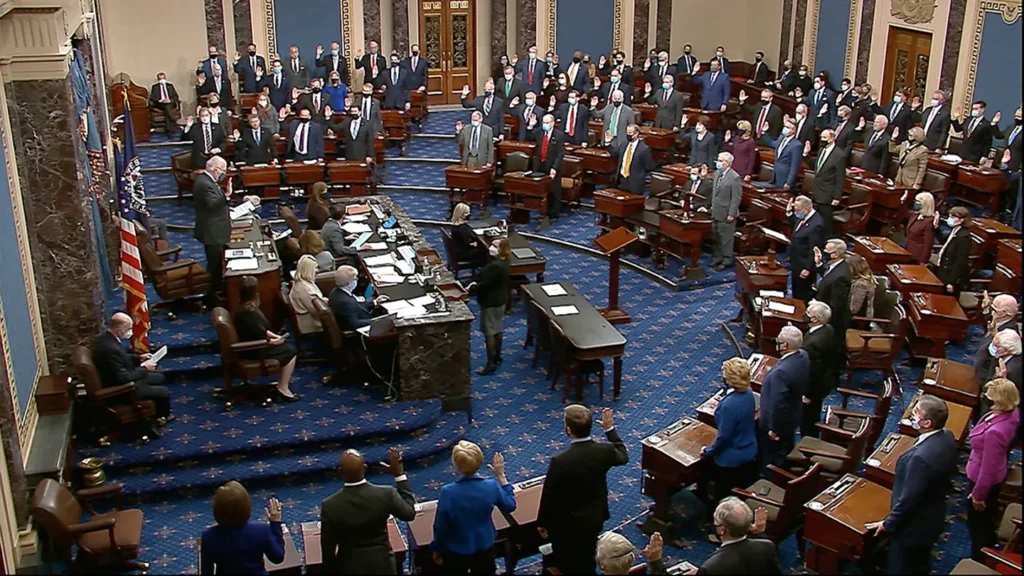
The 2026 midterm elections are shaping up to be among the most consequential in recent American history, not only determining which party controls Congress but also affecting the legislative agenda for the coming years. With Republicans holding a slim majority in the House — just a few seats above the Democratic bloc — the balance of power is precariously close. A shift in seats could hand control of the chamber back to Democrats, amplifying Trump’s concern about a renewed impeachment push.
The president’s message to lawmakers wasn’t limited to warnings about impeachment. He urged Republicans to present a united front on key issues that resonate with the electorate, including healthcare reform, economic policy, and efforts to curb crime. While stressing Republican policy achievements, Trump also acknowledged that the party cannot afford complacency and must be strategic to retain voter support and stave off Democratic advances.
Economists and pollsters also note that voter sentiment about national issues — especially regarding the economy — could heavily influence midterm outcomes. With inflation, job creation, and healthcare affordability top of mind for many voters, midterm races across the country are expected to hinge on how effectively each party connects with public priorities. Though Trump’s warnings focus on impeachment and party loyalty, broader political concerns may play just as significant a role in determining who wins control of Congress.
Why Trump Calls Democrats ‘Meaner’ Than Republicans
Trump’s use of the word “meaner” to describe Democrats reflects more than personal animosity — it is part of a broader rhetorical strategy aimed at energizing Republican voters and framing the Democrats as vindictive political opponents. He argued that Democrats would pursue impeachment more aggressively than Republicans ever did, pointing to what he claims are disproportionate political attacks against him and his allies.
This kind of rhetoric is typical of Trump’s political communication style. By portraying the opposition as hostile and relentless, he aims to rally his base around the perception of a relentless partisan fight. His supporters often echo this narrative, reinforcing beliefs that Democrats will use procedural tools of government, such as impeachment powers, to undermine Republican leadership and obstruct policy goals.
Analysts note that such language may also be designed to motivate Republican voters who feel politically marginalized or frustrated by recent policy disputes — from healthcare and economic regulation to immigration and education. By emphasizing emotional frames like strength, mean-spiritedness, and memory of past political battles, Trump seeks to frame the election not just as a policy contest but as a broader ideological struggle.
How Democrats Are Responding to the Warning
Democratic leaders have pushed back against Trump’s warnings, characterizing his narrative as fear-inducing political theater. They argue that elections should be decided on issues that matter to everyday Americans, including economic stability, healthcare access, and infrastructure investment, rather than threats of impeachment or personal political survival. Democrats also contend that portraying political opposition as “mean” is a distraction from pressing national concerns.
Instead of engaging with Trump’s rhetoric line by line, Democratic lawmakers have sought to underscore their legislative priorities — including strengthening social safety nets, advancing climate policy, and protecting voting rights. The debate over impeachment, they say, should be grounded in constitutional accountability, not electoral brinkmanship.
Analysts believe that this exchange between Trump and Democratic leaders underscores broader polarization in American politics. Rather than collaborative policymaking, both parties appear to be doubling down on messaging that energizes their respective bases, sometimes at the expense of cross-party dialogue and compromise in Washington.
Implications of a Potential Third Impeachment Push
If Republicans were to lose control of Congress in the 2026 midterm elections, the possibility of another impeachment effort against Trump could reinvigorate longstanding debates over presidential powers, executive accountability, and constitutional checks and balances. Trump’s warning reflects his expectation that a Democrat-led House would be more willing and able to pursue such actions aggressively.
Beyond the symbolic fight over impeachment, control of Congress has practical implications. A Democrat-majority House could reshape committee leadership appointments, influence federal oversight of executive actions, and prioritize legislative agendas that contrast with Trump’s policy goals. The outcome could have far-reaching effects on everything from economic policy to foreign relations.
Moreover, an impeachment process — whether symbolic or substantive — could dominate political headlines and consume significant legislative bandwidth, distracting lawmakers from delivering on campaign promises to voters. The prospect of repeated impeachment efforts highlights just how contentious and ideologically charged the current political climate has become. townhall.com
What This Means for Voters and the 2026 Elections
For American voters, Trump’s message and the broader GOP struggle may serve as a catalyst for engagement — or a source of frustration. Midterm elections traditionally draw lower voter turnout than presidential elections, but heightened political stakes and intense media attention could motivate both Republican and Democratic voters to participate more actively next November.
Voters will likely weigh both parties’ contrasting visions for the country, from economic priorities and public safety to healthcare reform and international diplomacy. Trump’s contentious rhetoric — including remarks about Democrats and threats of impeachment — will almost certainly be part of the national conversation, shaping how candidates frame their campaigns and how voters perceive the choice in 2026.
Regardless of political affiliation, many Americans are keenly observing how political leaders are communicating their agendas and responding to national challenges. With so much at stake, the 2026 midterms are poised to be a defining moment in U.S. politics for years to come.
Conclusion: A High-Stakes Political Showdown
President Donald Trump’s public declaration that Democrats are “meaner” than Republicans and his warning that a loss in the upcoming midterm elections could lead to a third impeachment attempt encapsulate the intense partisanship defining today’s U.S. political landscape. As both parties sharpen their strategies ahead of November, the battle for control of Congress will shape not only legislative agendas but also influence how voters evaluate leadership, policy priorities, and democratic norms.
Whether voters heed Trump’s warning or prioritize other issues will be revealed in the months ahead, but one thing is certain: the 2026 midterms will be a watershed moment in American politics, brimming with high stakes, strong rhetoric, and historic implications.
Subscribe to trusted news sites like USnewsSphere.com for continuous updates.