Trump Environmental Protection Agency (EPA) Repeals Key Climate Rule as Controversial Russia Peace Plan Emerges
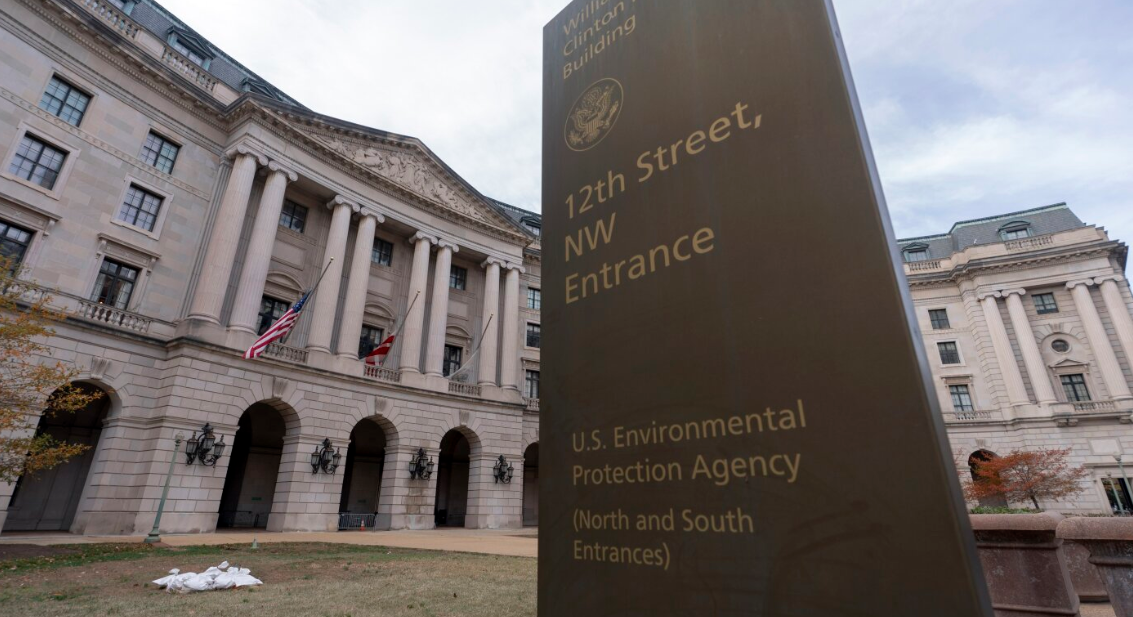
The Trump administration’s Environmental Protection Agency has officially repealed the longstanding scientific finding that greenhouse gases endanger public health, dismantling a core tool the U.S. has used to limit climate-warming pollution for 17 years — a move that reshapes America’s environmental policy and reverberates in world politics.
In the same period, U.S.–Russia war diplomacy is catching headlines too, with reports that a controversial “Dmitriev package” — a proposed massive economic cooperation plan between Washington and Moscow — is circulating behind peace negotiations on the Ukraine war, drawing criticism from Kyiv and geopolitical analysts alike.
These twin developments — on climate policy and international peace efforts — are some of the most consequential to emerge from Washington and global capitals in early 2026, reshaping economic, environmental, and security debates worldwide.
Why Trump’s EPA Climate Repeal and Russia Economic Talks Matter for American Families Now
For many American families, the Trump EPA climate repeal is not just a political headline — it could directly affect household expenses, air quality, and long-term economic stability. Rolling back federal authority to regulate greenhouse gases may influence energy production policies, fuel standards, and environmental protections. That can shape electricity bills, gasoline prices, and even healthcare costs linked to pollution exposure. Families are increasingly concerned about affordability, and energy policy plays a major role in monthly budgets.
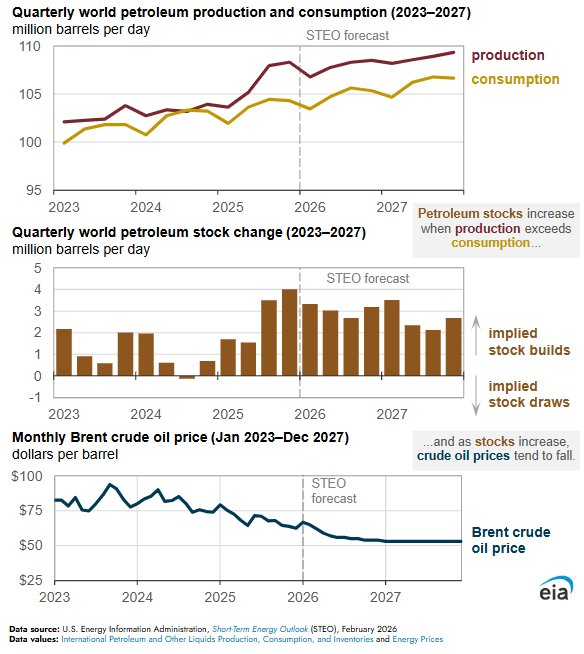
At the same time, renewed U.S.–Russia economic discussions introduce another layer of uncertainty and opportunity. If economic cooperation expands — especially in oil, gas, or energy trade — it could impact global supply chains and influence oil prices in the United States. Changes in energy markets often ripple into inflation, transportation costs, food prices, and job markets. For working households, these shifts matter far beyond Washington politics.
Why this matters now is simple: 2026 is shaping up to be a pivotal year for both climate regulation and global economic alliances. Decisions made today could redefine how the U.S. balances environmental protection with economic growth, and how geopolitical relationships influence everyday financial realities. American families are watching closely because these policies will shape the cost of living, public health standards, and the country’s global leadership for years to come.
The Endangerment Finding: How and Why It Was Repealed
For nearly two decades, the EPA’s “endangerment finding” declared that carbon dioxide and other greenhouse gases pose real threats to Americans’ health and welfare, enabling climate-focused rules under the Clean Air Act, such as vehicle emissions limits.
On February 12, 2026, the Trump administration — backed by EPA Administrator Lee Zeldin — announced the official repeal of that finding. The agency described the action as a massive regulatory overhaul, claiming it restores “common sense” to policy and removes “costly” regulatory burdens. The administration projects that repealing the rule will save American consumers over $1.3 trillion by rolling back federal requirements that industries track and limit greenhouse gas emissions.
Critics say the change strips the government of its legal authority to regulate climate pollution in the U.S. for the first time since 2009. The repeal extends its impact far beyond tailpipe standards, potentially undermining federal power to curb emissions from power plants and factories — sectors responsible for as much as half of U.S. greenhouse gases.
This decision aligns with a broader Trump-era agenda that has already seen the U.S. withdraw from the Paris climate pact and dismantle independent climate science offices, according to environmental policy trackers.
Why This Matters Now: Climate and Health Risks Escalate
Though the EPA frames its repeal as legal and economic correction, leading scientists, public health experts, and former officials warn that this action ignores the scientific consensus on climate change and the health harms of greenhouse emissions. Intense heat waves, worsening wildfires, deadly floods, and other climate-exacerbated disasters drove more than $115 billion in U.S. damages in 2025 alone, according to research organizations.
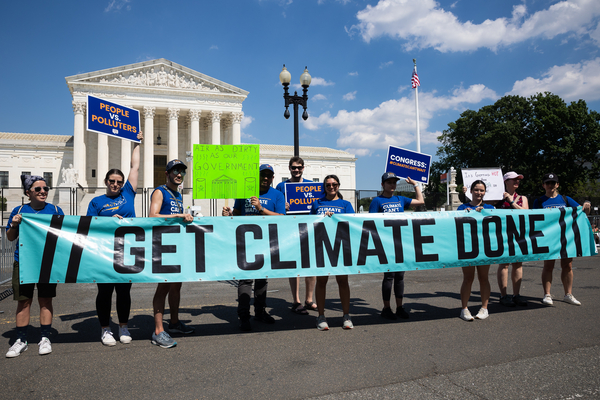
Environmental groups and several states are preparing legal challenges, with arguments that federal law still authorizes greenhouse gas regulation under the Clean Air Act — a position U.S. courts previously upheld.
Beyond the policy fight, Americans may see higher climate-related health costs, worsening air quality, and fewer protections for vulnerable communities as regulatory safeguards diminish.
The Dmitriev Peace Package: What’s Being Discussed Behind War Talks
Simultaneously, in diplomatic circles, reporters and analysts are scrutinizing a so-called “Dmitriev package” — a rumored economic cooperation plan reportedly worth around $12 trillion involving the U.S. and Russia. This flurry of negotiation is tied to high-level discussions about ending the war in Ukraine, with Kirill Dmitriev, a top Russian economic official, allegedly central to the talks.
Critics like Ukrainian President Volodymyr Zelensky have blasted the idea of bilateral U.S.–Russia economic deals being negotiated without Ukraine’s full involvement, saying that any outcome must protect Ukrainian sovereignty.
Recent peace talks, including trilateral sessions in Abu Dhabi, have involved U.S. envoys, Ukrainian negotiators, and Russian officials but have not yet delivered a breakthrough, leaving analysts to question whether economic instruments like the Dmitriev concept are a distraction or a driver in the broader peace effort.
Impact on Global Politics and Economics
The combination of major environmental deregulation at home with big-ticket diplomatic maneuvers abroad sends a clear signal about the Trump administration’s priorities: deregulate industry domestically while pursuing unconventional peace and economic deals internationally. These strategies profoundly influence global markets, climate negotiations, and security alliances.
For the environment, repealing climate authority could weaken U.S. leadership on emissions reductions just as the world confronts increasingly severe climate impacts. Economically, massive cooperative plans with geopolitical rivals like Russia could tilt global financial systems and currency usage if structural details — like potential return to the U.S. dollar system — are adopted.
What Comes Next: Legal and Geopolitical Uncertainty
Environmental lawsuits are expected to challenge the repeal’s legality, potentially reaching the U.S. Supreme Court and setting precedents for federal regulatory reach. On the Ukraine front, deadlines for peace proposals and negotiations stretch into spring and summer, influenced by international pressure and domestic political timelines.
For Americans and global observers alike, these issues intersect with everyday concerns — like air quality, energy costs, international stability, and economic growth — making them central to political debate and public policy in 2026 and beyond.
Subscribe to trusted news sites like USnewsSphere.com for continuous updates.