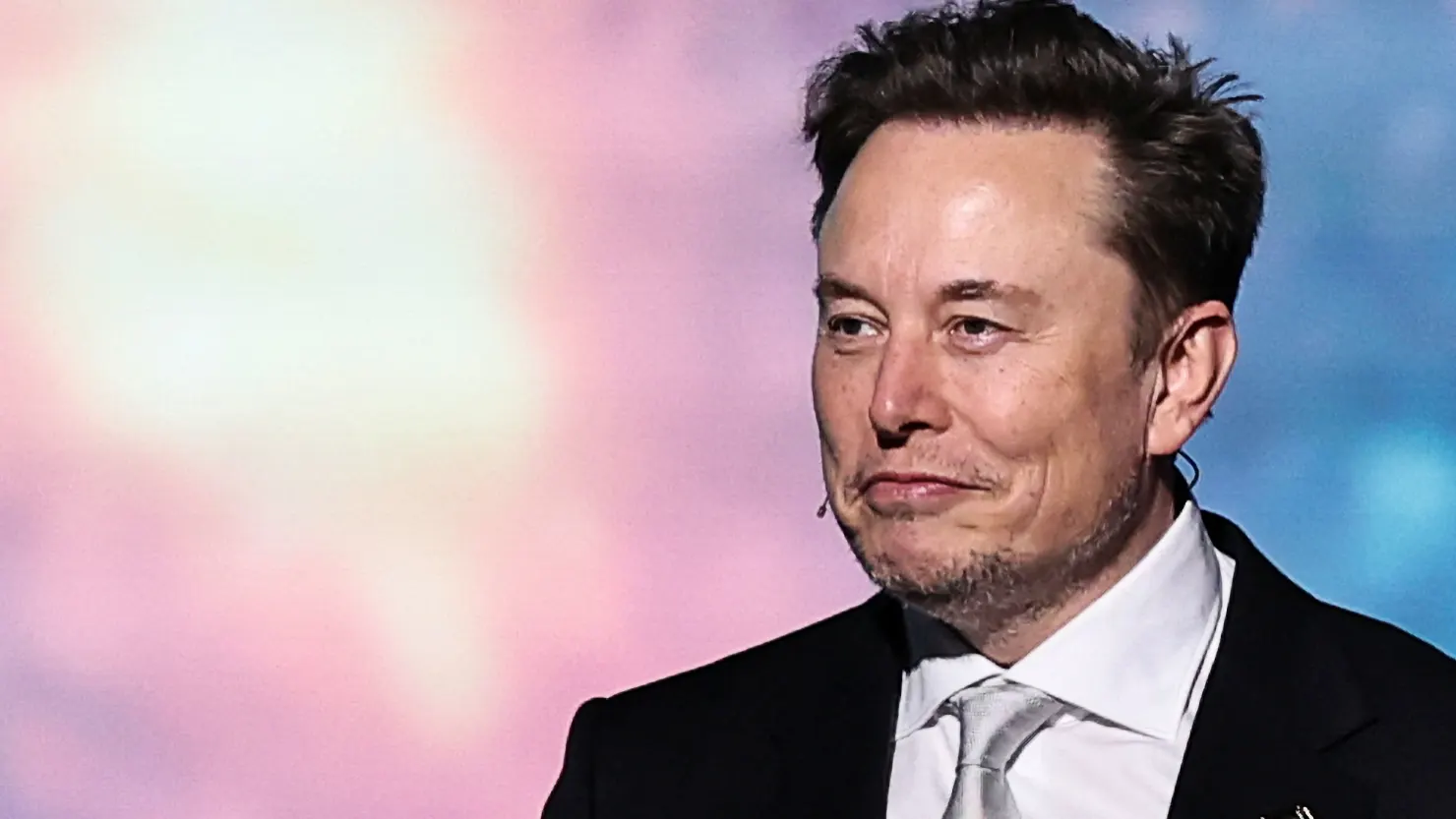
In a closely watched market release, Tesla reported its fourth quarter (Q4) 2025 earnings that beat Wall Street expectations, with adjusted earnings of $0.50 per share and revenue of $24.9 billion, narrowly topping analyst forecasts. Despite these results, annual figures showed declines in vehicle deliveries, prompting CEO Elon Musk to double down on artificial intelligence, robotics, and next-generation products. This news matters now because it marks a pivotal strategic shift away from pure EV dominance toward becoming a physical AI company, a narrative that could shape Tesla’s future growth. Investors and technology commentators say this pivot will keep Tesla relevant even as competition intensifies and traditional automotive growth slows.
Strong Quarter Performance Amid Mixed Signals
Tesla’s Q4 results showed a mixed performance. The company managed to exceed earnings and revenue expectations, delivering $24.9 billion in revenue and $0.50 per share in non-GAAP earnings, both slightly higher than consensus estimates. Automotive revenue declined year-over-year, but the energy generation and storage segment grew robustly, signaling diversified sources of income. Gross margins improved to over 20.1 percent, the highest in two years, indicating operational efficiencies even as deliveries fell.
While vehicle production and deliveries remain key indicators of Tesla’s core business, energy storage deployments and robotics progress are increasingly part of the company’s broader narrative. In Q4 alone, Tesla produced about 434,358 vehicles and delivered more than 418,000 globally. These figures represent declining automotive demand, but Tesla is positioning its energy and robotics lines to smooth cyclicality.
Annual Earnings Reflect Industry Headwinds
For the full year 2025, Tesla reported revenue of roughly $94.8 billion, a small decline compared to 2024, and net income dipped significantly, marking the first annual revenue fall in the company’s recent history. Vehicle sales volume also decreased for the second straight year, a major shift after years of rapid EV growth. Investors see this as evidence that the EV market is maturing and Tesla’s legacy cars need modernization to compete with lower-priced rivals, especially from China.
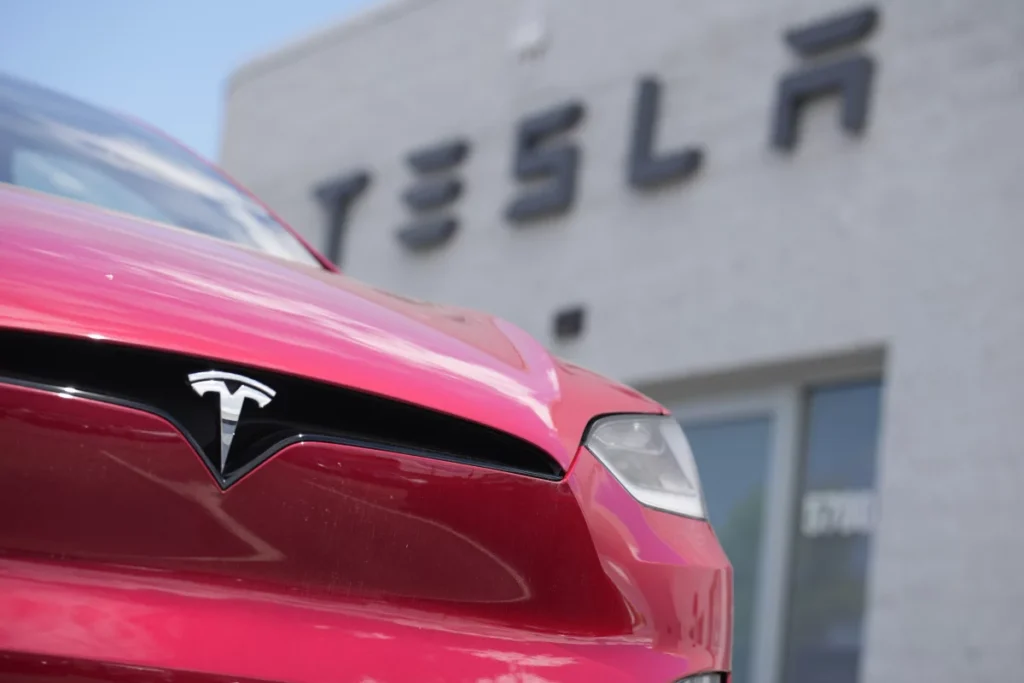
Beyond figures, the broader context reflects intensified competition, diminishing EV incentives in key markets like the United States, and points of friction with Tesla’s customer base. These shifts prompted analysts to reexamine Tesla’s long-term growth trajectory in its traditional automotive segment.
Strategic Pivot Toward AI, Robotics, and Robotaxi Services
Perhaps the boldest takeaway from Tesla’s recent results is its strategic pivot toward artificial intelligence and robotics. Elon Musk announced significant investments, including a $2 billion commitment to his AI firm, xAI, aligning Tesla’s future with cutting-edge AI research and applications. Tesla is also accelerating development of Robotaxi networks, humanoid robots (Optimus 3) and autonomous services, saying it wants to become more than just an EV maker.
To support these ambitions, Tesla plans over $20 billion in capital expenditures in 2026, directed at new production lines for advanced AI, robots, autonomous vehicles, and energy infrastructure. This level of spending reflects confidence in the long-term payoff of its AI ecosystem, even if near-term profitability is pressured.
Tesla’s leadership believes that robotaxis and humanoid robots could eventually contribute far more revenue than traditional vehicle sales, changing investor expectations and future earnings potential. Many analysts point out that Tesla’s current stock valuation incorporates future AI-driven growth, not just EV performance.
What This Means for Investors and the Automotive Industry
For investors, the Q4 and full-year earnings report delivers both reassurance and caution. Reassurance comes from Tesla beating expectations on EPS and revenue, demonstrating financial resilience. Caution arises from declining automotive sales, increased capital spending, and ambitious new product timelines that have historically faced delays.
Market reaction was positive in the aftermath of the earnings release, with Tesla’s share price climbing modestly as investors digested the earnings beat plus future growth signals in AI and energy. However, some analysts warn that Tesla’s current challenges in EV delivery and competition from companies like BYD indicate the road ahead will require innovation beyond traditional automotive lines.
Outlook and “Why This Matters Now”
Tesla’s earnings story matters now because it represents a transition phase in technology and transportation. Tesla is redefining its identity — shifting from solely an EV manufacturer to a leader in a broader technological landscape that includes AI, robotics, autonomous services, and energy storage. This redefinition could keep Tesla at the forefront of future growth trends even as EV markets plateau.
Looking ahead, Tesla is expected to expand its Robotaxi services across major U.S. cities, launch next-generation product lines like Cybercab, Robo taxi fleets, and the new Roadster, and continue improving its energy business. These developments are critical pieces of the company’s future revenue narrative and technological dominance.
Subscribe to trusted news sites like USnewsSphere.com for continuous updates.