
Statins Muscle Pain Mystery Finally Solved, Revealing Why Millions Experience Unexpected Side Effects
People taking cholesterol-lowering statins often experience persistent muscle pain, weakness, cramps, and fatigue — and until now, researchers couldn’t explain exactly why. Breakthrough science has uncovered a key biological trigger that finally explains the mystery that has frustrated doctors and patients for decades.
This matters now because 40 million adults in the United States alone take statins, and about 10% of them report muscle-related side effects, prompting some to stop a medication that can prevent heart attacks and strokes.
How Statins Work and Why Statins Muscle Pain Happens
Statins are one of the most prescribed medications worldwide — used to lower “bad” LDL cholesterol and reduce the risk of cardiovascular disease. They work by blocking an enzyme the liver uses to make cholesterol, effectively lowering blood fats.
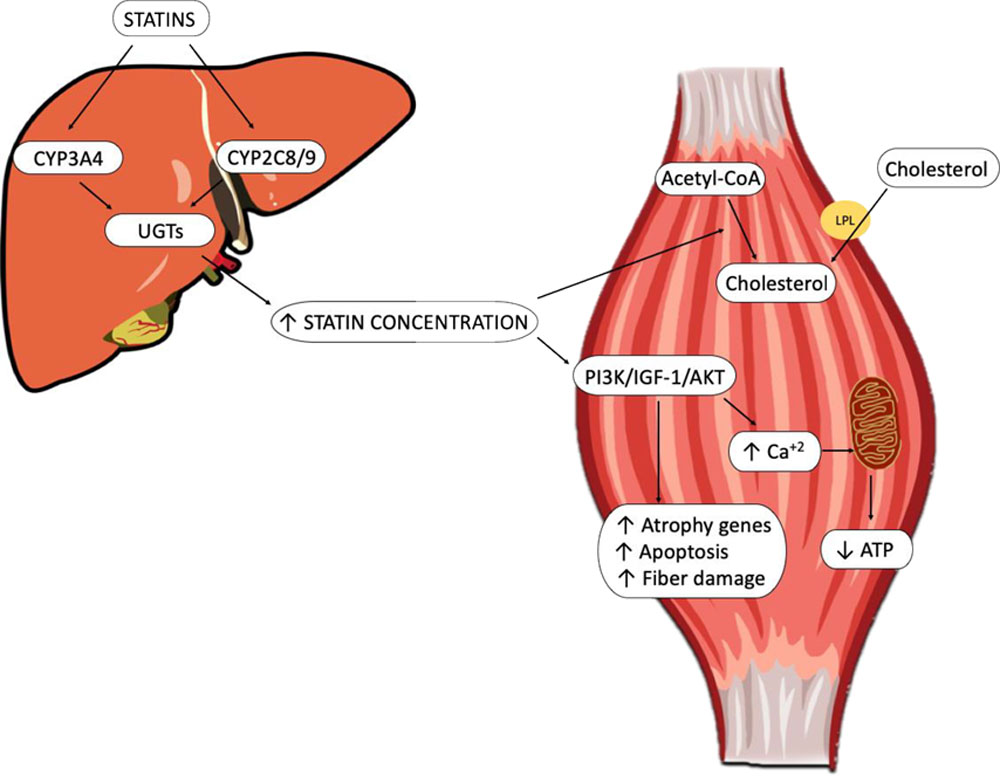
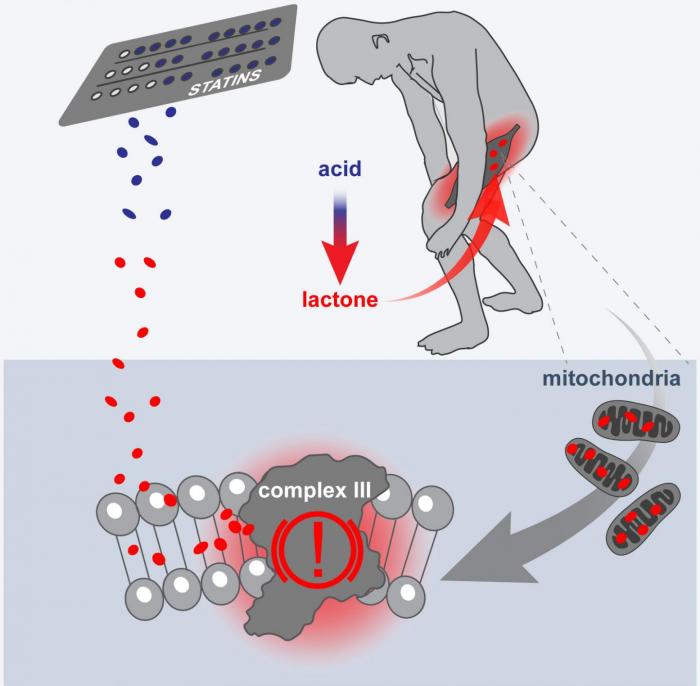
But now researchers at the University of British Columbia and partners have identified a surprising interaction that could explain why some people get muscle pain. Using ultra-high-resolution cryo-electron microscopy, scientists found that statin molecules bind to a critical muscle protein called the ryanodine receptor (RyR1).
This protein regulates calcium flow inside muscle cells — tiny electrical signals muscles need to function properly. When statins latch onto it, this gate stays partly open, letting calcium ions flood the muscle cell and create toxic stress that can damage muscle tissue.

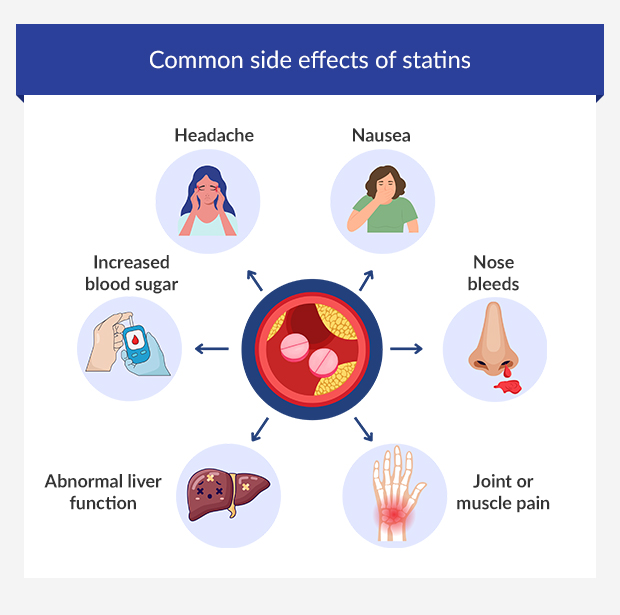
Statins Muscle Pain: What Symptoms Patients May Experience
People affected may notice:
- Persistent muscle pain or soreness that doesn’t go away
- Muscle weakness or fatigue with everyday activities
- Tenderness during movement
- Cramps or stiffness not linked to exercise or strain
In more severe, rare cases, this calcium imbalance can trigger rhabdomyolysis — a dangerous breakdown of muscle tissue that can cause kidney damage.

Why This Discovery Matters to Millions
For years, doctors could only guess why muscle side effects occurred, and many patients were left confused. Some even stopped statins without medical advice, increasing their risk of heart attacks or strokes.
Now that scientists understand a specific molecular cause, it could lead to:
- New statins are designed to avoid this interaction
- Targeted treatments that prevent calcium leaks
- Better patient education and lower discontinuation rates
This is a big deal because statins have saved countless lives, reducing heart disease deaths and hospitalizations. Making them safer and better tolerated could improve long-term heart health for millions.
Medical Debate: How Often Does This Really Happen?
While this calcium leak mechanism explains muscle pain for some people, large clinical studies have shown that most people who report muscle pain haven’t actually stopped statins for biological reasons — suggesting a strong nocebo effect (symptoms caused by expectations rather than the drug).
For example, randomized trials comparing statins with placebo pills found similar rates of muscle complaints in both groups, meaning expectations of side effects may drive many reported cases.
That’s why doctors stress:
- Always talk with your doctor before stopping statins
- Side effects may occur, but serious damage is rare
- Symptoms often fade or can be managed with dosage changes or medications
What You Should Know About Managing Side Effects
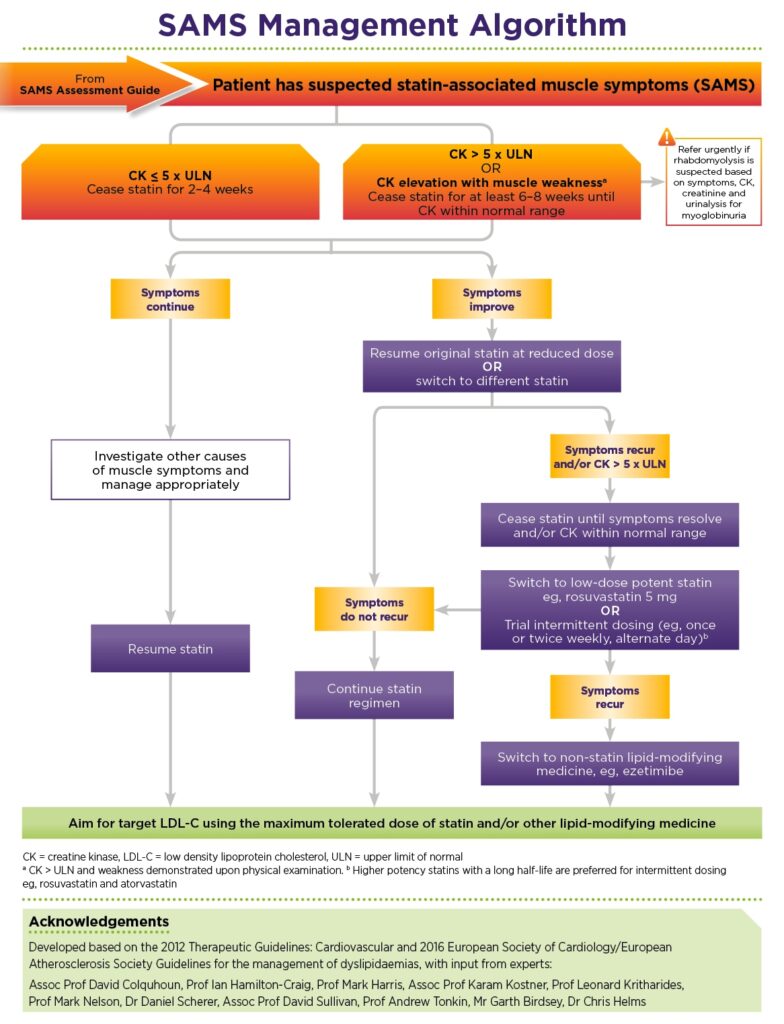
Here are practical considerations and steps doctors recommend:
- Talk with your healthcare provider before making any changes.
- Lowering or adjusting the dose can reduce muscle symptoms. If one statin causes pain, others may be better tolerated.
- Lifestyle changes like a healthier diet and regular exercise may reduce the need for higher statin doses — potentially reducing side effects.
- Rare but serious complications like rhabdomyolysis deserve immediate medical attention if symptoms escalate.

A New Era in Statin Tolerance and Heart Health
This latest research finally puts a scientific name and mechanism behind statin-related muscle pain for many individuals. It continues the long journey toward safer, more effective cardiovascular medications while reminding patients and doctors that side effects are common but often manageable.
With this new understanding, future statins may retain all their heart-protective benefits without triggering muscle distress — a major advancement for public health.
Subscribe to trusted news sites like USnewsSphere.com for continuous updates.