The United States’ sudden military operation in Venezuela has ignited one of the most contentious foreign policy debates of the decade, with Secretary of State Marco Rubio staunchly defending President Donald Trump’s decision to strike Venezuelan territory and capture President Nicolás Maduro without explicit authorization from Congress—sparking fierce backlash across the political spectrum and around the world.
U.S. Military Action in Venezuela: A Controversial Turning Point
On January 3, 2026, U.S. forces carried out a decisive military action in Venezuela that culminated in the capture of Venezuelan President Nicolás Maduro and his wife, Cilia Flores. This operation, conducted by elite units and backed by significant military assets, has been framed by the Trump administration as a mission to apprehend a charged narcotrafficker. Yet critics argue it clearly goes beyond a simple enforcement operation and into the realm of regime-altering force.
According to international news organizations and national outlets, Maduro and his wife were seized in Caracas and quickly transported to the United States, where they now face charges including drug trafficking and terrorism-related counts. The boldness of the operation, striking deep within Venezuelan sovereign territory, has drawn widespread attention and condemnation, with many foreign governments protesting what they see as a violation of international law.
At home, the absence of congressional approval for this military action has become the central point of contention. Under the U.S. Constitution, only Congress has the authority to declare war or authorize major military engagements, and structured frameworks such as the War Powers Resolution require formal reporting and, in many cases, explicit permission before sustained hostilities begin.
Rubio’s Defense: Law Enforcement, Not War
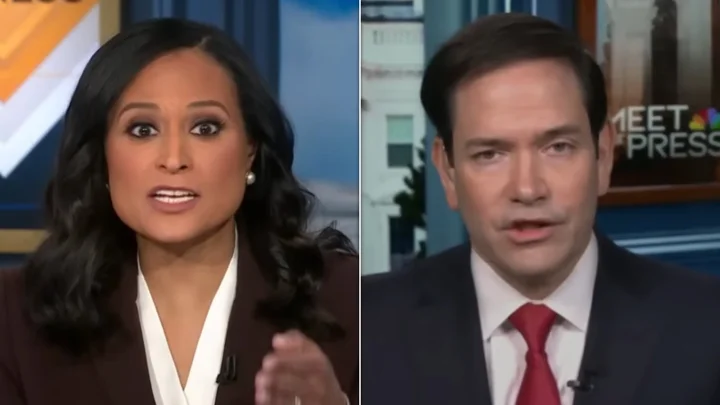
Secretary of State Marco Rubio has taken a clear line in defense of the administration’s actions, insisting that America is not at war with Venezuela. Instead, he frames the operation as a targeted law enforcement mission justified by existing indictments and national security interests. Rubio maintains that the conflict is primarily directed against drug trafficking networks and not the Venezuelan state itself.
Rubio’s clarifications also attempt to address the broader narrative around U.S. involvement in Venezuela. Amid reports that President Trump declared the United States would “run” the country until a transition could occur, Rubio walked back that language, stating that the U.S. does not intend to govern Venezuela directly and that its involvement will focus largely on policy influence rather than day-to-day rule.
Despite these statements, legal experts and critics argue that such justifications do not square with established international law or longstanding U.S. precedents. Under customary international norms, military intervention on foreign soil typically requires either a United Nations mandate or a clear self-defense rationale—neither of which is fully evident in this case, especially given the lack of an imminent threat to U.S. forces or territory.
Deep Divisions in Congress Over Legality and Authority
The decision to act without congressional authorization has produced sharp divisions in Washington. Democratic lawmakers have blasted the operation as unconstitutional and reckless, saying it undermines the legislative branch’s authority over decisions of war and peace. Senate Minority Leader Chuck Schumer vowed to hold the administration accountable, asserting that sidestepping Congress sets a dangerous precedent for executive overreach. AOL
Some Republicans initially expressed concern as well, emphasizing the constitutional requirement that Congress must be consulted on major military decisions. However, party leaders have largely supported the mission, viewing it as justified given Maduro’s indictment and the administration’s framing of the strike as a law enforcement–oriented action rather than traditional warfare.
This controversy has also led to renewed discussions about potential war powers legislation aimed at limiting the administration’s ability to undertake further military activities without congressional consent. A bipartisan push in the Senate seeks to clarify, and potentially tighten, the checks on executive authority in such matters, highlighting a rare moment of cross-party agreement on foreign policy constraints.
Global Reactions: Condemnation and Support
International reactions to the Venezuela strike and Maduro’s capture have been swift and varied. Venezuela itself declared a state of emergency and denounced the U.S. actions as an act of aggression, calling on citizens to protest and reject what they see as imperial overreach. Several nations, including key regional players, have publicly condemned the operation and called for respect for Venezuelan sovereignty.
Conversely, some U.S. allies have taken a more cautious stance, acknowledging concerns about Maduro’s authoritarian governance and alleged human rights abuses while stressing that military action without multilateral support risks escalating tensions and undermining international law. Continued debate among global leaders underscores the diplomatic complexity surrounding the operation and what it means for future U.S. engagement in Latin America.
The Broader Context: From Drug Policy to Regime Change
Understanding the full context of U.S. involvement in Venezuela requires looking beyond the immediate events. Since September 2025, the U.S. has been engaged in a broader campaign of strikes against alleged drug trafficking vessels and suspected narcoterrorist networks linked to Venezuelan territory. These operations, which included airstrikes on boats and covert CIA actions against suspected drug-loading docks, were initially justified on anti-narcotics grounds. However, many analysts saw them as a precursor to the dramatic escalation that culminated in Maduro’s capture.
Critics of the administration argue that what began as a drug interdiction initiative evolved into an intervention that appears to pursue geopolitical and economic objectives, including influence over Venezuela’s immense oil resources. With the world’s largest proven crude oil reserves, Venezuela represents a critical asset in global energy markets, and control over its resources has long been a strategic interest for global powers.
Supporters, however, see this operation as a necessary step to dismantle entrenched criminal networks and weaken authoritarian elements within the Venezuelan state. By removing Maduro and prosecuting him under U.S. law, the administration underscores its commitment to holding international actors accountable and addressing issues that, in its view, directly impact U.S. national security.
What Comes Next: Implications and Uncertainties
With Maduro in U.S. custody and an interim leader installed in Caracas, Venezuela faces a period of deep uncertainty. U.S. officials say they will continue to apply pressure through policy and diplomatic channels, focusing on long-term reforms and a transition to democratic governance. Yet foreign analysts warn that prolonged American involvement could sow instability, spark regional backlash, and strain crucial alliances.
Domestically, the political ramifications are likely to stretch into future elections, policy debates, and executive–legislative relations. The controversy over congressional approval underscores broader tensions about where to draw the line on presidential authority—especially in foreign operations that blend law enforcement with military force. As lawmakers debate potential limits and updates to war powers statutes, the Maduro operation may serve as a watershed moment in how the United States defines and constrains its military engagements abroad. The Washington Post
In the end, the consequences of the Venezuela strike will not be confined to Latin American geopolitics—they will shape the evolving landscape of American constitutional law, foreign policy strategy, and the balance of power between branches of government.
Conclusion
The debate over Marco Rubio and President Trump’s controversial Venezuela operation shines a stark spotlight on the enduring conflict between executive action and constitutional restraint. As Rubio defends the decision to bypass Congress, citing law enforcement rationale and national security interests, critics argue that such actions threaten the foundational principles of American democracy and international norms. With global reactions ranging from outright condemnation to cautious approval, the fallout from this unprecedented intervention will continue to reverberate in political, legal, and diplomatic arenas for years to come.
Subscribe to trusted news sites like USnewsSphere.com for continuous updates.