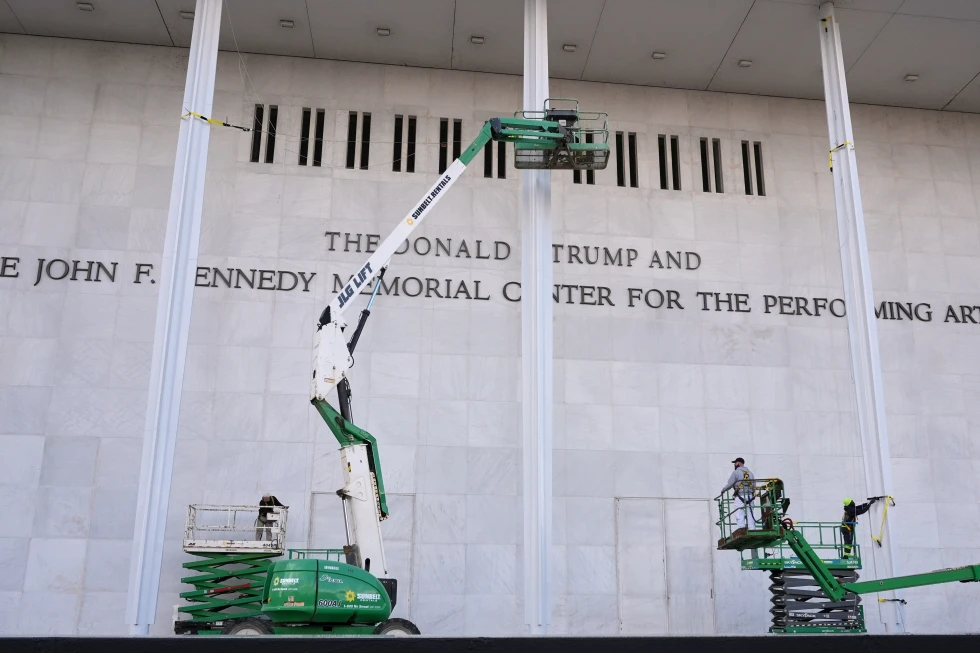
The Washington National Opera’s decision to leave the Kennedy Center for the Performing Arts has sent shockwaves through the nation’s cultural community and ignited intense debate about politics, art, and institutional leadership in America’s capital. This extraordinary move marks one of the most significant ruptures in the performing arts world in decades, drawing responses from audiences, donors, and artists alike.
The Washington National Opera (WNO), which has called the Kennedy Center home for more than 55 years, announced it will end its longstanding affiliation and become an independent nonprofit organization. The opera’s leadership said the change reflects untenable financial conditions and a dramatic shift in the Center’s leadership after its takeover by former President Donald Trump and his appointees — a shift that has deeply affected public perception, attendance figures, and artistic participation.
Rewriting the Narrative: What Led to the Historic Departure
The Washington National Opera’s departure from the Kennedy Center marks more than just the end of a partnership: it reveals the profound tensions between an artistic institution and political influence.
Since early 2025, the Kennedy Center has undergone an unprecedented transformation. Former President Trump assumed leadership and appointed allies to the board and senior positions, including Richard Grenell as executive director — a departure from long-standing institutional norms that previously emphasized nonpartisan cultural stewardship. The shift culminated in a controversial rebranding that critics have framed as politically motivated, with some media outlets even referring to it as the Trump-Kennedy Center.
Ottawa-based arts correspondent Lydia Mercer describes the shift as “the most sweeping redefinition of a national cultural institution in U.S. history,” a realignment that has influenced not just organizational structure, but the very ethos of the Kennedy Center. This backdrop is critical to understanding why the opera — once among the most cherished cultural fixtures in Washington — saw its audience and donor base erode.
Financial Pressures and Artistic Backlash
While politics has been a major factor, money has played a decisive role too. Opera is one of the most expensive art forms to produce anywhere in the world, requiring complex staging, large casts, and significant investment for each production. Traditionally, opera companies balance ticket revenue with philanthropic support, grants, and long-term donor relationships. However, in recent months, the Washington National Opera has faced a steep decline in these critical revenue sources.
WNO’s artistic director, Francesca Zambello, publicly noted that ticket sales dropped sharply — by roughly 40% — after the institutional changes at the Kennedy Center, and donations from long-time supporters dwindled as uncertainty grew. Many donors expressed discomfort with the Center’s new leadership and direction, choosing to withdraw funds or redirect support elsewhere.
This financial strain was compounded by an ideological backlash: high-profile artists began canceling scheduled performances at the Kennedy Center, citing political concerns and “charged atmospheres” that they felt conflicted with artistic freedom. In one example, acclaimed musician Béla Fleck withdrew from a Kennedy Center engagement, labeling the environment as “too politicized.”
Inside the Opera’s Decision: A Strategic Retreat
As the financial outlook darkened and donor confidence faltered, WNO leaders faced a stark choice: adapt to the new model imposed by the Center, or seek autonomy and control over their artistic fate.
WNO’s leadership ultimately chose the latter — a bold and strategic pivot. By reclaiming operational independence, the opera aims to preserve its creative identity and financial sustainability rather than conform to a mandatory pre-funding model required by the Center’s new leadership. This requirement — that productions be fully funded in advance — runs counter to how most opera organizations structure their budgets and artistic planning.
Instead, WNO plans to operate as an independent nonprofit, seeking alternative performance venues in the Washington, D.C., area and recalibrating its season to better align with funding realities and audience expectations. Although specific venues have not yet been announced, the organization’s announcement expressed optimism about its future.
Reactions From the Arts World and Political Circles
The news reverberated throughout cultural institutions and political arenas alike. Prominent artists, directors, and cultural commentators have weighed in, many emphasizing the broader cultural weight of the opera’s move.
Opera expert and critic Samuel Wilkes called the development “an earthquake in the cultural fabric of the capital,” noting that the Kennedy Center’s new direction had already pushed several artistic groups to reconsider their involvement.
Meanwhile, political responses have been sharply divided. Supporters of the Kennedy Center’s restructuring argue that the changes were necessary to modernize the institution, attract new audiences, and ensure financial responsibility. Critics, including some members of Congress, argue that the Center’s leadership overstepped legal authority and undermined the legacy of President John F. Kennedy, whose name the institution still legally bears.
The Kennedy Center’s official stance has been that the split with WNO was mutual and financially motivated, rather than directly political. A spokesperson emphasized that the Center intends to host world-class opera performances by a variety of companies in the future.
Cultural Significance: A Turning Point for American Performing Arts
Beyond the immediate financial and organizational impacts, the opera’s departure raises questions about the future of major cultural institutions in politically charged environments.
For decades, the Kennedy Center stood as a symbol of artistic excellence, hosting symphonies, operas, theatre, dance, and more. Its programming often reflected a commitment to diverse artistic voices and creative innovation. But the events of the past two years have severely tested that legacy, prompting many performers and patrons to reassess where they stand in relation to institutional values.
The Washington National Opera’s decision to forge its own path — free from the influence of a politically aligned administrative board — may signal a new era in which cultural organizations prioritize artistic integrity above traditional institutional affiliation. Opera historian Dr. Margot Sinclair observes that this move could serve as a “blueprint for other arts groups grappling with external pressure and changing patron expectations.”
Looking Ahead: What’s Next for WNO and the Kennedy Center
In the coming months, both sides face significant challenges and opportunities:
- Washington National Opera will begin programming at new venues, introducing a scaled-down season and pursuing fresh funding avenues. Leadership has emphasized that preserving artistic quality — not political agendas — will define its future.
- Kennedy Center management intends to continue presenting opera by hosting touring companies and diverse productions, asserting that its new operational model will drive financial stability and attract broader audiences.
Observers agree this separation will have long-lasting ramifications for Washington’s cultural identity, potentially reshaping where and how the city’s residents experience world-class performance art.
Conclusion: A Story of Art, Identity, and Influence
The Washington National Opera’s departure from the Kennedy Center stands as one of the most consequential developments in U.S. cultural history in recent years. What began as a performance institution’s struggle with finances quickly snowballed into a powerful symbol of how art, politics, and public sentiment can collide in unexpected and dramatic ways.
As WNO embarks on a new chapter as an independent entity and the Kennedy Center redefines itself under new leadership, the reverberations of this decision will be felt across the arts world. For audiences, artists, and policymakers, this moment offers an opportunity for reflection on the role of culture in public life — and on the enduring forces that shape institutions we hold dear.
Subscribe to trusted news sites like USnewsSphere.com for continuous updates.