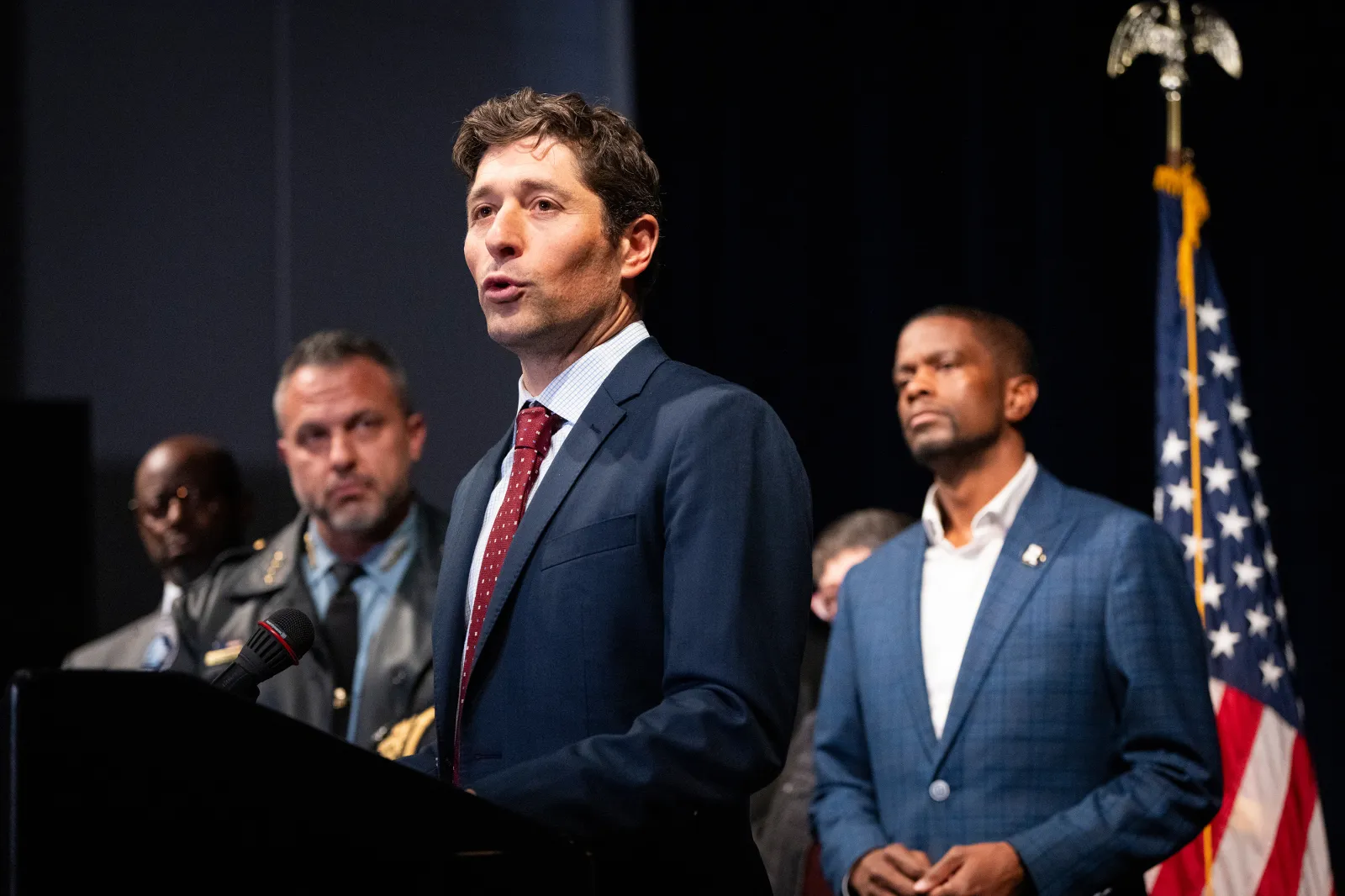
Minneapolis Mayor Jacob Frey has firmly rejected Homeland Security Secretary Kristi Noem’s proposal to create a designated protest zone, saying the idea contradicts constitutional free-speech protections and inflames a city already facing intense conflict over federal immigration enforcement. This dispute reflects a broader battle between local and federal authorities over public safety, civil liberties, and how to manage protests sparked by recent controversial enforcement actions.
The mayor’s outright refusal came during a nationally televised interview, where he stressed that “First Amendment speech is not limited to one park or one section of the city,” underscoring his view that such an approach would effectively limit citizens’ rights. Why this matters now: Minneapolis continues to be a focal point for national debate on free speech, immigration policy, and federal power — making the city a potential flashpoint for future political and legal clashes.
What Noem Proposed and Why
Homeland Security Secretary Kristi Noem suggested establishing a “peaceful protest zone” that would set specific areas for demonstrations in Minneapolis, arguing that it would balance people’s constitutional right to protest with the need for public order and focused law enforcement operations. Proponents say such zones could help manage protests more safely and prevent disruptions throughout the city.
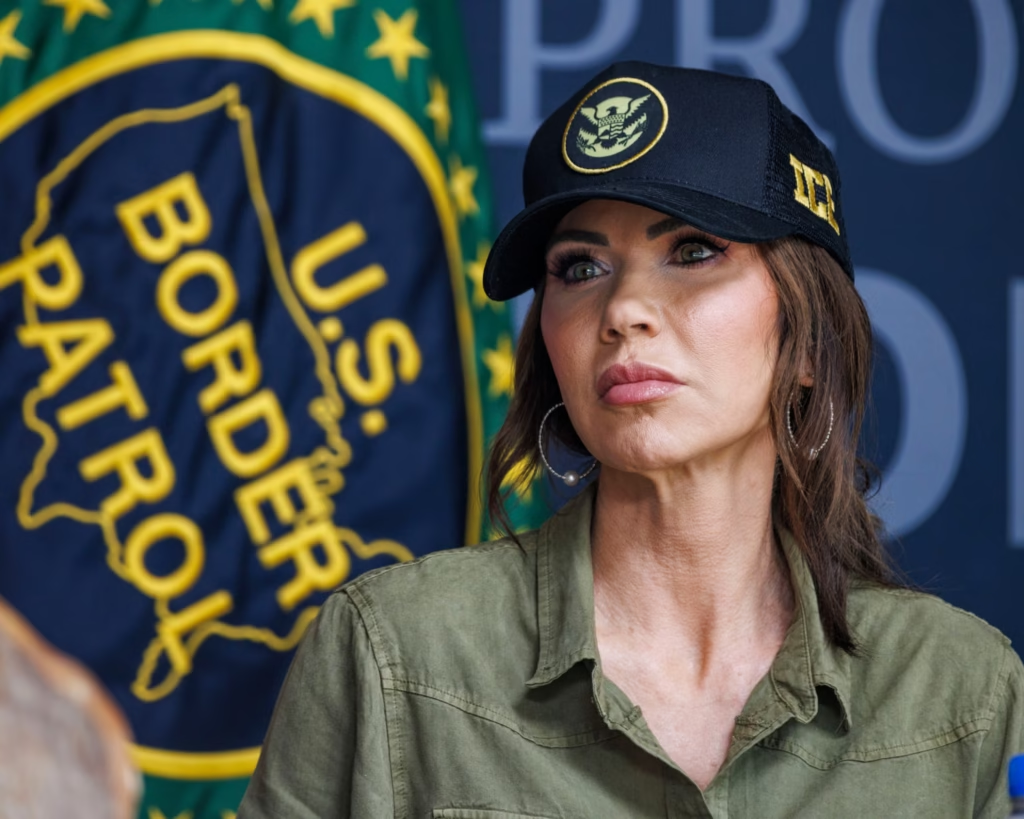
Noem framed the proposal as a cooperative effort between federal and local authorities, claiming that designated zones would allow demonstrators to exercise free speech while enabling officers to concentrate on identifying and apprehending individuals suspected of criminal conduct. Supporters of the idea argue that this could be a pragmatic solution during heightened tensions.
Why the Mayor Says No
Mayor Frey strongly rejected the concept, emphasizing a core constitutional concern: free speech and the right to protest cannot be confined to designated “zones.” He argued that restricting demonstrations to certain parts of the city is fundamentally inconsistent with the First Amendment, which protects peaceful protest anywhere.
Frey also made clear that Minneapolis residents have a lawful right to protest anywhere peacefully, without being funneled into a specific area. His comments reflect worry that imposing protest boundaries could set a dangerous precedent, potentially limiting civic engagement and dissent nationwide.
Federal Enforcement and Local Tensions
The backdrop to this debate is Minneapolis’ ongoing confrontation with federal immigration enforcement. Thousands of federal officers from Immigration and Customs Enforcement (ICE) and Border Patrol have been deployed to the area in what the Department of Homeland Security called a major operation. This action followed the fatal shooting of a local resident, Renee Nicole Good, by an ICE agent — an event that triggered widespread protests and public outcry.
Local and state leaders, including Frey and Minnesota Governor Tim Walz, have criticized the federal response and called for transparency and restraint. In contrast, the federal government has defended its actions as necessary to enforce immigration laws and maintain order.
Broader Legal and Political Ramifications
This disagreement also spotlights larger constitutional and political questions about federal authority vs. local autonomy. A federal judge recently imposed curbs on how immigration agents may interact with protesters, particularly limiting the use of detention or force against peaceful demonstrators, recognizing the importance of civil liberties even during heightened law enforcement operations.
Frey’s stance against a protest zone can be seen as an effort to uphold local governance and protect free speech rights amid federal intervention. However, critics argue that without measures to manage demonstrations, public safety and order could be compromised.
Public Reaction and National Attention
Public reaction has been mixed, reflecting national political divisions. Many civil rights advocates and local residents support the mayor’s insistence on unrestricted protest rights, viewing it as a defense of fundamental freedoms in a charged political atmosphere. Others, especially some federal officials and national commentators, argue that designated areas for protests could help ensure safety and reduce conflict.
The media coverage of this debate has been intense, with outlets across the country reporting on the constitutional arguments, the ongoing protests, and the broader implications for federal-local relations. As demonstrations continue, this issue is likely to remain in the national spotlight.
What Comes Next
As Minneapolis grapples with these tensions, national leaders and legal experts are closely watching how this standoff unfolds. The city’s decisions on protest policy could influence similar debates in other cities, especially those facing protests related to immigration and civil rights.
For now, Mayor Frey’s rejection of a designated protest zone stands as a bold assertion of constitutional rights and local authority, signaling his administration’s commitment to protect peaceful protesters wherever they choose to assemble. Whether this position will ease tensions or contribute to further conflict remains to be seen as protesters, officials, and legal authorities continue to navigate this complex situation.
Subscribe to trusted news sites like USnewsSphere.com for continuous updates.