Four Migrants Die in U.S. Immigration Custody in First 10 Days of 2026, Sparking Renewed Concern
In the first ten days of 2026, four migrants tragically lost their lives while in the custody of U.S. Immigration and Customs Enforcement (ICE), marking a chilling continuation of detention-related deaths that have alarmed advocates, policymakers, and critics nationwide.
These incidents have drawn renewed scrutiny to the U.S. immigration enforcement system, already under fire for record detention levels and a rising death toll in 2025—the highest in two decades. What follows is a comprehensive, in-depth look at the circumstances, broader context, and reactions shaping this urgent national issue.
What Happened in ICE Custody: Details of the 2026 Deaths
According to ICE reports released by the Department of Homeland Security, the four migrants died between January 3 and January 9, 2026, while detained in federal facilities.
The identities of those who died and the circumstances of their deaths include:
- Geraldo Lunas Campos (55) from Cuba, who died January 3 at Camp East Montana in Texas, a detention facility opened by federal authorities.
- Luis Gustavo Nunez Caceres (42), a Honduran national, died on January 5 at a hospital near Houston after suffering heart-related health issues.
- Luis Beltran Yanez–Cruz (68) from Honduras, who passed away on January 6 at a facility in Indio, California, was also linked to cardiovascular complications.
- Parady La (46) from Cambodia, who succumbed to severe drug withdrawal symptoms on January 9 at the Federal Detention Center in Philadelphia.
These deaths, ICE said, occurred amid ongoing medical evaluations and investigations within the facilities.
Migrants: Deaths in Custody and Rising ICE Detention Numbers
The deaths in January follow a grim trend: 2025 saw at least 30 deaths in ICE detention, the most in over 20 years.
Immigration detention under the current administration has expanded sharply. ICE facilities held roughly 69,000 migrants as of January 7, 2026, due in part to increased funding and aggressive deportation policies enacted by Congress and the White House.
This figure is part of a broader surge in detention: official reports from late 2025 showed ICE detained more than 68,400 people, breaking previous records.
Advocates and experts say that escalating detention volumes, stretched medical resources, and overcrowded facilities raise the risk of illness, delayed care, and fatalities.
Advocacy and Criticism: Reactions to the Custody Deaths
Migrant rights groups and civil liberties organizations have expressed outrage over the latest deaths:
- Setareh Ghandehari, advocacy director at Detention Watch Network, called the high number of deaths “truly staggering” and pushed for the closure of ICE detention centers nationwide.
Critics say that extended detention, insufficient transparency, and inconsistent medical oversight are central to the crisis.
Some legal analysts argue that fewer migrants are being released on humanitarian grounds, forcing individuals with serious health conditions to remain in custody rather than receive community care—potentially increasing risk.
Government Response: What U.S. Officials Say
Federal authorities have defended current detention practices:
- A Department of Homeland Security spokesperson stated that the “death rate has remained in line with historical norms” despite rising detention counts.
ICE also maintains that it provides medical care in detention centers that “exceeds normal expectations” in comparison to similar correctional facilities.
However, the lack of detailed, publicly released death investigations has drawn criticism, with transparency advocates saying ICE often delays or underreports the full circumstances surrounding each death.
Broader Enforcement Context: Related Incidents and Nationwide Protests
The deaths in custody have not occurred in isolation.
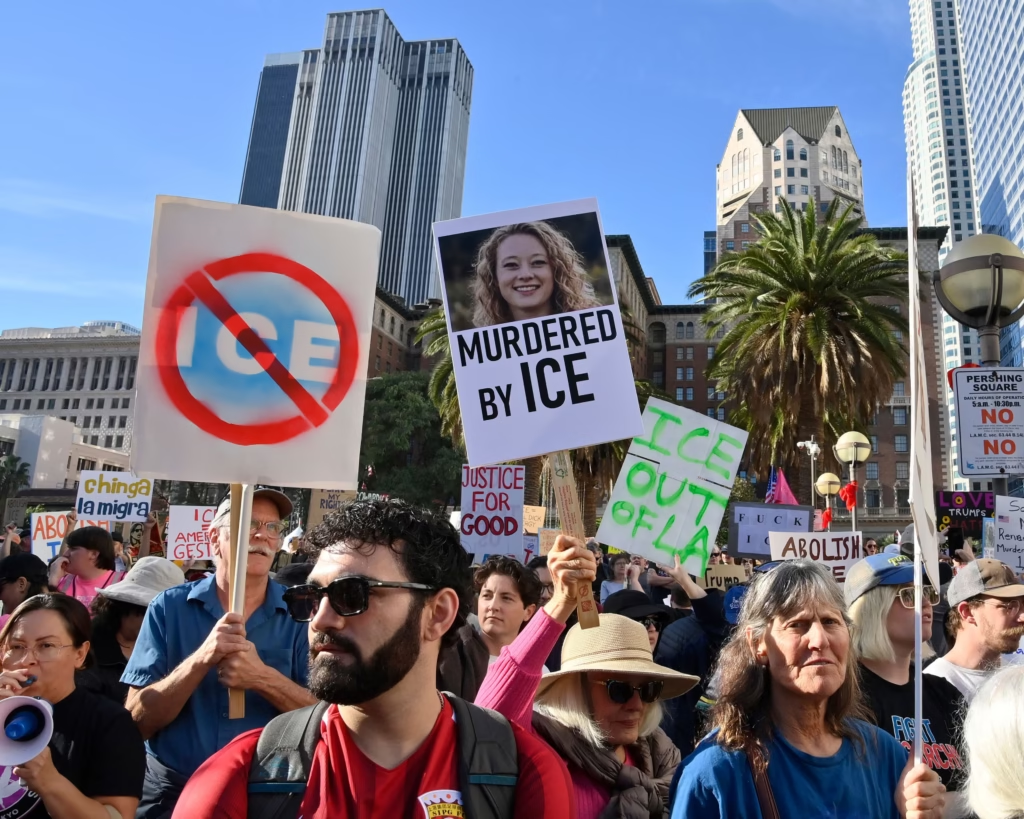
In January 2026, a separate high-profile incident—the fatal shooting of Minnesota mother Renee Good by an ICE agent during a protest—ignited protests nationwide and intensified scrutiny of immigration enforcement tactics.
Hundreds of community members gathered in multiple cities to honor individuals affected by ICE operations and to call for reforms to federal immigration policy.
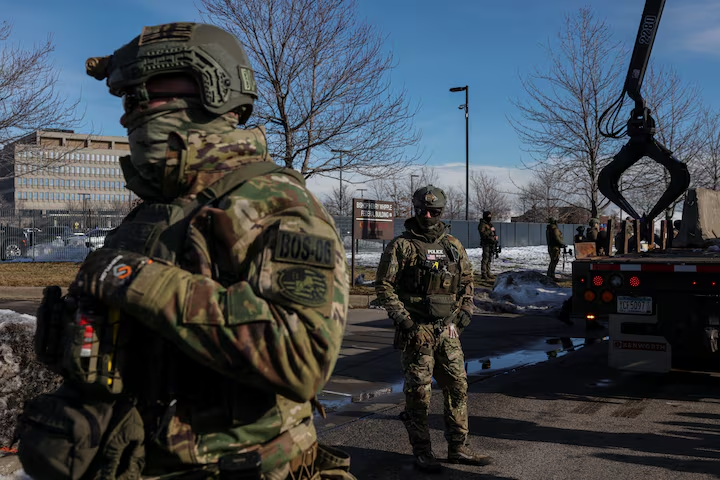
Advocates say these events reflect deeper systemic problems, including the militarization of immigration enforcement and the prioritization of detention over alternatives, like supervised release or community support programs.
Analyzing the Impact: What This Means for Immigration Policy
Experts say the deaths in custody and rising incarceration figures highlight broader challenges with U.S. border and immigration policy, especially as enforcement intensifies under the current administration:
1. Overcapacity and Healthcare Gaps
With record detention numbers, advocates say ICE health services and detention infrastructure are being pushed beyond capacity. Delays in reporting and responding to medical emergencies are a major concern.
2. Policy Shifts
Reductions in humanitarian releases and tightening of parole practices mean fewer detainees are eligible for alternatives to confinement, even those with serious health issues.
3. Legal and Human Rights Scrutiny
Advocacy groups, lawmakers, and international human rights observers have called for increased oversight, independent investigations, and stricter standards to prevent future deaths.
These dynamics have major implications for immigration policy debates leading into key legislative sessions and court challenges scheduled in 2026.
Looking Ahead: Calls for Reform and Accountability
As the nation grapples with these developments, several pressing questions remain unanswered:
- Will Congress demand greater transparency and stricter reporting requirements for ICE detention deaths?
- Will courts weigh in on the legality of detention conditions and oversight mechanisms?
- Can immigration policy be balanced with humane treatment and medical safeguards?
Answering these questions will shape the future of U.S. immigration enforcement and determine whether similar losses of life can be prevented.
A Critical Moment for U.S. Immigration Enforcement Oversight
The deaths of four migrants in ICE custody within just the first days of 2026 underscore a deepening crisis in U.S. immigration detention. With record detention levels, growing public outrage, and calls for systemic reform, this issue has moved from routine reporting into the spotlight of national debate.
As the nation watches, the decisions made by lawmakers, courts, and federal agencies will have lasting impacts on immigration enforcement policy, detainee rights, and how the U.S. balances enforcement with human dignity.
Subscribe to trusted news sites like USnewsSphere.com for continuous updates.