Canadian Whisky Prices Rise as Trump Tariffs Hit Americans
The world of whisky enthusiasts and casual drinkers alike is facing a seismic shift in price dynamics, largely
due to Trump-era tariffs. As Canadian whisky importers navigate the fallout from these tariffs, American
consumers may ultimately bear the financial burden. The economic landscape for whisky lovers is evolving,
leading many to question the future of their favorite spirits.
Table of Contents
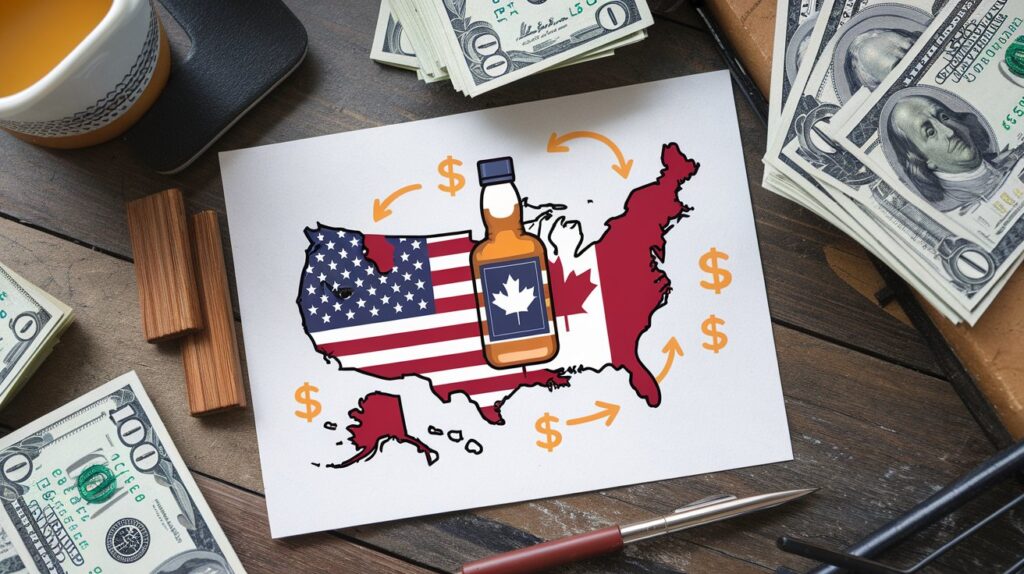
Understanding the Tariffs on Canadian Whisky
To grasp the price fluctuations affecting Canadian whisky, it is crucial to understand the origin of these
tariffs. The Trump administration enacted a series of tariffs aimed primarily at trade imbalances and
disputes with various countries, including Canada. This has included a considerable additional duty on
products such as whisky.
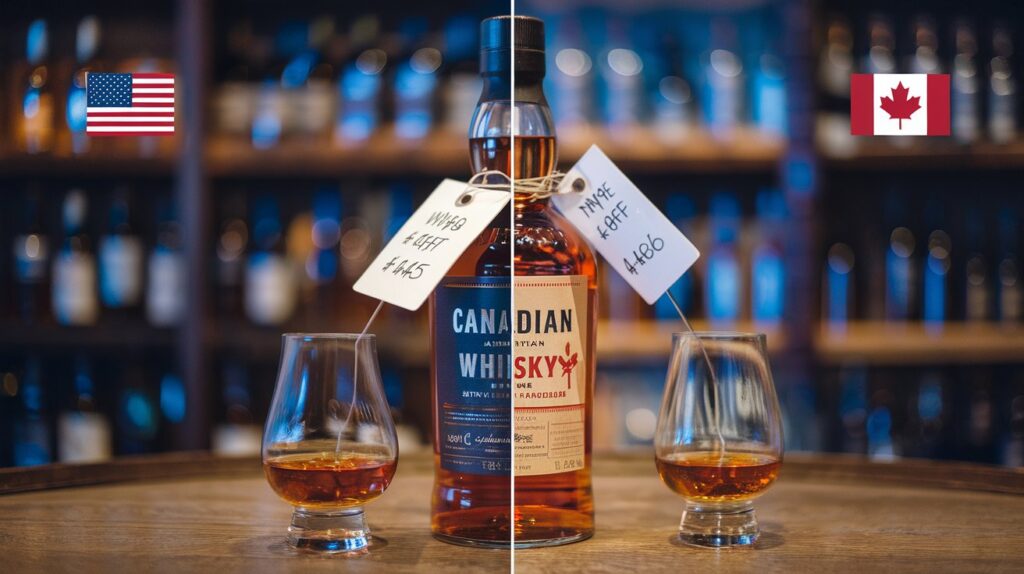
- Tariffs Introduction: The tariffs represent a strategic move to incentivize American production while
placing a financial strain on imported goods. - Specific Duty Rates: Tariffs on Canadian whisky imports can reach as high as 25%, significantly
affecting pricing. - Trade Relations: The diplomatic implications have resulted in a complex web of trade expectations,
impacting both parties.
Impact on Pricing Structures
The financial repercussions of these tariffs are palpable. Importers of Canadian whisky are increasingly
faced with the decision of how to handle rising costs. The choice to absorb costs or pass them onto
consumers can influence market behaviors:

Cost Absorption vs. Consumer Price Hikes
Many importers initially attempted to absorb the tariffs’ costs, but as prices continue to rise, they are
forced to reconsider their strategies. Here’s how the situation is unfolding:
- Absorption of Costs: Some importers have opted to lower their profit margins instead of raising
consumer prices. - Rising Consumer Prices: Others have had no choice but to increase the prices of their whisky
offerings, directly impacting consumers at retail outlets.
As suppliers grapple with these challenges, American whisky consumers can expect a steady increase in prices
as tariffs persist through 2025 and possibly beyond.
The Bigger Picture: U.S.-Canada Trade Dynamics
This tariff dilemma is part of a broader context regarding U.S.-Canada trade relations. The implications
stretch beyond the whisky aisle. With approximately 90% of Canadian whisky being exported to the United
States, the tariffs pose a significant challenge for both American consumers and Canadian producers.
Whisky Production and Export
Canadian whisky production has been a historical staple, with brands like Crown Royal and Canadian Club
dominating the market. The impact of tariffs can be viewed through several lenses:
- Brand Strategies: Canadian producers might reevaluate their marketing and distribution strategies
to offset the tariffs’ effects. - Quality and Pricing: Maintaining quality while adjusting prices will be crucial to retain consumer
loyalty. - Market Adaptation: Importers and retailers may need to adapt to changing consumer preferences,
including the possibility of emphasizing domestic spirits.
Consumer Response to Price Changes
As prices rise, consumer behavior may begin to shift. The relationship between pricing and purchasing
decisions is critical in understanding how tariffs may influence the whisky market:
Possible Shifts in Consumer Preferences
More American consumers might choose to look for alternatives as they feel the pinch from increased prices.
This could include:
- Switching Brands: Consumers might pivot to domestic whisky brands that offer less expensive
alternatives. - Exploring Other Spirits: As whisky prices rise, some enthusiasts may turn to other liquors, such
as rum or vodka, which remain competitively priced. - Increased Interest in Craft Spirits: There may also be a surge in interest for locally produced
craft spirits, reshaping the market landscape.
The Future of Canadian Whisky in America
Looking ahead, the whiskey industry stands at a crucial juncture. The enduring impact of tariffs on prices
will continue to define consumer behavior, branding strategies, and trade relations. The outlook from now
until 2025 will require vigilance from importers and proactive engagement with consumers.
What to Expect
As the whisky landscape evolves, here are some anticipated changes:
- Price Adjustments: Regular price updates as tariffs and market dynamics fluctuate.
- Product Diversification: Increased variety in product offerings, including altered blends that
may appeal to evolving consumer preferences. - Sustained Market Competition: Domestic brands may ramp up production and marketing in response
to rising imported prices.
Conclusion
The whisky industry, particularly regarding Canadian imports, is in the midst of profound changes fueled by
tariff policies. American consumers will likely see shifts in pricing and availability, encouraging them to
adapt their preferences. The outcome remains uncertain, but one thing is clear: tariffs will continue to play a
significant role in shaping the future of Canadian whisky in the United States.
For consumers dedicated to their whisky traditions, staying informed about these changes will be vital in
ensuring they continue to enjoy their favorite brands without compromising their budgets. [USnewsSphere.com]
-
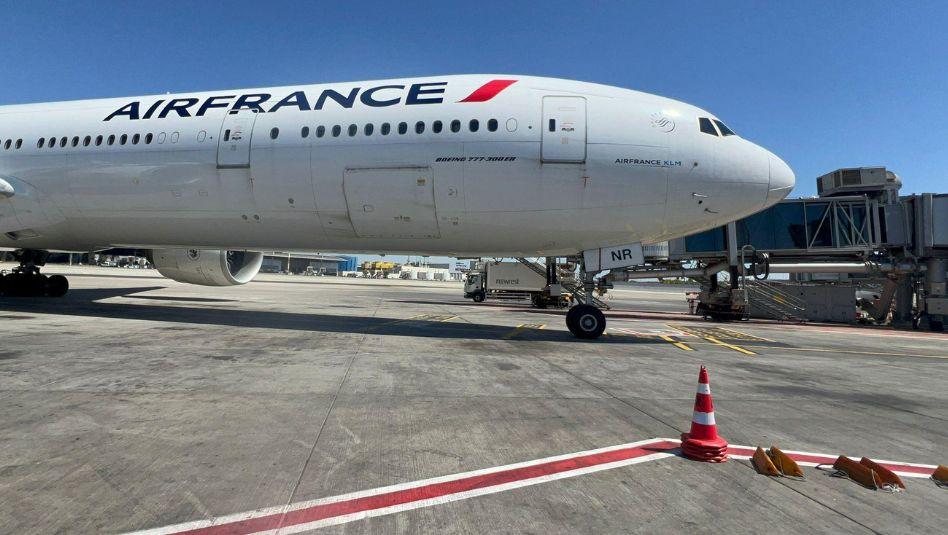
Air France Bans Pakistani Pilots on Israel Flights: What Happened?
Sharing articles Facebook Twitter Pinterest LinkedIn Air France bans Pakistani pilots from operating flights to and from Israel under reported Israeli aviation restrictions that have triggered a wider debate about airline security, nationality and international law. The development has drawn international attention following an alleged cockpit attack aboard a flydubai flight in September 2026, raising
-
Putin’s NATO Warning: Why Europe Is Watching Russia’s Next Move
Putin NATO warning has once again become a major subject of international security discussions as tensions between Moscow and Western governments continue to shape the future of Europe. Russian President Vladimir Putin has repeatedly warned that certain Western military decisions could draw NATO countries into a direct confrontation with Russia. These statements have raised important
-
India, Russia, USA and China: The Sovereignty Debate Explained
India, Russia, USA and China are at the centre of an increasingly important debate about national sovereignty, strategic independence, and the changing balance of global power. A widely discussed geopolitical argument suggests that these four countries possess a level of independence that allows them to make major international decisions without constantly seeking approval from stronger