AI productivity paradox is not just a headline — it’s the growing realization among business leaders that artificial intelligence (AI), despite massive investment and lofty promises, has not yet delivered measurable productivity gains across most companies. Economists are now comparing today’s AI era to the old information technology slowdown noted by Nobel laureate economist Robert Solow in the 1980s: “You see the computer age everywhere but in the productivity statistics.”
Thousands of CEOs and executives from top companies worldwide report nearly no impact of AI on productivity or employment. Adoption outpaces workflow adaptation, skills readiness, and strategic execution, raising questions about what it will take to unlock genuine productivity gains with AI
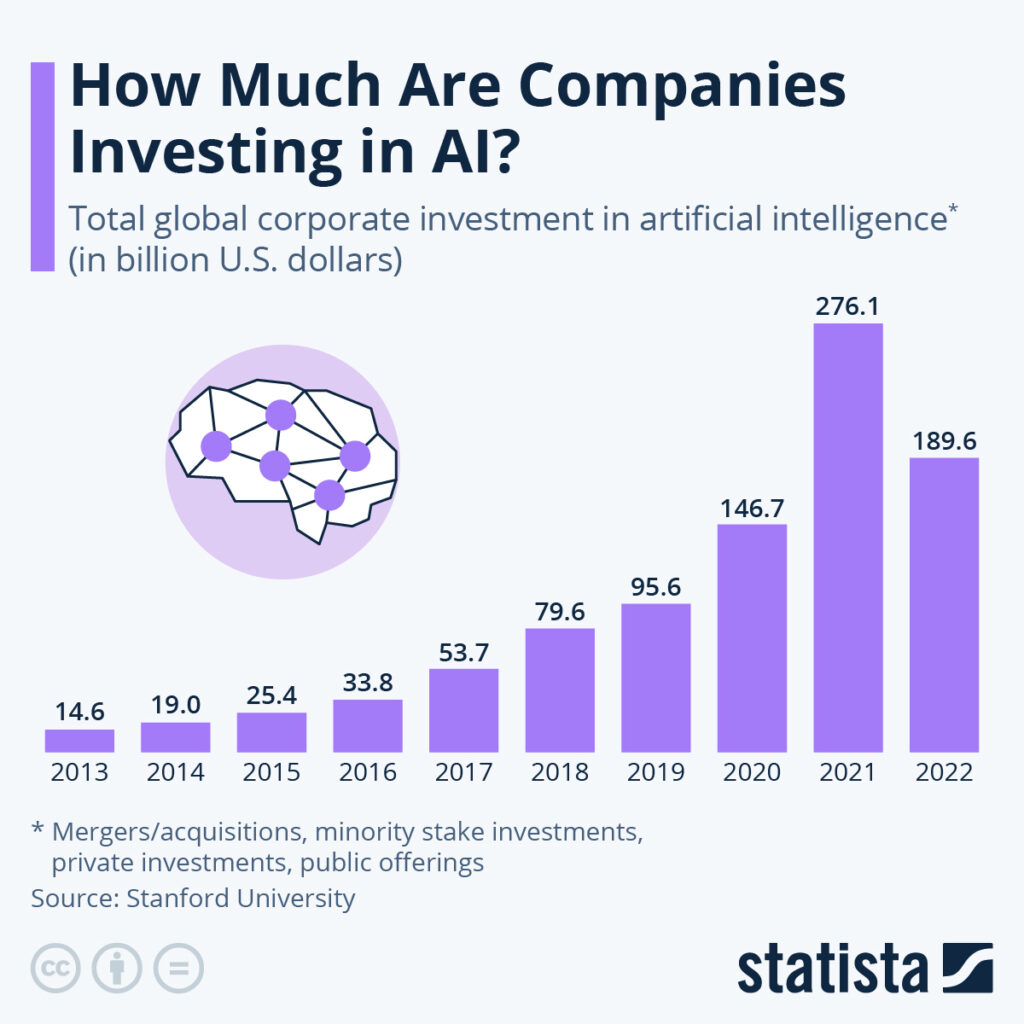
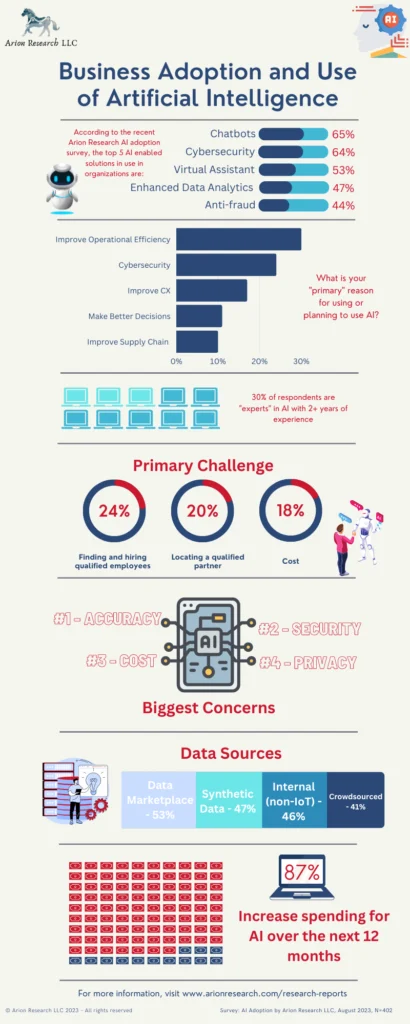
This matters now more than ever because companies are spending billions on AI tools with little to show for it yet, fueling skepticism among investors, workers, and economists — even as leaders forecast growth ahead.
What Executives Are Telling Economists
Recent research surveying more than 6,000 executives in the U.S., U.K., Germany, and Australia shows a striking disconnect: nearly 90% of companies say AI has had little to no impact on boosting workplace productivity or jobs over the past three years.
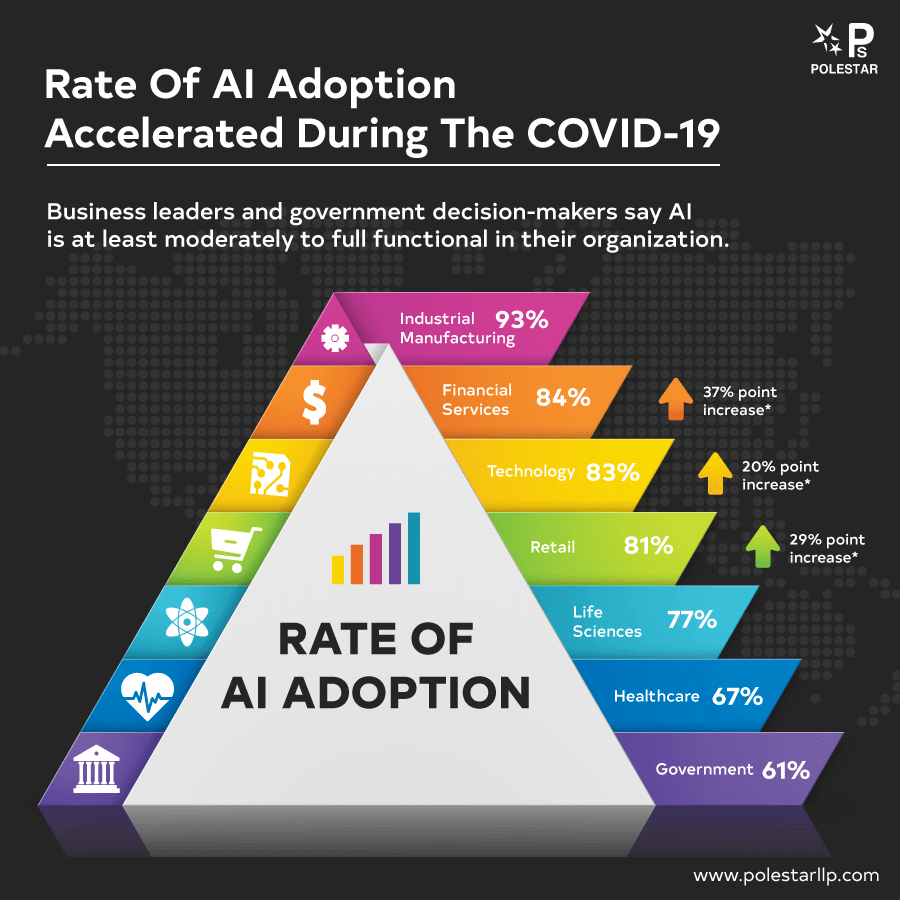
While two-thirds of firms report some AI usage, that often amounts to only about 1.5 hours per week of AI work time. Surprisingly, 25% of firms reported no AI use at all — despite aggressive spending on tools like generative models, chat assistants, and automation platforms.
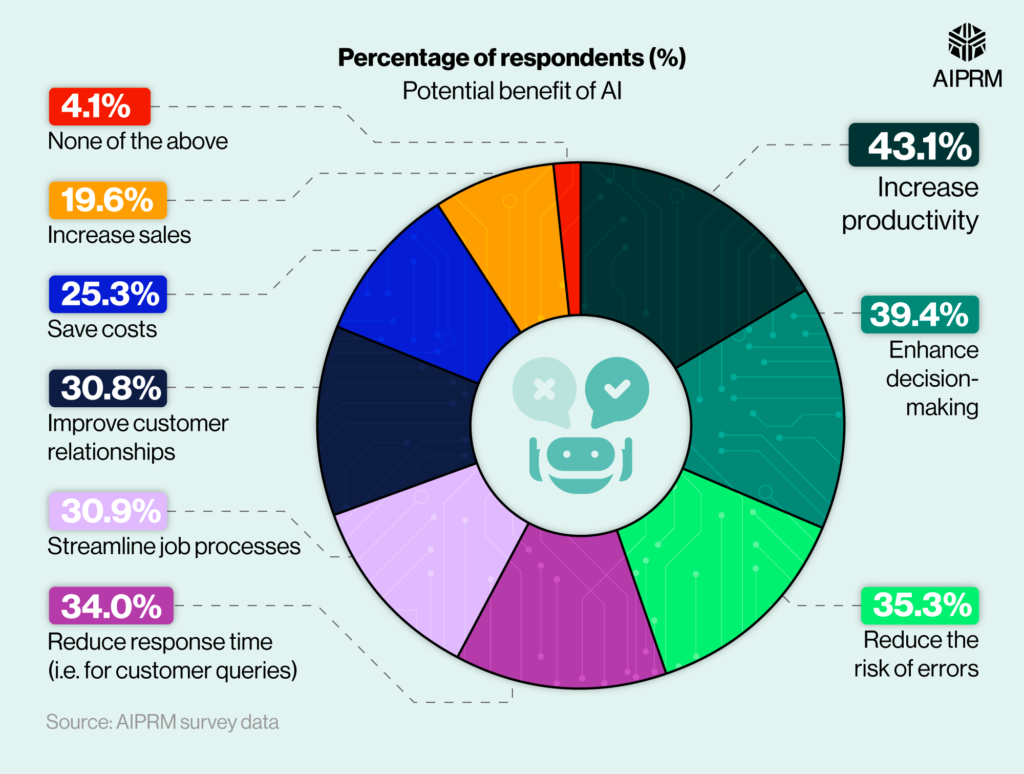
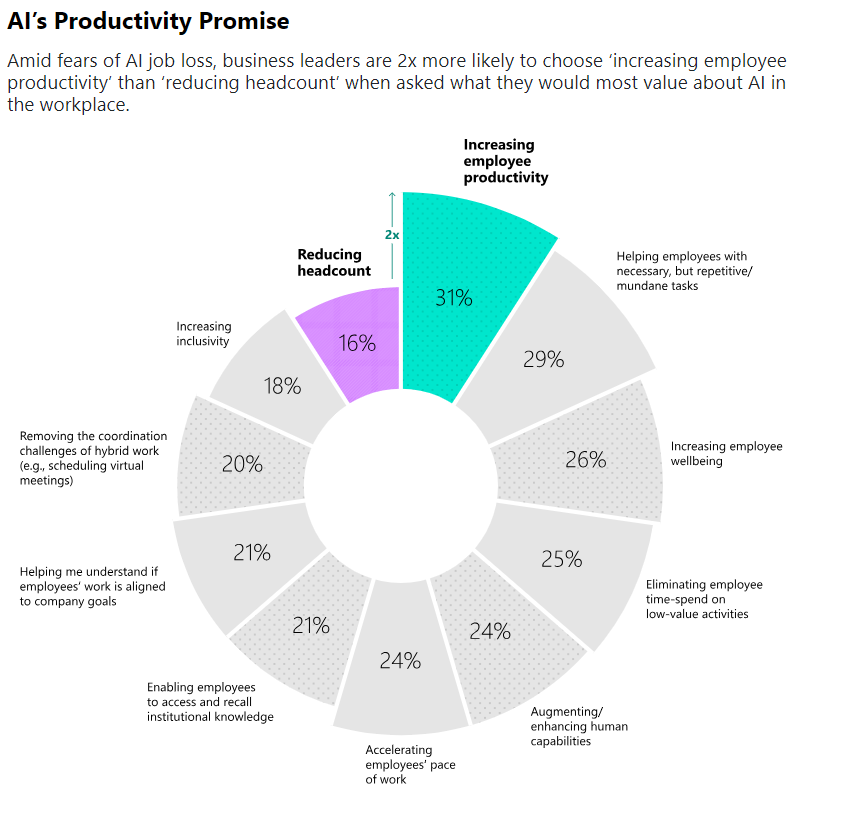
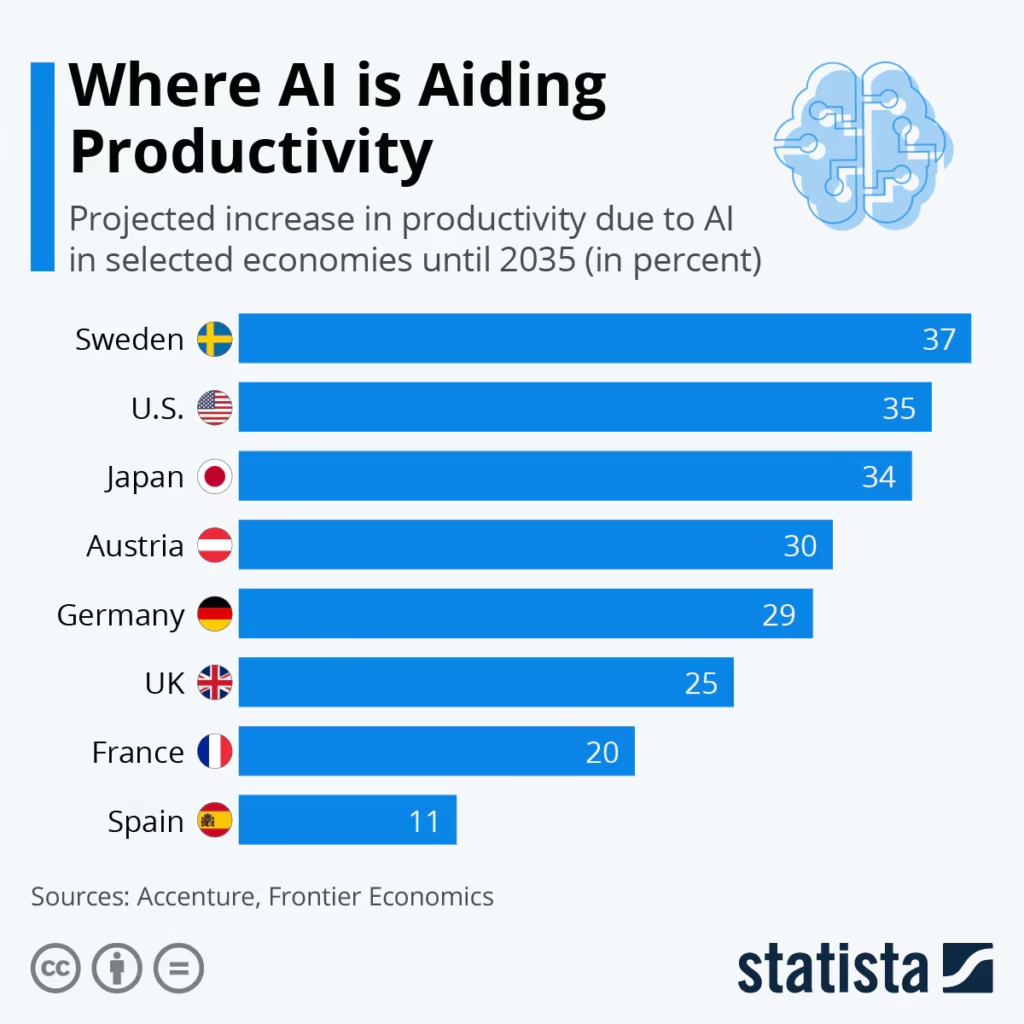
Executives still expect AI to boost productivity by 1.4% and output by 0.8% over the next three years, but these expectations are based on future potential, not current realities. This gap between expectation and measurable results is central to the AI productivity paradox.
Why AI Investment Isn’t Paying Off Yet
There are several reasons why AI hasn’t translated into the productivity revolution tech boosters predicted:
1. Tools Without Strategy
Many organizations treat AI as a checkbox: purchase a tool, deploy it, and expect results. But technology alone doesn’t drive value. Enterprises that do see performance gains follow structured AI strategies — integrating workflows, governance, training, and cross-functional alignment.
2. Workflows and Skill Gaps
Even when AI tools are introduced, workers often lack the training to use them effectively. A Stanford analysis warns that fragmented systems and “workslop” — inefficiencies caused by managing multiple disconnected tools — can actually increase work time and reduce output.
3. Human Bottlenecks
Experts note the productivity issue is not just about machines; it’s about human adaptation. The technology is advancing faster than organizations can redesign processes, train staff, or measure outcomes accurately.
4. Measurement Challenges
Traditional productivity statistics may not capture the real impact of AI, similar to past technology shifts where the full economic effect took years to emerge. Historic studies show that early phases of digital revolutions often understate productivity due to measurement issues and transitional frictions.
The Productivity Paradox in Historical Context
This isn’t the first time a major technology failed to show immediate gains. In the 1970s and 1980s, computers were being installed everywhere — yet official productivity numbers barely budged. Robert Solow famously quipped that despite the presence of computers, their impact didn’t show up in statistics. Later, as businesses reorganized around digital processes in the 1990s, productivity surged.
Economists today see a similar pattern — the AI boom might be in the “J-curve” phase, where slow early returns are followed by accelerated productivity once complementary systems and practices are in place. But whether AI will follow the same trajectory is still uncertain.
What Researchers and Surveys Show
Recent academic and industry research aligns with these findings:
- A Deloitte survey found rising AI investment, but ROI remains elusive because companies often lack a holistic adoption strategy.
- MIT research has shown that individual workers using AI tools like coding assistants can see measurable gains, but these do not automatically scale to whole organizations.
- Other studies highlight that workforce readiness, cultural change, and redesign of job roles are critical to unlocking AI productivity.
Additionally, worker-level research suggests technology can actually increase workload and stress because tasks once time-consuming are simply replaced with more complex responsibilities — paradoxically raising hours instead of lowering them.
Why This Matters Now — And What Comes Next
The AI productivity paradox is significant because so much corporate value and investor optimism hinges on AI’s ability to transform business performance. When productivity gains lag, it raises fundamental questions about:
- Corporate strategy: Are firms prioritizing tool acquisition over meaningful process change?
- Skills and training: Are workers equipped to make use of AI effectively?
- Long-term economic impact: Will AI productivity gains ever reach the levels predicted by executives and economists?
Despite current disappointment, many industry experts remain optimistic that the productivity impact will appear over time — but only if companies rethink how AI is integrated into work, culture, and strategic planning.
In the end, unlocking AI’s true potential may be less about the technology itself and more about how organizations adapt to it.
Subscribe to trusted news sites like USnewsSphere.com for continuous updates.