Trump’s State Department Pick Faces Rare Bipartisan Revolt Over Past Controversial Remarks
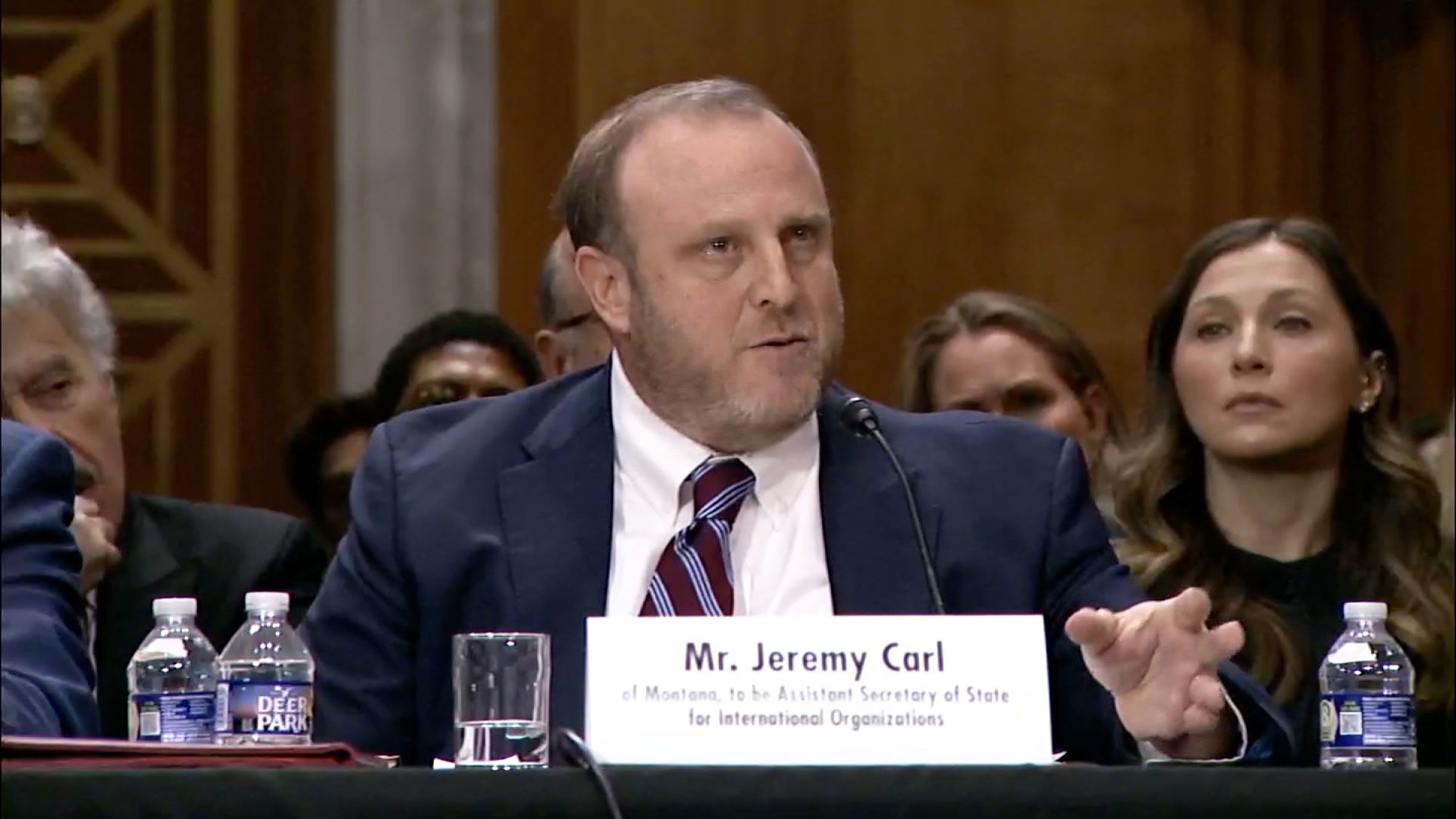
President Trump’s nominee for Assistant Secretary of State for International Organizations, Jeremy Carl, is facing rare and intense opposition from both Republicans and Democrats in the U.S. Senate over past remarks on Israel, Jewish people, race, and more — putting his confirmation at serious risk. Carl’s nomination has drawn sharp criticism during Senate hearings and signaled growing concern about the State Department’s future leadership at a time of global instability and diplomatic complexity, making this controversy a major political story.
This unfolding confirmation battle has significant consequences for U.S. diplomacy, credibility with allies, and leadership within the United Nations and other international organizations. Opponents argue Carl’s past statements and posts — including comments interpreted as insensitive or prejudiced — are incompatible with representing the United States abroad.
Who Is Jeremy Carl, and Why Is His Nomination Controversial
Jeremy Carl is a conservative political commentator and senior fellow at the Claremont Institute who was nominated by President Donald Trump to serve as Assistant Secretary of State for International Organizations — a senior role overseeing U.S. engagement with bodies like the United Nations. Previously, Carl served as Deputy Assistant Secretary at the U.S. Interior Department, but had no traditional diplomatic experience before this nomination.
Lawmakers from both parties have raised concerns over a long record of public statements and deleted social media posts that include controversial topics like the “Great Replacement” theory, criticism of Juneteenth, and comments about Jews, Israel, and race. During Senate hearings, Carl faced pointed questions about these remarks and conceded that some were “absolutely wrong,” especially comments trivializing the Holocaust.
Why Republican Senator John Curtis Broke Ranks
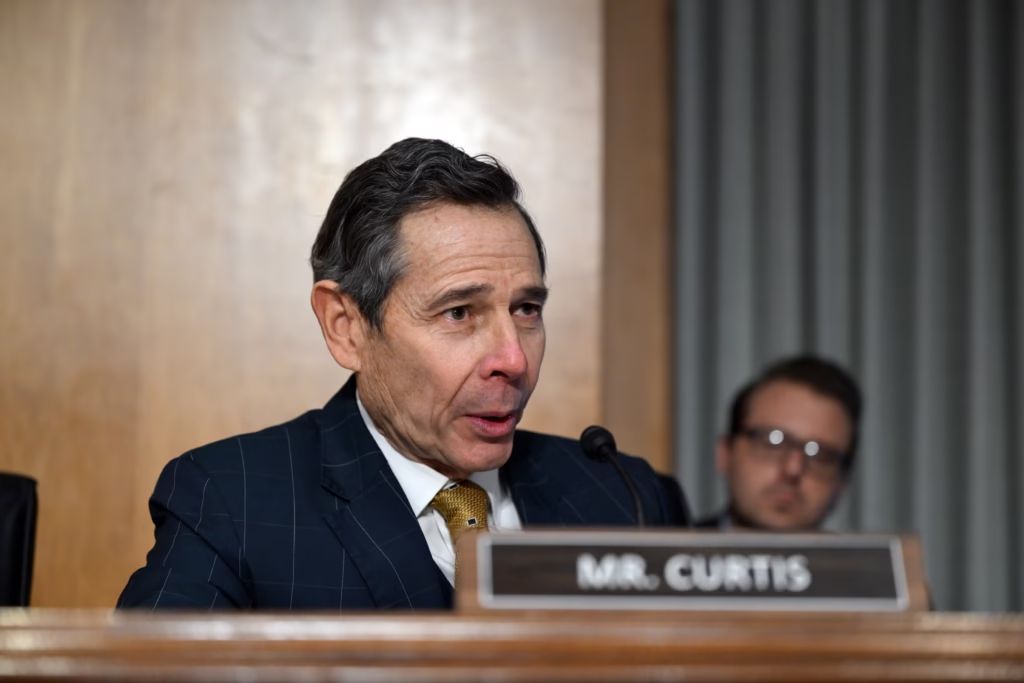
In a rare break from his party’s leadership, Republican Senator John Curtis of Utah publicly announced he would oppose Carl’s confirmation — a move that significantly undermines Carl’s prospects in the Senate Foreign Relations Committee. Curtis said Carl’s perceived anti-Israel and insensitive comments about Jewish people are “unbecoming” of someone expected to represent the United States in international forums.
Curtis’s decision matters because if all Democrats on the committee also vote against Carl — which they have signaled they will — Carl is likely to fail even with a Republican Senate majority. This marks one of the most prominent instances in recent history in which a Republican has opposed a key Trump nomination on the basis of character and aptitude.
How Democrats Are Responding
Senate Democrats, including figures like Cory Booker and Chuck Schumer, have united in opposition to Carl, citing what they call a “pattern of discrimination” and views they deem unsuitable for a top diplomatic post. During hearings, Democratic senators questioned Carl on his past statements about Jewish people and other groups, often highlighting the deeper implications for U.S. leadership on human rights and equality.
Democrats have repeatedly emphasized that American diplomatic leadership must uphold principles of fairness, respect for diversity, and global cooperation. In their view, Carl’s remarks undermine those principles and could weaken U.S. credibility with allies and institutions around the world.
What This Means for U.S. Foreign Policy and Diplomacy
The nominee’s fate carries broader implications for U.S. foreign policy. U.S. engagement with international institutions — including UN agencies — depends on leaders seen as credible, representative, and capable of upholding American values and global agreements. Critics say confirming Carl could damage trust with partners, especially on sensitive issues like human rights, multilateral cooperation, and anti-discrimination efforts.
Furthermore, Carl’s nomination reflects deeper tensions over the Trump administration’s approach to staffing diplomatic positions and its broader strategy for shaping American influence abroad. With several key positions still unfilled, the administration’s ability to place controversial figures in leadership could reshape U.S. posture within global forums.
What Happens Next and Why It Matters Now
With Carl’s confirmation vote still pending, the outlook is uncertain — but many analysts predict his chances are fading as bipartisan criticism grows. If he fails, it would be another setback in an ongoing struggle for the Trump administration to secure Senate approval for senior diplomatic nominees.
This controversy matters now because it highlights how divisions over ideology and qualifications are reshaping American governance — and because the leadership of U.S. foreign policy agencies remains central to how the United States engages with urgent global challenges. International partners and U.S. diplomats are watching closely, and the outcome may ripple into broader debates about America’s role on the world stage.
Subscribe to trusted news sites like USnewsSphere.com for continuous updates.