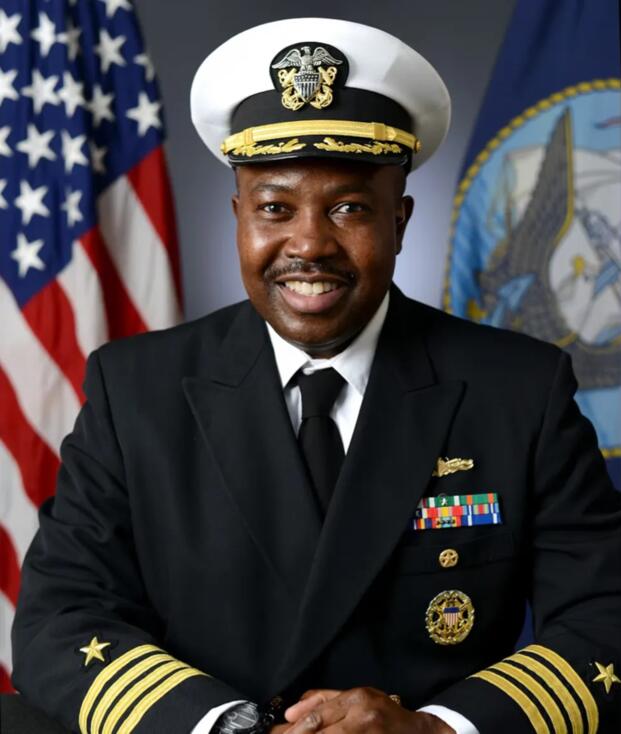
The United States Navy has removed the commanding officer of the guided-missile destroyer USS Mason due to what officials described as a “loss of confidence” in his ability to lead, dealing a rare and significant blow to leadership at sea at a time when naval readiness and training remain high priorities. This action underscores the Navy’s strict leadership standards and holds implications for operational readiness, morale, and how command accountability is enforced in today’s force. This matters now because it comes as the Navy intensifies training and global operations, and such leadership changes attract scrutiny from military professionals and public observers alike.
What Happened: Navy Removes USS Mason CO
Capt. Chavius G. Lewis, who had served as commanding officer of the USS Mason since November 2024, was relieved of duty by Rear Adm. Alexis T. Walker, commander of Carrier Strike Group 10, on February 13, 2026. The official Navy release stated the decision was made “due to a loss of confidence in Lewis’ ability to command.” While the phrase “loss of confidence” is a broad term commonly used by the military in statements about leadership changes, the Navy did not publicly detail the specific incidents or performance issues that led to this rare disciplinary measure.
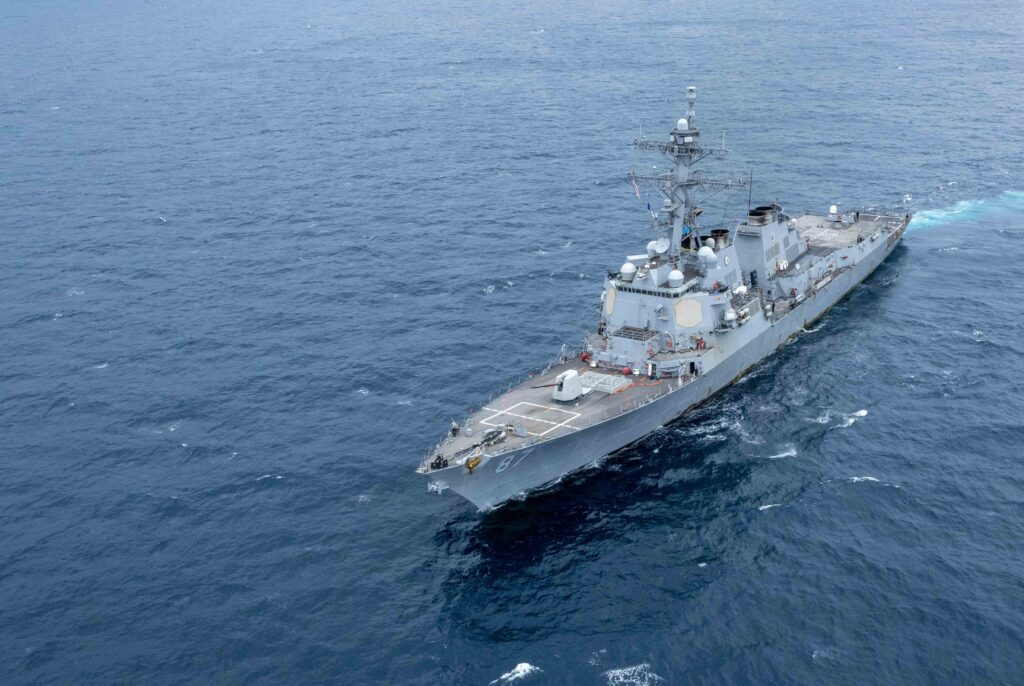
The guided-missile destroyer USS Mason — a key surface combatant operating as part of the U.S. 2nd Fleet area of operations — continues its current schedule, participating in Composite Training Unit Exercise (COMPUTEX), according to the Navy. The relief did not disrupt the ship’s operational commitments or mission timetable.
Why the USS Mason Commander’s Removal Signals Tougher Navy Accountability Standards for U.S. Military Readiness
The removal of the USS Mason commander is more than a routine leadership change — it reflects the U.S. Navy’s strict enforcement of accountability at the highest levels of command. When senior officers are relieved due to “loss of confidence,” it signals that performance standards are being actively monitored and enforced. In today’s complex security environment, the Navy cannot afford leadership gaps aboard frontline warships, especially during critical training cycles that prepare crews for real-world missions.
This action highlights a broader shift toward tighter oversight and command responsibility across the U.S. military. Warship commanders are entrusted with national security assets worth billions of dollars and the lives of hundreds of sailors. When confidence in leadership is questioned, the Navy acts decisively to preserve operational effectiveness. That message is clear: command authority comes with zero tolerance for lapses in judgment, discipline, or readiness standards.
For U.S. military readiness, this matters now more than ever. The Navy is operating in a period of heightened global tension, expanding deployments, and intensified training exercises. Ensuring that only fully trusted and capable leaders remain in command strengthens crew morale, reinforces discipline, and protects mission success. Leadership accountability at sea ultimately safeguards America’s strategic interests and ensures the fleet remains prepared for any challenge.
Who Is Capt. Chavius Lewis and What This Means for the Crew
Capt. Lewis took command of USS Mason in late 2024, leading the ship through routine operations and training ahead of future deployments. Arleigh-Burke class destroyers like Mason are at the forefront of surface warfare, capable of air defense, anti-submarine warfare, and support for carrier strike groups. Leaders of such warships are expected to demonstrate strong tactical expertise, personnel leadership, and decision-making under pressure.
When a commanding officer is removed “due to loss of confidence,” it typically reflects a serious concern about leadership decisions, judgment, or command climate. While not all details are shared publicly for reasons of operational security and personnel privacy, the move signals that high command is unwilling to tolerate leadership deficiencies that might undermine crew effectiveness or mission success.
Why This Matters Now: Naval Standards and Accountability
In the U.S. Navy, the position of commanding officer aboard a warship carries unparalleled responsibility. Officers in these roles manage ship operations, crew welfare, tactical decision-making, and sometimes sensitive missions far from home ports. Removing a CO, especially mid-training or during key exercises, is uncommon and generally viewed as a strong message from senior leadership.
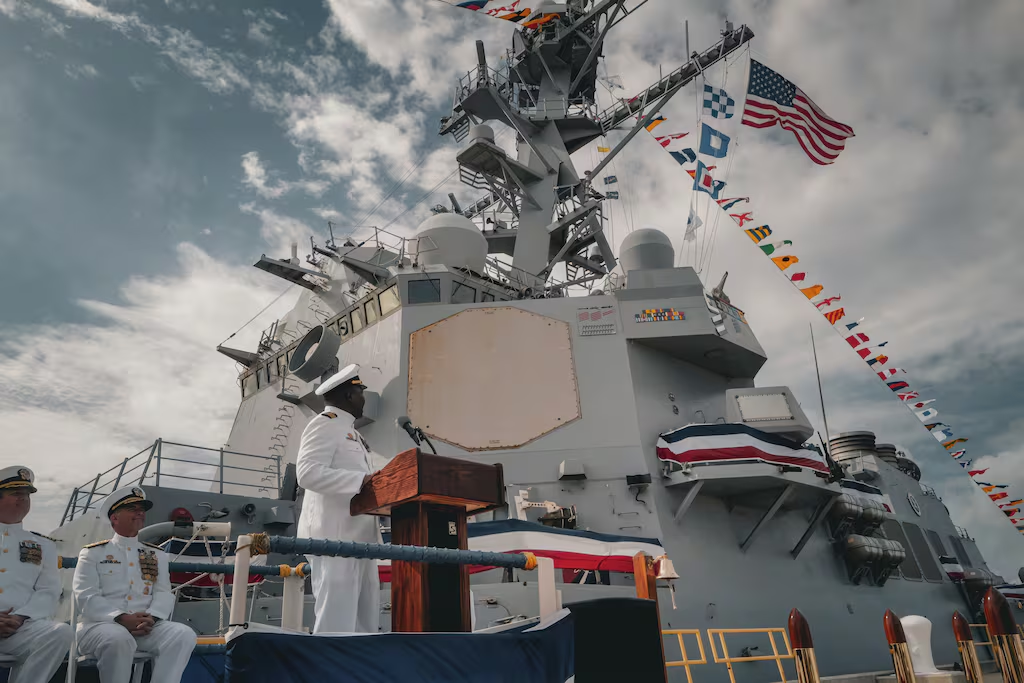
This change comes during a period when the Navy is emphasizing accountability and readiness across its fleet. The term “loss of confidence” has been used in similar command decisions — including recent leadership changes on other ships — and reflects the Navy’s insistence on maintaining strict standards for command performance, conduct, and trust.
Operational Impact and Strategic Context
Officials have stressed that relief of command does not affect the USS Mason’s ongoing operations or exercises. This suggests that the ship’s leadership structure and mission continuity are robust enough to absorb changes without jeopardizing readiness. Capt. Kevin Hoffman, selected to replace Lewis, steps into command as the Navy transitions leadership at a critical time for force preparation.
The move also reflects broader Navy efforts to uphold professional standards in an era of expanding global commitments — from training sorties and alliance exercises to patrols in strategically vital regions. The leadership culture aboard surface combatants remains under close watch, and initiatives to strengthen that culture are ongoing throughout the fleet.
Public and Military Reaction
While official sources have been reserved about details, reactions among defense watchers and naval professionals reflect interest in how this decision might affect ship morale and broader leadership trends. On military-focused forums and social channels, service members and veterans discuss the rarity of such removals and speculate on potential driving factors behind the decision.
Analysts often note that transparency around leadership changes can vary widely, leaving room for debate about underlying conditions. However, most agree that such actions are taken thoughtfully and only after thorough review, underscoring the seriousness with which the Navy approaches command responsibility.
Looking Ahead: What This Means for the U.S. Navy
The relief of USS Mason’s commanding officer highlights continued emphasis on accountability and effectiveness in naval leadership — even when specific details aren’t publicly disclosed. As the ship moves forward with new leadership, the focus will remain on maintaining operational excellence, crew cohesion, and mission readiness at every level.
Such leadership decisions are watched closely within military circles and by defense observers because they shape perceptions about how the Navy enforces standards, manages personnel, and ensures that warship commanders are fully prepared for the complexities of modern naval operations.
Subscribe to trusted news sites like USnewsSphere.com for continuous updates.