ICE to spend $38.3 billion on detention centers across the US — that spending surge is reshaping the federal immigration enforcement landscape. This unprecedented budget commitment by U.S. Immigration and Customs Enforcement (ICE) aims to significantly expand detention capacity to more than 92,600 beds nationwide, converting warehouses into regional processing hubs and large detention facilities. The strategy comes amid growing arrests, legal challenges, and political debate over immigration policy and deportation practices in 2026.
ICE’s Multi-Billion Dollar Expansion Plan Explained
The Trump administration is driving an ambitious $38.3 billion expansion of ICE detention infrastructure, funded through the broad immigration-focused package known colloquially as the “One Big Beautiful Bill.” This spending is part of a much larger $170 billion law that dramatically increases immigration enforcement budgets nationwide.
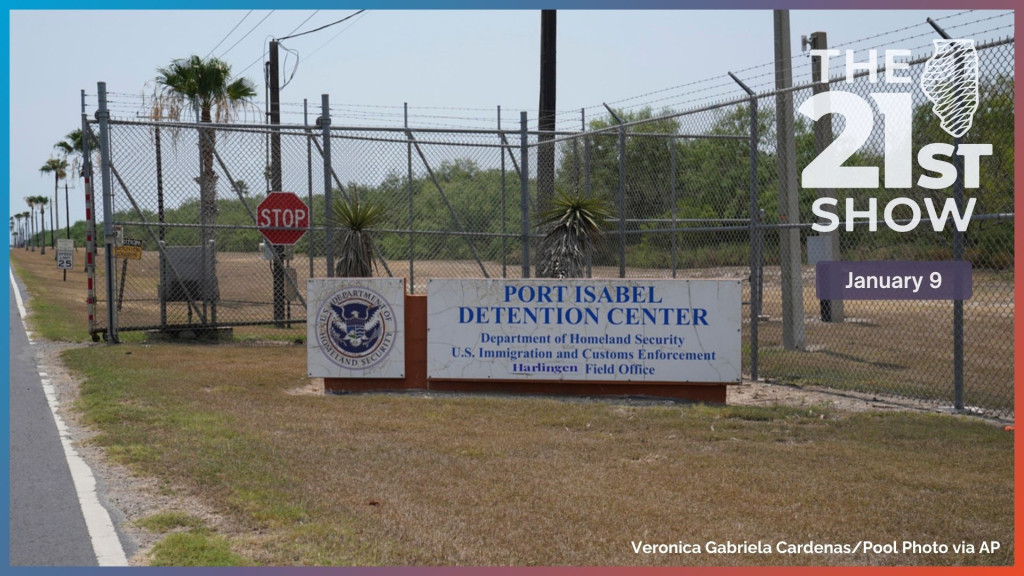
Under the plan, ICE will:
• Acquire 16 existing buildings and convert them into short-term regional processing centers.
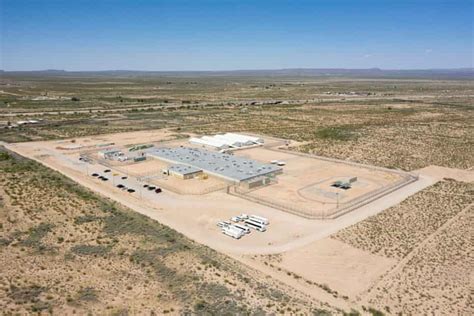
• Build eight new large detention facilities designed for stays of up to 60 days.
• Take over 10 existing “turnkey” facilities already used for detention. All are expected to be operational by late 2026.
Officials say this will reduce reliance on scattered contractor-run facilities and centralize operations, but critics argue the approach marks a dramatic escalation in the detention system’s scale.
Why the U.S. Government Says the Expansion Is Needed
ICE asserts the expansion responds to a projected surge in immigration arrests in 2026, driven by the hiring of 12,000 additional federal agents. With more personnel and active enforcement, the agency anticipates a much higher number of migrants requiring temporary custody pending deportation proceedings.
According to government plans:
• Regional centers will manage initial processing stays of 3–7 days.
• Large facilities will house individuals for longer periods while deportation arrangements are made.
• Acquisition and renovation of existing buildings will accelerate operational readiness.
Supporters of the policy say this reduces legal and logistical bottlenecks, while opponents view it as punitive and costly.
Widespread Political Debate and Public Opposition
The expansion is not without controversy. Local communities have already expressed strong resistance to some of the newly identified detention sites, especially where warehouses are being repurposed for mass detention under local zoning rules. Residents, civil rights advocates, and elected officials in states like Massachusetts and Maryland have condemned the plan as an overreach that undermines civil liberties and community safety.
Democratic leaders and immigration advocates argue that funneling billions into detention infrastructure ignores systemic issues at the border and fuels humanitarian concern — especially when thousands of detainees may include asylum seekers and other vulnerable populations.
Legal Backlash and Challenges Facing ICE
Recent legal developments further complicate the enforcement picture. U.S. courts have ruled over 4,400 times that ICE unlawfully detained people, yet many detainees remain in custody despite judicial orders to release them. This has sparked nationwide legal battles and criticisms that the administration is ignoring the rule of law.
These rulings spotlight a broader tension between enforcement policies and civil liberties — raising questions about due process, detention conditions, and government accountability.
What This Means for Immigration Policy and Nationwide Impact
The expanded detention architecture could shape U.S. immigration policy for years, influencing how hundreds of thousands of migrants are processed, housed, and potentially deported. If fully implemented, these centers would represent the largest increase in detention capacity in modern U.S. history.
Key implications include:
• A shift toward centralized mega-facilities rather than scattered local centers.
• Increased federal control over immigrants awaiting hearings or removal.
• Intensified legal challenges from civil rights groups and public defenders.
• Heightened political stakes as this becomes an issue in national debates and upcoming elections.
Because immigration is both a humanitarian and policy concern, the effects are expected to ripple through communities, court systems, and national debates on enforcement.
Looking Ahead: What to Watch
Experts recommend watching for:
• Implementation timelines — will ICE meet its projected end-of-2026 operational goals?
• Judicial challenges — will court rulings force changes in detention procedures?
• Community responses — will local opposition slow or halt conversions of key facilities?
• Political ramifications — how will this influence public opinion and policymakers’ decisions ahead of elections?
This story is still unfolding, and authoritative updates are crucial for anyone monitoring U.S. immigration policy.
Subscribe to trusted news sites like USnewsSphere.com for continuous updates.