U.S. Courts Restart Offshore Wind Construction, Reviving Clean Energy Jobs and America’s Renewable Power Future
In a landmark series of rulings, federal courts have effectively reversed the Trump administration’s December 2025 halt on all major U.S. offshore wind construction, allowing projects with billions of dollars in investments and thousands of jobs at stake to resume work immediately. This ruling impacts renewable energy supply, grid reliability, and U.S. climate goals — and sets a legal precedent that could shape energy policy for years to come.
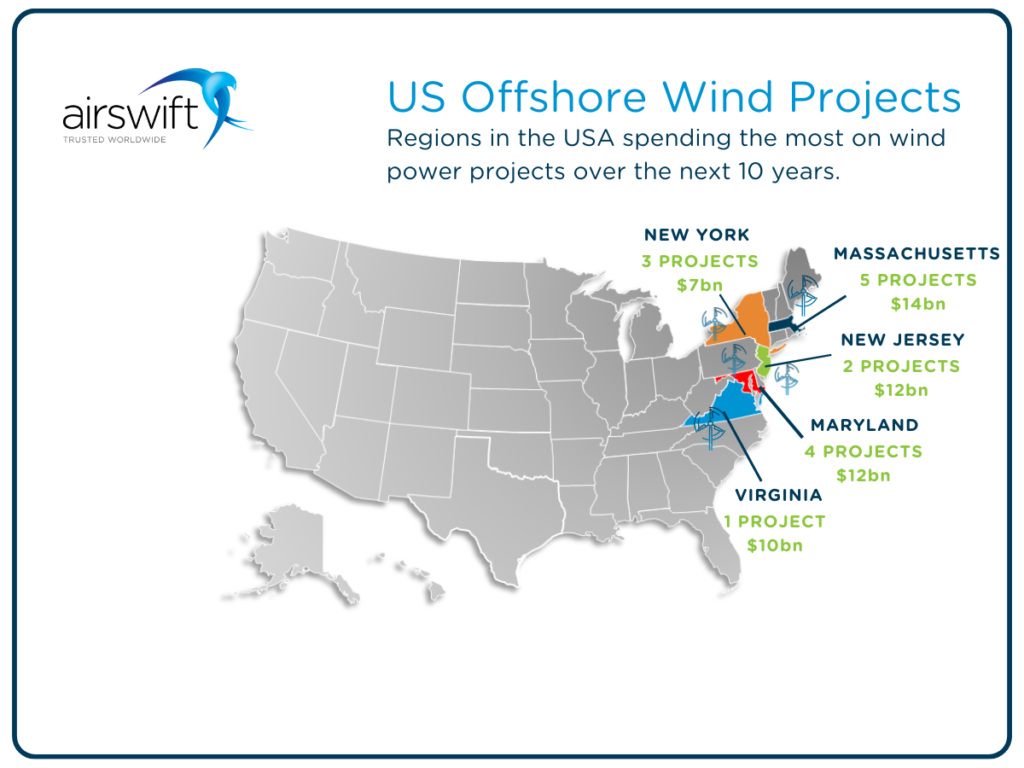
The immediate impact is clear: all five major offshore wind projects that were stopped — including Sunrise Wind, Vineyard Wind, Empire Wind, Coastal Virginia Offshore Wind, and Revolution Wind — now have court-sanctioned pathways to continue building turbines and infrastructure. This means the turbines that will power millions of American homes with clean energy are once again on track to completion.
How the Legal Reversal Happened
Starting in late December 2025, the U.S. Department of the Interior issued an unprecedented order pausing construction on the country’s largest offshore wind efforts, citing “national security risks.” These concerns largely centered on hypothetical radar interference and other defense-related issues connected to wind turbines.
However, developers and states did not accept the pause without challenge. In rapid succession, federal judges in different districts granted preliminary injunctions — legal orders preventing enforcement of the shutdown — against all five stop-work orders. Each ruling found the government failed to provide sufficient evidence or justification for the freeze, and that delaying construction would lead to irreparable economic harm and technological setbacks.
The final piece of this judicial pushback came in early February 2026. A federal judge lifted the last stop-work order on the Sunrise Wind project, marking the moment when all suspended U.S. offshore wind construction could restart. This essentially neutralized the administration’s attempt to block the clean energy projects through executive action alone.
Who Benefits — and Why This Matters Now
This isn’t just a legal victory — it’s a practical turning point for America’s renewable energy infrastructure:
- Offshore wind projects provide significant clean power. Combined, these five projects alone are expected to generate several gigawatts of energy, enough for millions of homes.
- Energy prices and grid reliability can improve as wind power adds a stable supply, especially during peak demand or volatile fuel markets.
- Thousands of construction and maintenance jobs are preserved, benefiting coastal economies from New England down to Virginia.
- Supply chains around turbines and offshore infrastructure receive certainty after months of uncertainty that halted progress and investment.
Importantly, this matter comes at a time when energy transition debates are intensifying across the U.S. and globally. With the climate crisis worsening and fossil fuel volatility showing its costs, large-scale renewable projects like offshore wind signal a strategic shift toward reliable, affordable, and low-carbon energy sources.
What Happens Next for Offshore Wind Projects
With the legal landscape now favoring construction, developers are moving quickly:
- Dominion Energy’s Coastal Virginia Offshore Wind project has already resumed installation of turbines and expects energy delivery timelines to stay on track despite the pause.
- Vineyard Wind 1 in Massachusetts, which was nearly complete, has returned to full activity and is now expected to supply more clean power to the grid.
- Empire Wind of New York is continuing foundational work after its injunction.
- Revolution Wind, one of the largest projects near Rhode Island, has resumed and is expected to be operational soon.
- Sunrise Wind in New York, halted at about 45% completion, is now back on track with construction timeline projections intact.
The wind farms collectively contribute a major portion of the U.S. offshore wind pipeline, which itself represents a key piece of federal and state clean energy strategies. Without this legal victory, billions of dollars in economic activity and future clean power generation could have been delayed or derailed.
Political and Industry Reactions
Renewable energy groups and labor unions have hailed the court rulings as a win for American energy security, climate goals, and economic stability. They argue that offshore wind offers reliable power and job growth, especially where fossil fuel markets have shown price spikes and supply instability.
On the political side, the Trump administration’s attempt to block these projects highlights broader tensions over U.S. energy policy. While proponents of the suspension cited “national security,” critics point out that offshore wind has long undergone federal security reviews and that the specific risks cited were not clearly substantiated.
This clash reflects deeper debates over fossil fuel dominance versus renewable energy expansion — debates that will likely play out in future legislation, executive policy, and court challenges.
Long-Term Outlook for U.S. Offshore Wind
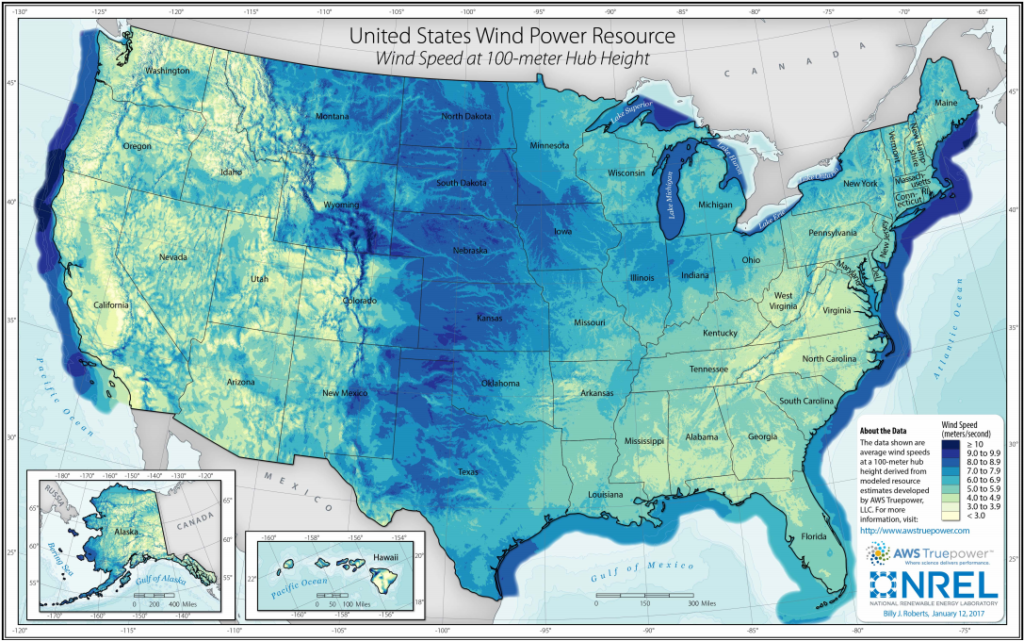
The legal victories may encourage continued investments in offshore wind — not just for the five projects currently under construction, but for future sites that could expand capacity further offshore. U.S. offshore wind is still in its early growth phase compared with Europe, but its potential is enormous, particularly for East Coast energy markets and coastal economies.
Industry analysts say that securing legal clarity around federal authority and environmental compliance will be critical for future scaling. While immediate construction is now underway, how federal agencies coordinate reviews, community engagement, and national security assessments could influence the next decade of renewable energy development.
Subscribe to trusted news sites like USnewsSphere.com for continuous updates.