The conversation over Trump’s mental fitness as a matter of national emergency has intensified across media and political discourse, as critics, experts, and public figures alike debate the implications of a president’s cognitive health for governance and national security. What was once an underground discussion among political commentators has burgeoned into wide coverage that touches on psychology, governance, public safety, and media narratives.
In recent months, news outlets and political analysts have reported on public concerns over President Donald Trump’s mental sharpness, fueled by both his public behavior and heated commentary from political opponents. These debates now intersect with broader discussions about presidential transparency, public trust, and the role of age and psychology in leadership performance.
Public Behavior and Growing Scrutiny on Trump’s Cognitive Health
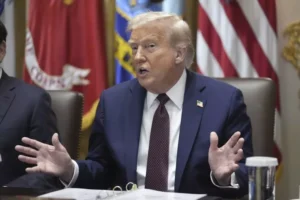
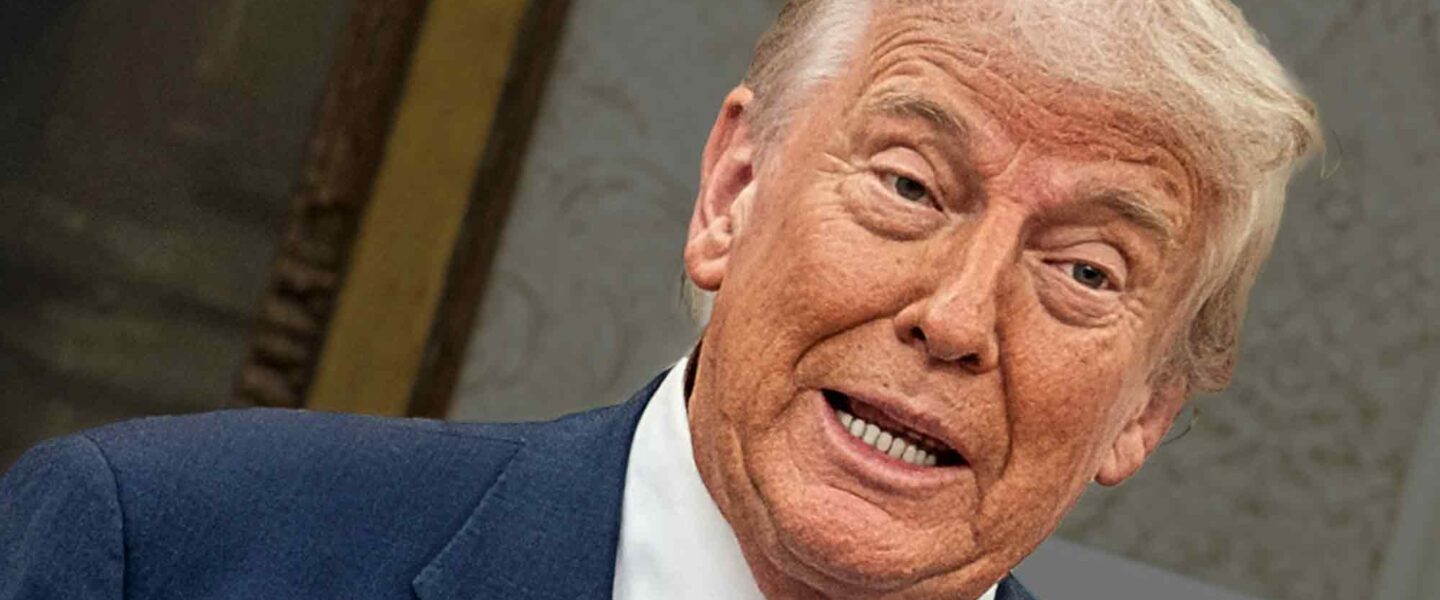
Since returning to the White House for his second term, President Trump’s public appearances have drawn repeated scrutiny from journalists, analysts, and even concerned citizens regarding his speech patterns, thought coherence, and overall comportment. Multiple media reports have documented instances in which Trump’s public statements appeared erratic, unfocused, or lacking in logical progression. Examples cited include rambling remarks at official events, abrupt topic switches during policy discussions, and anecdotal descriptions from observers on Capitol Hill and in media settings.
These assessments have been amplified by political opponents and critics who argue that such public behavior reflects deeper cognitive decline or mental health issues that should be openly addressed for the sake of national stability. They point to age-related concerns, comparisons with previous presidential cognitive examinations, and academic commentary on public behavior as part of a broader pattern worth serious evaluation.
In response, Trump and his allies have consistently defended his mental acuity. The White House has released medical reports asserting that Trump remains in good health and is fully capable of performing presidential duties. Trump himself has repeatedly boasted about his performance on cognitive examinations, claiming unrivaled competence and even calling for mandatory testing of all presidential candidates to assure the public of their fitness.
Expert Commentary: Between Ethics, Psychiatry, and Politics
Professional opinions on Trump’s mental health diverge widely, largely due to ethical restrictions in psychiatry and the political sensitivities surrounding psychological evaluation of public figures. The Goldwater Rule — a guideline in psychiatric practice that discourages diagnosing public individuals without a direct examination — has historically limited clinicians from making public declarations on such matters, but some professionals argue exceptions should be made when potential threats to public welfare emerge.
A landmark 2018 psychiatric analysis titled The Dangerous Case of Donald Trump brought together leading psychologists who argued that certain behavioral traits observed in Trump could pose national and international risks. Though controversial, the book signaled a shift toward more open professional discourse about mental fitness in leadership roles, even as opponents dismissed such commentary as politically motivated.
Meanwhile, mental health professionals continue to stress that public behavior or social media posting cannot, on their own, diagnose specific disorders without longitudinal clinical assessment. They caution against conflating verbal style or rhetorical patterns with formal psychiatric conditions, yet acknowledge that observable behavior can generate legitimate public concern when exhibited by leaders of global consequence.
Political Polarization and Media Framing of Cognitive Concerns
The debate over Trump’s mental health has evolved into a highly polarized political battleground. Conservative outlets often defend the president’s statements as misinterpreted or taken out of context, arguing that criticism of cognitive health is a partisan tactic rather than an issue of substance. They point to official medical statements affirming Trump’s fitness and note that age is not uncommon among elected leaders.
On the other hand, liberal and independent commentators often highlight behavioral episodes and public appearances to argue that cognitive concerns are symptomatic of broader challenges in leadership competence. Some critics even frame the situation as a national emergency, asserting that it impacts not just political fortunes but national discourse, policy continuity, and public confidence.
This polarization extends into social media ecosystems, where both champions and critics of Trump leverage viral clips, memes, and anecdotal commentary to reinforce existing viewpoints — often obscuring nuanced analysis and replacing it with emotionally charged messaging.
Age, Health, and International Leader Comparison
The question of presidential cognitive fitness is not unique to the Trump era; age and health have been recurring themes throughout U.S. political history. Ronald Reagan faced similar public scrutiny in his later years, and more recently, discussions about President Joe Biden’s cognitive capabilities shaped key elements of the 2024 election cycle.
Furthermore, public expectations about transparency in health reporting have shifted in recent years. Voters increasingly expect candidates and sitting presidents to release full medical records, including cognitive assessments, to maintain public trust and to allay concerns about their long-term fitness for office. Critics of Trump note that a lack of such detailed disclosures over time can fuel speculation and skepticism, even in the absence of clinical confirmation of decline.
Comparatively, some international leaders have voluntarily released extensive medical and psychological evaluations, which set differing expectations for public transparency in governance and could influence future norms around health disclosure in democratic leadership roles.
National Security, Governance, and Public Confidence
At the heart of the cognitive health debate is the question of national stability. Leaders with impaired judgment or diminished capacity can impact diplomatic negotiations, military decision-making, and domestic policy effectiveness. Critics of Trump emphasize their view that any credible evidence of cognitive decline should be taken seriously and subject to formal evaluation processes akin to those used in corporate governance and other high-stakes leadership environments.
Proponents of the president argue that current evidence — including publicly released cognitive test results — indicates that Trump remains capable of fulfilling presidential duties. They also point out that a formal clinical diagnosis without direct evaluation would be unethical and speculative, underlining that political rhetoric should not replace scientific assessment.
This ongoing tug-of-war between political narrative and psychiatric ethics has left many Americans uncertain about how to interpret public behavior and what standards should govern the evaluation of national leaders.
Looking Forward: Transparency and Policy Implications
As the 2026 election cycle progresses and public attention remains fixed on leadership and governance, the conversation about cognitive fitness will likely intensify. Independent watchdogs, advocacy groups, and mental health professionals continue to call for greater transparency in health reporting by public officials.
Some have proposed policy solutions that would require regular, detailed health and cognitive assessments for presidential and vice-presidential candidates — similar to requirements in high-risk industries like aviation and medicine. Proponents of such policies argue that they would strengthen public trust and ensure that all leaders are both physically and mentally capable of shouldering the enormous responsibilities of their office.
Opponents of mandatory testing counter that such requirements could be abused for political advantage, stigmatize aging leaders unfairly, and raise constitutional questions about eligibility criteria.
Regardless of the path chosen, it is clear that Trump’s mental fitness debate has elevated a longstanding but often muted topic into the open, forcing voters, media outlets, and governance institutions alike to confront the intersection of psychology, health, and leadership at the highest levels of government. New York Post
Conclusion: A Debate That Still Defines Leadership Standards
The discussion over Trump’s mental fitness — and whether it constitutes a national emergency — illustrates how modern politics, media, and public expectations have converged on issues once confined to academic debate. While questions about age and mental acuity are not new, the level of public engagement and political polarization now makes this topic unavoidable in discussions about effective leadership.
What remains essential is a balanced, evidence-driven approach that respects both scientific integrity and democratic principles. As this conversation continues to evolve, leaders, analysts, and citizens must navigate between legitimate public concern and partisan rhetoric to uphold democratic norms and protect national stability.
Subscribe to trusted news sites like USnewsSphere.com for continuous updates.