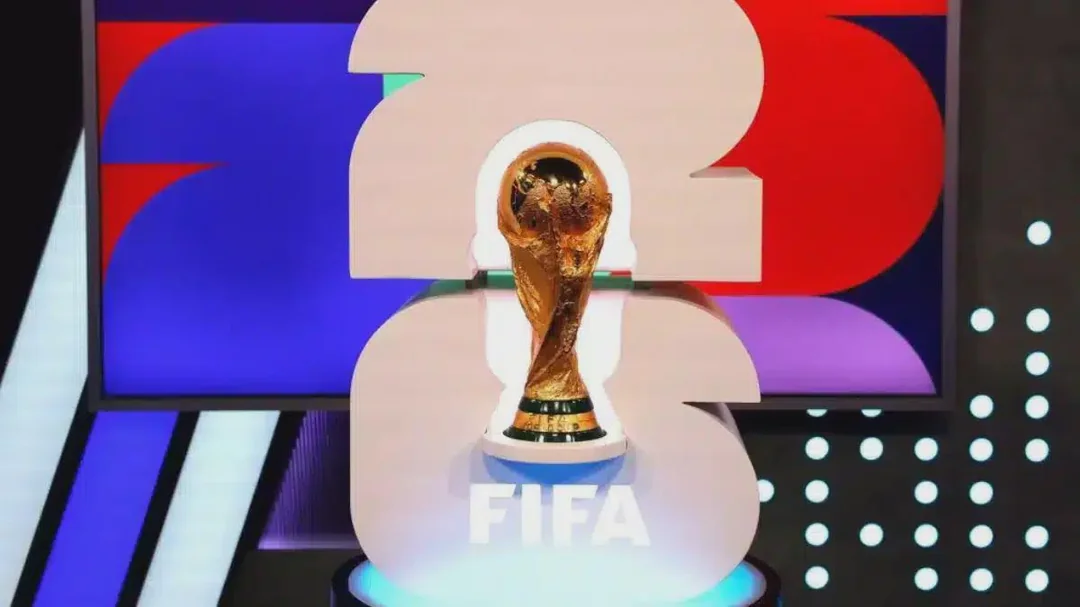
The world of football — the sport that unites billions — is facing an unexpected controversy: nearly 17,000 fans have reportedly canceled their tickets for the 2026 FIFA World Cup in protest, citing growing concerns about safety and political unrest in the United States, where many of the matches will be hosted.
While the tournament was billed as a historic celebration — co-hosted by the U.S., Canada, and Mexico — recent developments have shifted the global narrative from anticipation to anxiety. Fans from across continents are now publicly withdrawing their plans to attend, not due to sporting disappointment but because of mounting fears and a rising boycott movement on social media and beyond.
Why Fans Are Pulling Back From the 2026 FIFA World Cup
The reported surge in ticket cancellations is not happening in a vacuum. Football supporters have long been passionate and global in their reach, but recent political developments in the United States — particularly immigration policy shifts and aggressive enforcement actions — have stirred a backlash that extends far beyond typical sporting debates.
Fans across Africa, Europe, Asia, and the Americas are sharing powerful messages online urging others not to attend. Many of these posts reference concerns over personal safety, fear of discrimination, and the unpredictable political atmosphere under current U.S. leadership — concerns serious enough that prospective attendees are opting out of what should be the world’s most anticipated sporting event.
For instance, some supporters argue that the U.S. no longer offers a neutral or welcoming environment for a global festival that celebrates international unity through sport. This sentiment has reverberated across fan communities and social media platforms, where hashtags like #BoycottWorldCup and #StayHome have exploded in popularity.
Many of the cancellations also coincide with fears about travel restrictions, particularly a U.S. travel ban that has left fans from countries like Senegal and the Ivory Coast in limbo, unable to secure visas without stringent screening or existing documentation — a development that has further fueled feelings of exclusion and backlash.
Political Context Behind the Backlash
The backlash goes beyond soccer. What fans are reacting to is deeply tied into broader political discourse surrounding the host nation. Recent policy decisions, especially around immigration and foreign entanglements, have stirred international debate and affected how the U.S. is perceived globally — even impacting a sporting event that is traditionally apolitical.
Some vocal critics on social media have explicitly linked ticket cancellations to specific political figures and actions. Comments circulating online suggest that many fans feel their presence at World Cup matches in the U.S. would symbolically endorse policies they do not support. Even more striking are the narratives suggesting that attending the tournament might compromise personal safety due to heightened law-enforcement measures or geopolitical tensions.
The growing sentiment among these fans is that spending time and money to attend an event in the U.S. might indirectly support policies they strongly disagree with — a perspective that has been intensifying ever since controversial travel laws and high-profile enforcement incidents made global headlines.
Social Media Campaigns and Global Fan Sentiment
Football fans today are far more connected than ever before. Supporters across continents have taken to social networks to share their feelings, and what was once casual grumbling has turned into organized calls for boycott and cancellation.
On platforms like Twitter and Instagram, posts from fans reveal an emotional mix of frustration, disappointment, and urgency. Some fans argue that refusing to attend the World Cup matches hosted in the U.S. sends a louder message than any protest march. Others are frustrated that ordinary supporters — not just athletes or officials — are bearing the brunt of political decisions that have little to do with sports.
One trending narrative argues that if enough global citizens choose not to make the trip, it could cause trauma to the economic model supporting the tournament, potentially forcing FIFA and host nations to rethink how future events are awarded and staged. While that notion may be optimistic or even unrealistic to some analysts, it underscores the seriousness with which many fans view this issue.
FIFA’s Response and Emergency Discussions
Faced with rising cancellations and mounting social pressure, FIFA has reportedly called an emergency meeting to address the issue, focusing on ways to reassure fans and ensure their safety and comfort ahead of the tournament kickoff later this summer.
Officials are expected to discuss enhanced security protocols, clearer communication channels with fans, and other measures designed to address and quell growing anxieties. FIFA knows that global confidence is essential, especially when hosting a tournament with 48 teams and millions of fans hoping to attend.
The fact that an emergency meeting is necessary months before the event highlights just how serious this situation has become. FIFA officials reportedly view fan perception as critical not only to ticket sales but also to the global reputation of the World Cup itself.
FIFA’s dilemma now is to protect the reputation of what is expected to be the most attended World Cup in history while addressing a vocal and growing group of critics who feel alienated by the hosting decisions.
Broader Implications for Global Sports and Fan Culture
This unfolding controversy goes beyond the 2026 World Cup. It raises fundamental questions about how global sporting events should be awarded and whether geopolitical actions by host nations can — or should — impact attendance and fan engagement.
Historically, international sporting bodies have tried to shield major events from political influence. Yet, in an era defined by digital connectivity and unfiltered global communication, fans no longer feel like passive observers — and their collective voice can influence mainstream narratives and economics.
Beyond the World Cup, similar debates have arisen in other arenas, such as the Olympics and regional sporting festivals, where geopolitical tensions have caused boycotts or diplomatic pressures. What is clear is that international fans increasingly demand alignment between a host nation’s policies and the inclusive values that global competition is supposed to represent.
Will the Boycott Movement Succeed?
It’s too early to say whether these cancellations will significantly impact the World Cup experience itself. Millions of tickets have already been sold, and FIFA anticipates record attendance. Still, the story of nearly 17,000 cancellations — and potentially more to come — represents a historic moment in sports fandom where political considerations directly influence fan behavior.
What’s clear is that this moment has forced stakeholders, from fans to officials, to reconsider the relationship between global sport and politics. The question now is whether this boycott movement will dissipate as the tournament draws closer or become a defining chapter in World Cup history.
More Than Just a Tournament
The 2026 FIFA World Cup was envisioned as a crowning cultural moment for football — uniting fans from every corner of the globe in a shared celebration of sport. Instead, it is becoming a case study in how political climates and personal safety concerns can reshape even the most anticipated global events.
Whether this boycott will grow or fade remains to be seen. But one thing is certain: the story of nearly 17,000 fans canceling their tickets will be remembered as more than just a headline — it symbolizes a shift in how fans engage with the world’s greatest sporting spectacle.
Subscribe to trusted news sites like USnewsSphere.com for continuous updates.