
House Defies Party Leaders to Extend ACA Subsidies, Putting Affordable Coverage Back Within Reach
The U.S. House of Representatives shocked Washington by passing a bill to extend Affordable Care Act (ACA) health insurance subsidies for three more years, despite strong opposition from Republican leaders. This surprise development marks one of the most significant bipartisan showdowns in Congress this year — with 17 Republican members breaking ranks to join all Democrats in voting for the extension.

The vote, which ended 230-196 in favor, capped months of political tension over skyrocketing health care costs and the impending expiration of subsidies that millions of Americans depend on to keep coverage affordable. The bill now heads to the Senate, where its future remains uncertain and where lawmakers are pushing for their own compromise version.
Why the ACA Subsidies Matter to Millions of Americans
Millions of Americans gained access to more affordable health insurance under the ACA’s enhanced premium tax credits, which were expanded during the pandemic. These subsidies helped lower monthly payments for families and individuals buying health insurance on the ACA marketplaces.

When those enhanced tax credits expired at the end of 2025, it immediately drove up premiums and out-of-pocket costs for 20+ million people. Experts warned that without an extension, many people would be unable to afford coverage and could be pushed into being uninsured.
For many families, especially those earning moderate or low incomes, the expiration of subsidies meant a choice between pricey insurance and going without coverage — a reality highlighted by personal stories and health care advocacy groups.
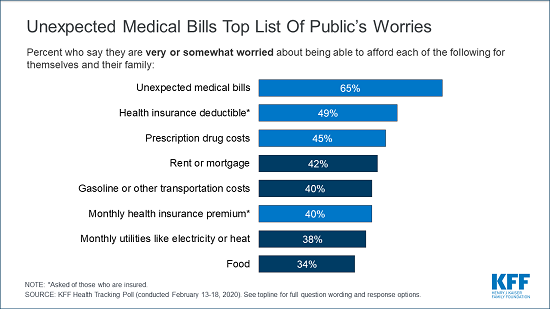
With the House action, lawmakers sought to stabilize insurance markets and prevent what many officials describe as a health care affordability crisis — particularly as political pressure grows ahead of the 2026 midterm elections.
The High-Stakes House Vote and Bipartisan Breakthrough
In what political observers called a rare rebuke of House Republican leadership, 17 GOP members voted alongside all Democrats to pass the three-year extension.
This outcome was made possible by a discharge petition — a procedural maneuver that forces a vote on a bill when leadership resists bringing it to the floor. Such petitions are uncommon and indicate deep division within a party.
House Minority Leader Hakeem Jeffries praised bipartisan cooperation, arguing the extension would protect affordable care for millions of Americans. Conversely, Republican leaders — including Speaker Mike Johnson — criticized the move as unaffordable and politically motivated.
Some GOP lawmakers who supported the extension said they did so because their constituents are facing sharply rising health costs and were unlikely to tolerate inaction. Texas Republican Rep. Monica De La Cruz, for example, said she broke with leadership to help lower costs for families in her district.
This bipartisan fracture highlights how health care affordability has become a defining issue for lawmakers in vulnerable districts, even within their own party.
Senate Next: Negotiations, Compromise, and Uncertainty
While the House successfully passed the extension, the bill now moves to the Senate — where a different political calculus awaits. A similar version of this legislation had been rejected in the Senate last year when the issue was tied to budget negotiations.
Reports from Capitol Hill indicate Senate Republicans and Democrats are working on a compromise bill that would still extend the subsidies but include reforms preferred by GOP lawmakers. These may include income caps on eligibility, expanded health savings account options, and measures to reduce fraud and overpayments.
Some Republican senators propose a two-year extension instead of the House’s three, paired with reforms aimed at curbing costs and increasing market stability. Democrats have signaled openness to compromise, but major disagreements remain — especially on how long subsidies should be extended and whether additional policy riders should be attached.
Given the 60-vote threshold required to cut off debate in the Senate, negotiations are expected to be complex and closely watched. The outcome will significantly influence health care markets and coverage decisions for millions.
Political Implications Ahead of 2026 Elections
This extension vote is not just a policy decision — it carries major political ramifications. Health care has long been a central issue for voters, and the timing of the vote places considerable pressure on lawmakers as they head into the 2026 midterm cycle.
Democrats view the extension as a win that underscores their commitment to affordable coverage — a message likely to resonate with moderate and independent voters. Republicans, meanwhile, face a difficult choice: support the extension and risk backlash from the party base, or oppose it and risk criticism for contributing to higher health costs.
Strategists from both sides say the fight over ACA subsidies could define campaign narratives nationwide, especially in swing districts where health care affordability ranks high among voter concerns.
What This Means for Health Insurance and Everyday Americans
Should the Senate ultimately pass an extension, it would provide financial relief for millions who saw insurance costs spike after subsidies expired. Renewed tax credits could dramatically lower premiums and prevent coverage losses that advocates say could otherwise reach into the millions.
However, if no extension or compromise is reached, analysts warn that health insurance could become cost-prohibitive for many families — leading to higher uninsured rates, reduced preventive care, and increased financial strain on individuals and hospitals.
For those already struggling with health costs, the stakes couldn’t be higher. Rates without subsidies can double compared to post-subsidy prices, leading some people to consider forgoing insurance entirely — a scenario that public health advocates warn could have broader consequences for community health and emergency care costs.
Looking Ahead: Congress, Compromise, and Coverage Stability
As lawmakers continue negotiating, the future of ACA subsidies hangs in the balance. The House vote represents a significant bipartisan moment, but the political battle is far from over. Senators from both parties will need to find common ground fast if they want to prevent further disruption to health insurance affordability.
Experts suggest that any final agreement will likely involve some compromise — balancing subsidy extensions with reforms aimed at improving the long-term sustainability of the health insurance marketplaces.
In the coming weeks, the Senate’s actions will be closely watched by health providers, insurers, advocacy groups, and voters — all of whom have a vested interest in ensuring access to affordable coverage.
Conclusion: A Pivotal Moment for U.S. Health Care Policy
The House’s decision to extend ACA subsidies illustrates how deeply health care affordability is affecting American politics and public life. With bipartisan support emerging in unexpected ways, the extension battle reflects both the urgency lawmakers feel to protect coverage and the deep divisions within and between parties on how best to manage health care policy.
As the Senate prepares to take up the issue, the nation waits to see if a compromise can be reached that balances political realities with the needs of millions of Americans.
Subscribe to trusted news sites like USnewsSphere.com for continuous updates.